
Ever wondered if a little lab mistake could change the world? Sometimes, a simple error turns a failed experiment into a breakthrough that reshapes our lives. Imagine a twist in the lab that leads to a life-saving cure or a brand-new tool that makes a difference. It’s a reminder that many great innovations come when things don’t go as planned. Today, we’re exploring how these unexpected errors can open new doors for research and invention.
Unanticipated Results Defined: When Science Yields Surprising Breakthroughs
Science rarely follows a straight path, and sometimes a little mistake can lead to astonishing discoveries. Researchers might aim for one result, only to stumble onto something entirely different and exciting. For example, in 1943, scientists tried to produce synthetic rubber but ended up with a sticky putty that quickly became one of America’s favorite toys. It’s amazing how unexpected errors can spark whole new avenues in research.
History is full of such surprises. In 1928, while studying bacteria, a scientist noticed that a type of mold actually stopped the bacteria from growing, a finding that eventually led to the discovery of a life-saving antibiotic (a medicine that fights infections). And back in 1856, an accident with coal byproducts created a bright purple dye that replaced the rare, snail-based Tyrian purple. These stories show that when experiments go off track, they often open the door to powerful tools and innovations that change our lives.
The real magic of these unplanned results is how they can change the direction of research and ignite new questions. When a mistake turns into a breakthrough, it challenges scientists to look at things differently and embrace the unknown. It’s a reminder that the best science sometimes happens when you’re not even looking for it.
Breakthrough Anomalies in Science: Case Studies of Unexpected Results

Sometimes, experiments take a surprising turn that changes our daily lives. Here are four stories where a little twist in the lab led to big breakthroughs.
Refrigeration’s Accidental Birth (1823)
Back in 1823, scientists were working on an experiment to liquefy gas using a glass tube filled with chlorine hydrate (a chemical mix). But instead of a smooth process, the tube suddenly cracked, releasing a small burst and an odd liquid. This unexpected event hinted at the possibilities of cooling technology, a discovery that eventually helped us keep our food fresh. Isn't it amazing how a simple break could spark such a big idea?
From Gas to Glue (1938)
In 1938, researchers were trying to find safer refrigerants by experimenting with tetrafluoroethylene gas (a gas used in making plastics). Instead of the coolant they hoped for, the gas changed into a waxy, white substance. This sticky material turned out to be cyanoacrylate, a super glue that bonds almost instantly and is used by many of us every day. It’s funny to think that an experiment meant to cool things off ended up giving us a way to stick things together!
Kitchen Revolution (1953)
In 1953, an experiment took an unexpected turn when a furnace reached 900 °C instead of its intended temperature. This extra heat triggered a reaction in photosensitive glass (glass that changes when exposed to light), turning it into a tough, milky white glass-ceramic material. This new material later became a key part of kitchen stovetops, making them stronger and safer. Imagine an overheating test leading to a safer way to cook our meals!
Bat Rescue Innovation (2012)
In 2012, scientists decided to try something unusual. They used a type of bacteria, originally intended to help keep bananas fresh, to treat bats suffering from a dangerous fungal disease. All the tested bats got better, which brought hope for protecting many more in the wild. Sometimes nature really does lend a hand with a bit of bacterial magic.
These stories show that even unexpected results in the lab can lead to transformative advances in science.
Investigative Surprise Insights: Methods Behind Unplanned Discoveries
Sometimes, science goes off track in the most surprising ways. Researchers plan carefully, but little changes, like a tiny tweak in the experiment, can open up brand-new ideas that no one saw coming.
Temperature Variations as Catalysts
In a few experiments, even a small mistake with the temperature can lead to amazing new materials. For example, a mix-up with heat settings on photo-sensitive glass unexpectedly created a super-hard glass-ceramic. This discovery later changed how stovetops were designed. It shows that the right amount (or sometimes the wrong amount) of heat can reveal hidden potential in materials.
Material Mix-Up Effects
Sometimes, using the wrong ingredient can be a blessing in disguise. A well-known case happened when a coal byproduct accidentally replaced the expected ingredient while making aniline dye. Instead of a standard result, the mixture turned into a bright pigment that changed dye chemistry forever. These surprises remind us that deviations in material mixtures can spark creative breakthroughs in the lab.
Instrumentation Sequencing Outcomes
Adjusting how experiments are tracked can also lead to unexpected answers. Take, for instance, a famous study where researchers used a new type of camera setup. This change helped them correctly measure animal movements that had puzzled scientists for years. That new way of looking at things not only solved a long-standing mystery but also inspired the early days of motion picture research. It seems that even small changes in the way we record experiments can pave the way for whole new fields of study.
All these unexpected twists show that sometimes, a little mistake can light the way to discoveries that transform entire areas of science.
Unanticipated Outcome Implications: Shaping Future Research Directions
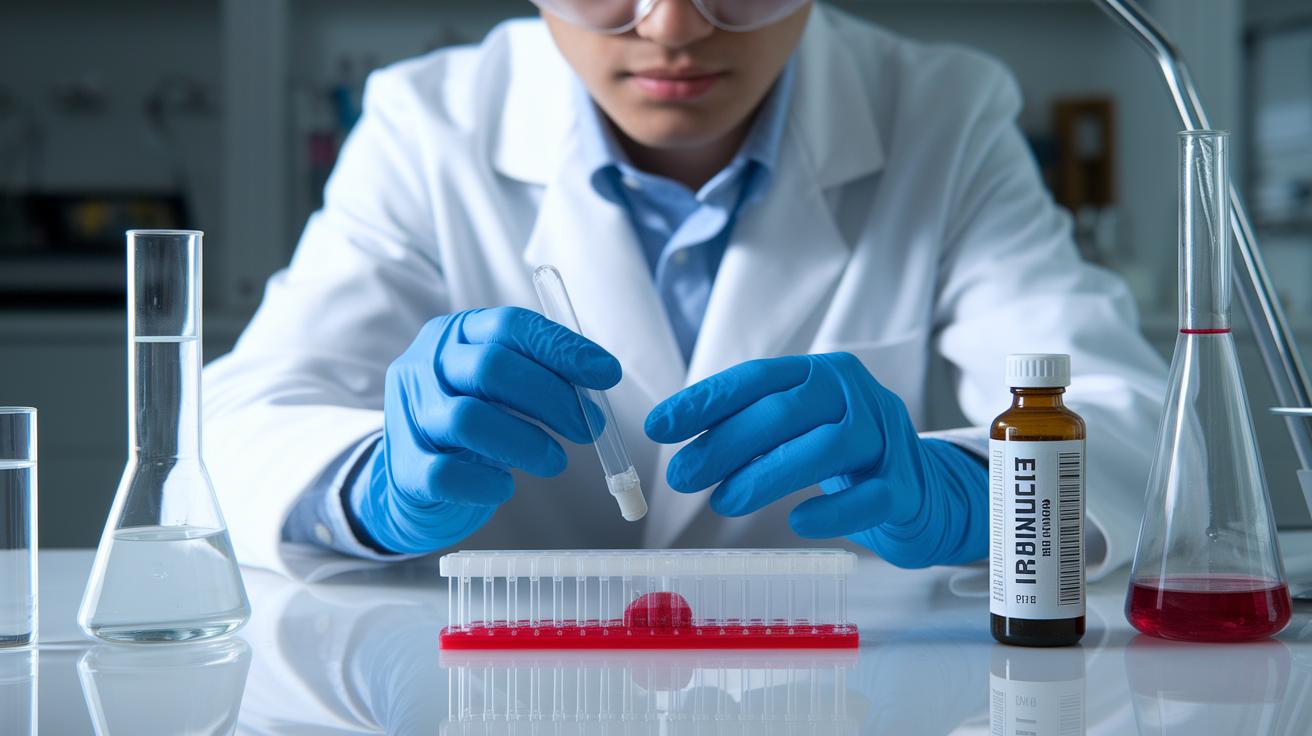
Surprise discoveries are sparking all-new ways to do research, pushing us beyond just rehashing old breakthroughs. Scientists are now trying out step-by-step experiments (that means testing, checking results, and making changes as they go) and using computer simulations to study things we haven’t explored before. Take the penicillin breakthrough, for example, its lessons now help shape flexible testing in medicine. Imagine running small, evolving tests in real time, much like tweaking a recipe as you cook.
| Discovery | Field Impact | Scale or Lives Affected |
|---|---|---|
| Penicillin | Led to new, flexible testing methods in antibiotic research | About 200 million lives improved |
| Kerosene Production | Started energy studies that now push sustainable practices | Global environmental benefits |
| Contour-Line Mapping | Helped set the stage for modern mapping technology | More accurate maps worldwide |
| Nonstick Cookware | Inspired advanced work on surfaces in material science | Big changes in everyday home tech |
| Super Glue | Opened up new ideas for strong, safe adhesives | Wide-ranging effects across many industries |
Now, unexpected results act as springboards for fresh research methods. They encourage scientists to try out new ideas dynamically, breaking old patterns and opening up exciting, uncharted paths in experimentation.
Serendipity in Research: Embracing Unforeseen Scientific Outcomes
Sometimes, a random event in science can open the door to amazing new ideas that change how we work and think. Imagine setting up an experiment only to have a tool slightly out of place reveal a hidden trait in a regular substance. This little mistake led to fresh ways to measure small changes very carefully (that is, scientists learned to track tiny shifts with new techniques). One researcher even said, "We once saw an unexpected glow in a sample during an experiment, and that surprise taught us new things about how living things glow naturally." It's a clear sign that unexpected events can completely change the game.
These surprise moments often push scientists to change their routine plans. For instance, one researcher noticed an odd pattern when plotting data in a routine experiment, and that odd shape inspired a new computer method to check health information better (in other words, a fresh way to study how healthy we are). Such discoveries encourage labs to look at every odd finding as a chance to try something new, leading teams to be more open to experimenting and finding better answers.
On a personal level, those random breaks in research can even bring scientists closer together. At meetings or casual chats, many share stories of when a simple mistake turned into a celebrated discovery, sparking both smiles and wonder. These shared stories remind everyone that science is not just about perfect experiments, but also about the human side of making mistakes and learning from them.
Navigating Unanticipated Results: Strategies for Researchers
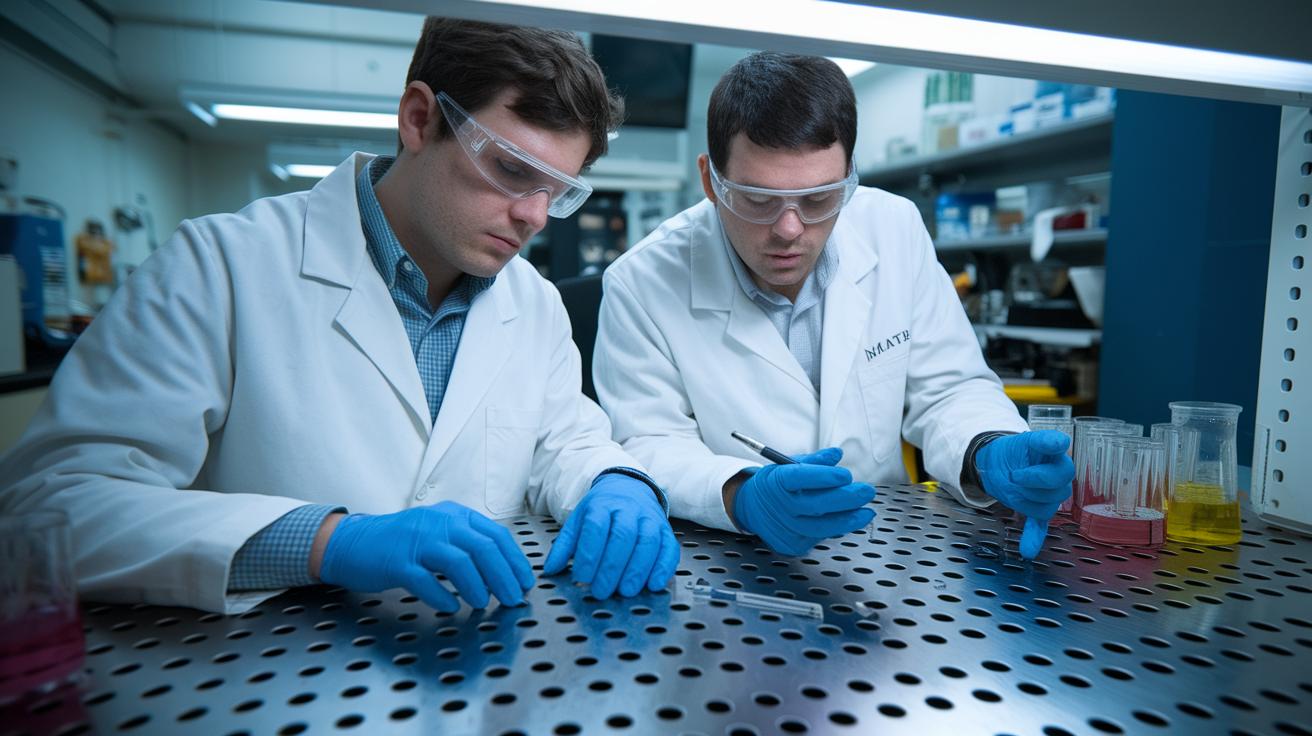
Researchers can turn unexpected findings into valuable clues by carefully jotting down every odd detail and using flexible experiment methods. When things don’t go as planned, even tiny anomalies can point to hidden patterns that might otherwise be missed. Regularly rechecking the data helps shed light on how small shifts in an experiment can spark new ideas about a hypothesis. This hands-on approach lets scientists adjust their work on the fly, turning surprises into stepping stones for better discoveries.
A practical tip is to bring together experts from different fields to review odd results. This kind of teamwork can uncover unseen links between irregularities and larger scientific trends. Regular group discussions create a space where unexpected outcomes aren’t ignored but instead explored and improved upon. Keeping an open mind about every observation means that each one can help refine experimental techniques, ultimately boosting the potential for breakthrough innovations.
Final Words
In the action, this article explored how science surprises breakthroughs through experiments that led to unanticipated results. The discussion showcased real-life examples from refrigeration's accidental birth to innovations in bat health. It also unraveled the methods researchers use to spot unexpected patterns and how these outcomes shape future work.
By sharing these insights, we can appreciate that a little twist or error might just spark the next big discovery. Keep an open mind and enjoy what comes next.
FAQ
Funny stories of scientific discoveries
Funny stories of scientific discoveries often highlight unexpected mishaps that lead to remarkable breakthroughs. For instance, scientists sometimes stumble upon innovations during experiments that don’t go as planned, reminding us that humor can be found in science.
What is an unexpected result in an experiment?
An unexpected result in an experiment refers to a surprising outcome that wasn’t part of the original plan. These findings often prompt researchers to explore new directions and improve their understanding of a subject.
What is an accidental discovery in science?
An accidental discovery in science means that a breakthrough is found by chance rather than through targeted research. Such surprises can redirect research efforts and lead to life-changing innovations.
What is an accidental discovery called?
An accidental discovery is often described as serendipity in research. This term highlights how chance plays a role in uncovering innovative solutions and reshaping our scientific outlook.
What is the most surprising scientific discovery?
The most surprising scientific discovery can vary, but many point to penicillin—a chance find that transformed medicine and saved millions of lives—as a prime example of how unexpected results can yield monumental benefits.
Can you provide a serendipitous discovery example?
A classic serendipitous discovery example is penicillin from a contaminated petri dish. This chance observation revolutionized medical treatments, showing how accidental events can lead to breakthrough advancements in science.

