
Have you ever wondered if your gadget on your wrist can do more than just count your steps? Wearable technology is moving at lightning speed, and smart rings and glasses are now grabbing our attention. The newest smartwatches can check your health in real time with sensors that even measure your blood oxygen (the amount of oxygen in your blood). This means your device can offer you immediate, personalized information about how you're doing. In this article, we look at the fresh trends that are set to change our everyday lives in exciting new ways.
Current Wearable Tech Market Overview
The global wearables market is picking up speed, with experts expecting big changes by 2025. New tech like artificial intelligence (smart programs that learn and make decisions), improved connectivity, and advanced ways to track health and fitness are driving this change. Imagine your smartwatch not only counting your steps but also giving you a personalized health score right then and there. That kind of upgrade is bound to excite people all over.
New gadgets like smartglasses and smart rings are joining the scene and drawing attention away from the old fitness bands. Different regions have their own needs, so companies are tailoring their strategies. While traditional fitness bands might see fewer new users, the sleek design and powerful sensors of smart rings and glasses are really catching eyes.
Key factors in this growth are better sensor technology and the ability to offer real-time health data. This means that before long, wearables will do a lot more than just track your daily steps. Continuous investments in research and development are fueling a competitive environment where new, innovative products appear quickly.
If you’re curious to dive deeper into this rapidly evolving field, be sure to check out the foundational overview at wearable technology.
| Segment | Key Feature |
|---|---|
| Smartbands | Basic activity tracking |
| Smart Rings & Glasses | Advanced sensor integration |
Emerging Smartwatch Innovations in Wearable Tech Trends
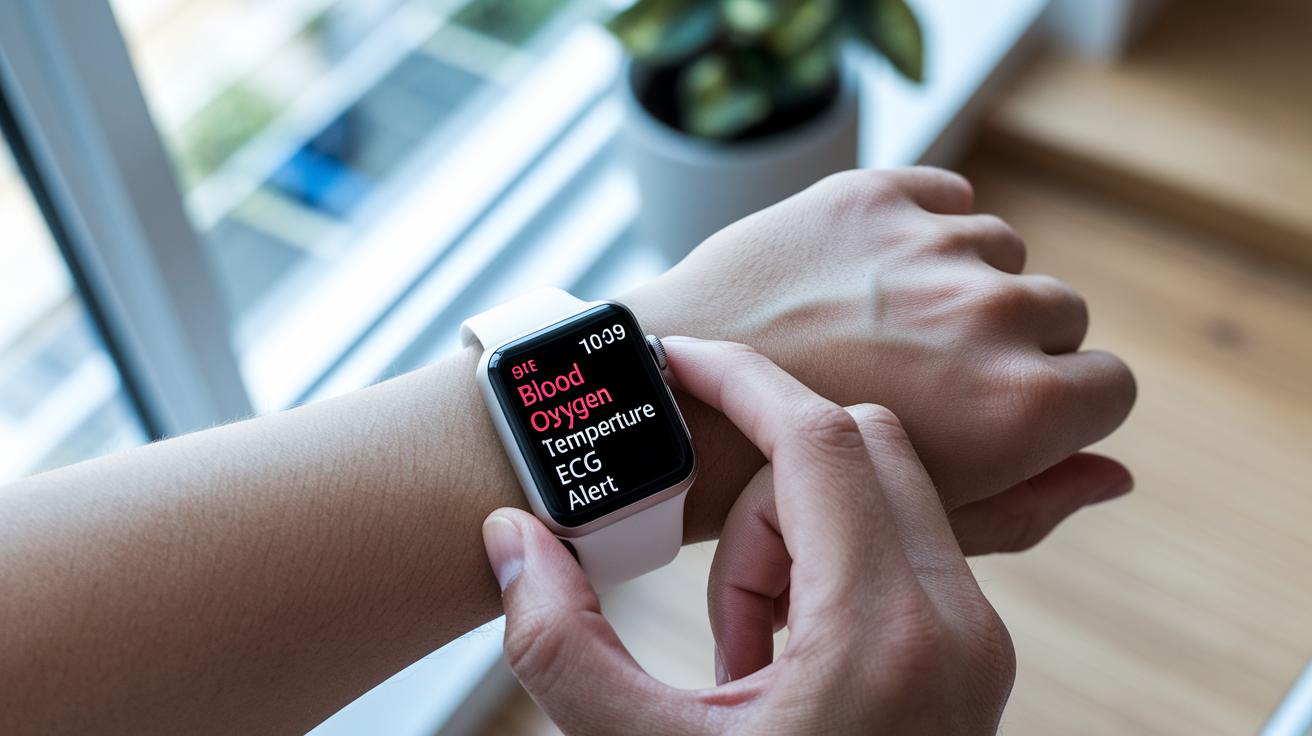
Smartwatches like the Apple Watch Series 10 and Ultra 2 are changing the game. They now come with cool sensors that check your blood oxygen levels, measure your body temperature (which helps track your cycles), and even notice if you fall or crash. They include FDA-approved ECG features, which means your watch can act like a tiny heart monitor. Imagine your watch alerting you to take a break when it picks up a sudden change in your body temperature. It’s wild to think that before these modern smartwatches, you wouldn’t know if a small fall could be dangerous. Now, your watch becomes your guardian, ready to give you a heads-up right when needed.
Generative AI is taking these gadgets to the next level. By using smart sensors with live data analysis, your watch morphs into a personal health buddy. And with the help of virtual assistants that chat with you, the device can offer custom health tips and a personalized score for your wellness. It’s a bit like having your own health coach right on your wrist.
Looking forward, things are set to get even better. With new ideas and technologies pushing the market forward, smartwatches are likely to become even smarter and more adaptable. We can expect these little devices to fit perfectly into our daily routines, supporting our health and wellness in ways we can only imagine.
Advances in Fitness Trackers and Health Monitoring Trends
Fitness trackers are not just step counters anymore. They’ve turned into handy health buddies that monitor your heart rate, count calories, and check your sleep quality. Imagine your wrist gently telling you, "Hey, your heart rate just spiked, maybe take a moment to relax." That kind of feedback really helps when you’re trying to live a healthier life.
Modern devices like the Fitbit Charge series and some Garmin models come packed with cool features, such as rugged GPS, mobile notifications, and even the ability to make small payments. It’s like having a compact digital assistant with you all the time, nudging you to move and even managing little tasks for you. Have you ever thought about how amazing it is that in 2019, one runner credited their new training routine to their tracker’s alert about an abnormal heart rhythm? That’s the real-world impact these tools can have.
Plus, subscription-based services like Whoop’s analytics give you deep details about your recovery, strain, and sleep patterns. This means you know exactly when to rest or when to push yourself a bit further. With smart sensors and data analysis, these gadgets give you a clear picture of your overall health. They really encourage you to take control of your everyday wellness.
The beauty of today’s fitness trackers is that there’s something for everyone, whether you’re a seasoned athlete or just starting out. They bring high-level health monitoring into everyday life and make it easy to stay on top of your game.
Smart Jewelry and Implantable Wearable Tech Trends
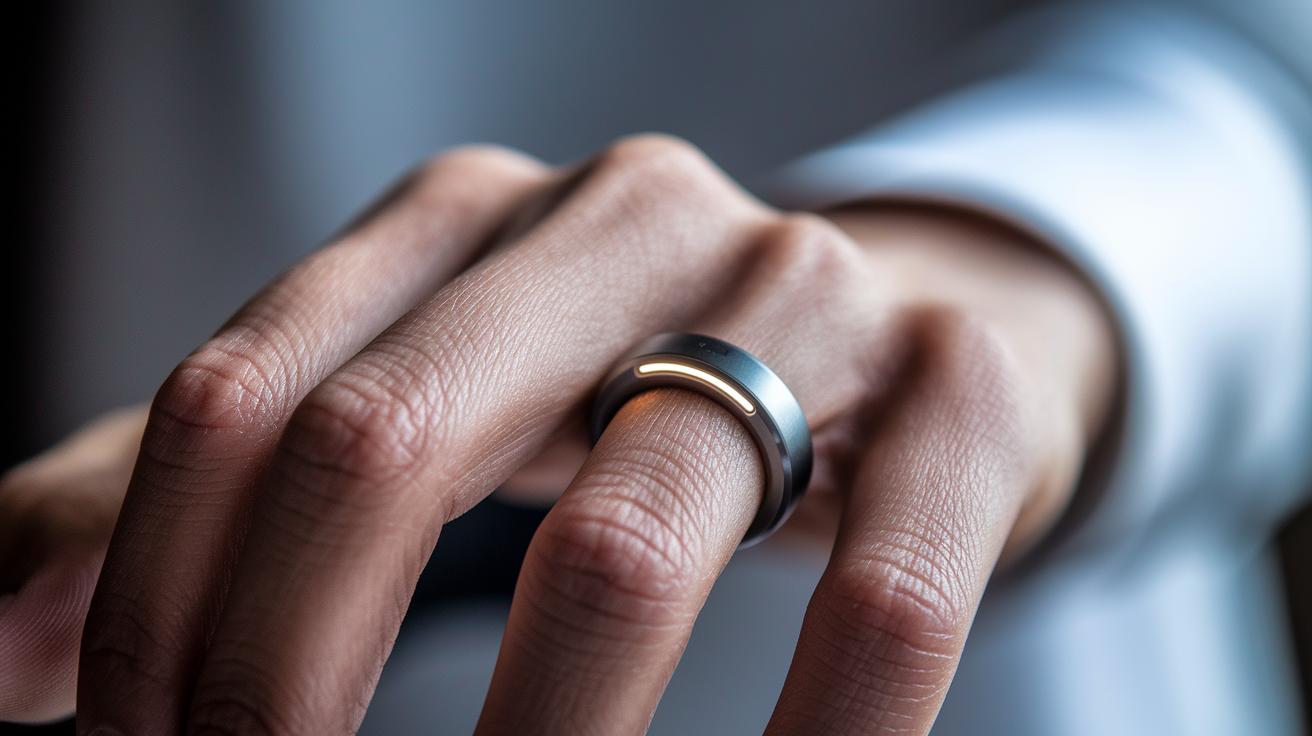
Smart rings like Oura and the soon-to-arrive Samsung Galaxy Ring are set to change the game for tracking your health without making it feel intrusive. These rings pack essential sleep and recovery details into a sleek accessory that you might even forget you're wearing. Picture this: a ring that quietly monitors your sleep patterns while looking as elegant as any piece of jewelry.
Implantable devices are also stepping up. They’re no longer just simple chips for payments or door access. Now, they’re venturing into advanced brain-computer interfaces (systems that let your brain send signals to a computer) that could help spot everyday health issues. Imagine a tiny implant giving you a soft alert on your phone if it picks up an irregular heartbeat. It’s like having a gentle health guardian inside you.
New innovators like Ultrahuman are raising the bar by creating sensor-integrated designs that are both accurate and nearly invisible. These smart tools aim to seamlessly blend into your daily routine, offering personalized health insights without disrupting your lifestyle.
In the end, whether it’s smart jewelry or implantable tech, the future is all about merging style with smart functionality. It’s exciting to see how these innovations are reshaping the way we look after our health, making technology both beautiful and beneficial.
Textile-Embedded Electronics and Smart Clothing Trends
Sensor-filled clothes have left the lab and joined our daily lives, making our outfits smarter and more in tune with our health. Smart shirts now come with tiny sensors (small tools that check your heart and breathing) that keep track of how you're doing in real time. Imagine wearing a shirt that buzzes gently when it notices your breathing change during a workout, giving you a little nudge to adjust your pace.
These innovations aren’t just cool, they can also be life-changing. Think about smart socks that watch for early signs of foot issues in people with diabetes. With their built-in sensors, these socks can spot small changes in your skin and warn you before something serious develops.
In sports, even compression gear is getting a tech boost. Modern compression wear uses smart fabrics that measure muscle effort, helping athletes know when they might be overdoing it and risk hurting themselves.
Today, sensors woven into fabric allow us to monitor our health around the clock. As these technologies get better, you might soon find that your everyday clothes are a silent, reliable partner in keeping you healthy and strong.
Head-Mounted Displays and Spatial Computing in Wearable Tech Trends
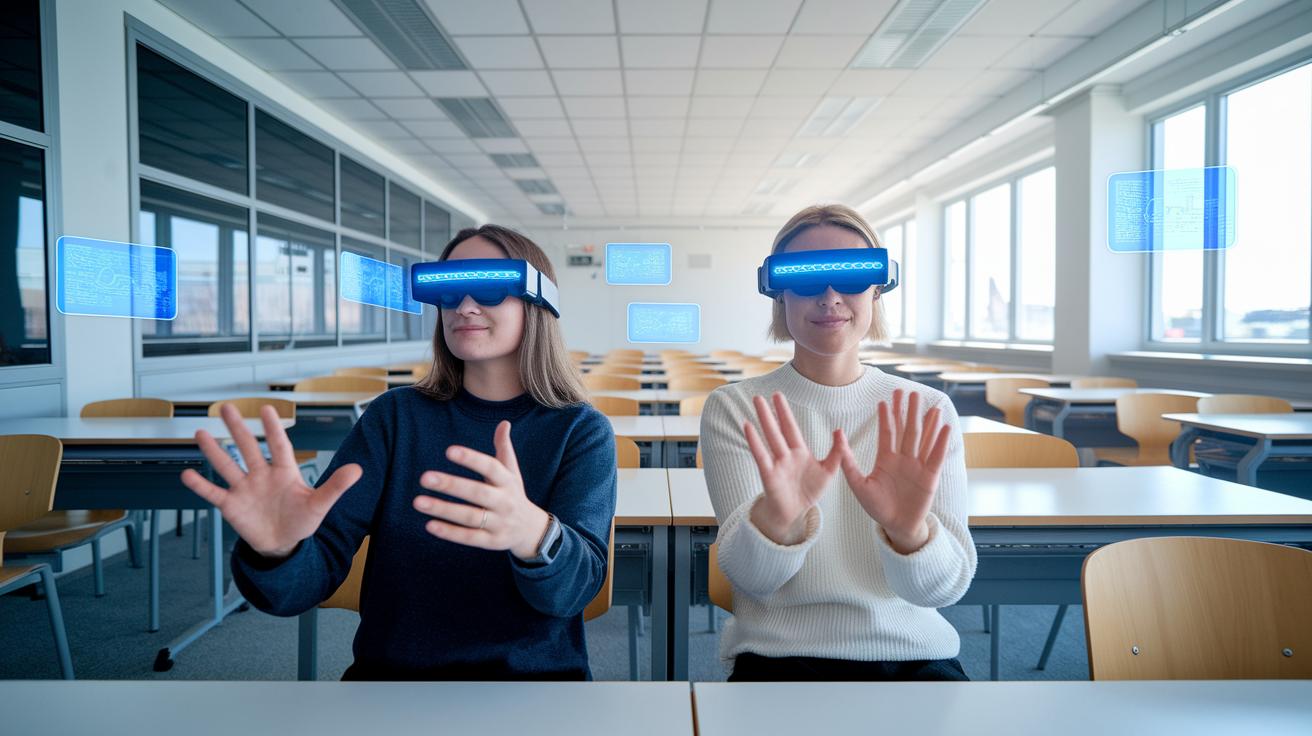
Imagine stepping into a room where digital objects seem as real as the ones you can touch. Devices like the Apple Vision Pro blend virtual reality (VR, which creates a completely digital space), augmented reality (AR, which adds digital images to the real world), 3D movement, and spatial sound (audio that feels like it's coming from a place around you). It’s like living in a scene straight out of your favorite sci-fi movie, but now it’s part of your everyday life.
These head-mounted displays mix the real world with digital elements. They’re not just for fun; schools and workplaces are using them too. Picture a classroom where students explore 3D models that hover in the air, or a design team that reviews virtual prototypes during a meeting. It’s a new way to learn and work that makes complex ideas easier to see and understand.
By combining real-time data, lively visuals, and immersive audio, these gadgets let us interact with digital content as naturally as picking up a book. This new tech is paving the way for exciting digital experiences in both everyday life and professional settings. Isn’t it cool how technology makes our world more interactive?
AI and Machine Learning Integration in Wearable Tech Trends
Machine learning in wearable devices is much more than just tracking steps. These smart systems have to deal with small batteries and limited processing power. For example, one test showed that a tiny predictive model only used an extra 10% of battery over a full day. In a recent study, wearables with optimized algorithms picked up subtle changes in motion with 95% accuracy, pretty impressive, right?
New improvements in algorithms help manage the tricky data from sensors. Small convolutional models (little tools that recognize patterns) now work faster and more accurately. They cut down on mistakes and let devices process information almost instantly. When updating your algorithms, it can be useful to compare the new version with the old one to see real improvements in accuracy.
Security is a top priority too. Since wearables handle personal data, they now include on-device encryption (a way to keep your data safe) and privacy-focused analytics. Some systems even process your data securely without sending any raw information off the device.
One case study showed a wearable that monitored voice tone and movement to spot early signs of stress, alerting users in real time. This example proves that AI and machine learning in wearables aren’t just for basic health tracking, they also solve tough technical challenges and boost security with smart, innovative solutions.
Connectivity, Security, and Privacy Challenges in Wearable Tech Trends

Wearable devices gather lots of your personal data and share it with other smart gadgets. To keep your information safe, companies use strong encryption (methods that scramble data so only the right devices can read it) and secure ways to send information. Think of it like a secret handshake between your smartwatch and your phone that stops anyone else from understanding their conversation.
Balancing smooth data sharing with solid privacy rules is a tricky task. Devices need to work well together while protecting your private details. And as more wearables connect to the growing world of IoT (Internet of Things) gadgets, they must follow strict privacy guidelines and ethical practices to fend off cyber threats.
Here are some key security steps being developed:
- Tough on-device encryption that blocks unauthorized access.
- Safe transmission methods ensuring data moves securely from one device to another.
- Regular checks to keep privacy standards high.
Engineers are also focused on making sure devices can work together across different systems. This means your gadgets can share information seamlessly without exposing sensitive details. Imagine your fitness tracker alerting you if it notices unusual data traffic, it keeps you informed and secure. All these efforts are making wearables smarter and safer to meet today’s high demands for data security and privacy.
Future Forecast: What’s Next for Wearable Tech Trends
Over the next few years, wearable devices are going to weave even more deeply into our daily lives. By 2025 and beyond, these gadgets will blend into our routines with features that improve our health, offer personal insights, and even work across different jobs. Think smartglasses, rings, and health monitors that not only track how you’re doing but also give you friendly advice when you need it.
Experts say that these devices will soon adjust to our unique lifestyles. Imagine a ring that quietly lets you know when your sleep isn’t as restful, or smartglasses that display workout tips right in your view. The trend is heading toward tools that learn from your habits and deliver custom advice just for you.
Manufacturers are also keeping an eye on concerns like distractions and keeping your personal data safe. They’re putting a lot of effort into safer ways of transmitting information and stronger on-device protections so that you can trust your wearable without worry. Different regions might even see special features as companies tweak devices to match local needs.
Analysts expect the market to keep growing, fueled by major innovations in health tech and smart gear. Before long, our devices will be even more interactive, focused on our well-being, and smart enough to help guide us through each day.
These game-changing gadgets promise to transform how we live, work, and play. Isn't it exciting?
Final Words
In the action of exploring wearable tech trends, the post brings us through today's market shifts, smartwatches evolving with more precise sensors, fitness monitors offering deeper insights, and smart jewelry and clothing paving the way for continuous health tracking. Advances in head-mounted displays and AI integration promise devices that help us stay connected and informed securely. Every section highlighted exciting moves in the space, painting a picture of a vibrant future. The outlook for wearable tech trends remains upbeat, giving us plenty to look forward to.
FAQ
Frequently Asked Questions
What are the key wearable tech trends in 2023 and what types exist for the future?
The key wearable tech trends in 2023 feature devices such as smartwatches, smart rings, fitness trackers, and smart clothing. Future wearables will combine AI and enhanced sensors to offer personalized health insights and improved connectivity.
What are examples of wearable technology, including options with detailed visuals?
Examples of wearable technology include smartwatches, fitness bands, smart rings, and sensor-embedded apparel. Many resources include pictures to help users understand how these devices support health tracking and connected lifestyles.
What does the future hold for wearable technology in healthcare and what examples illustrate this trend?
The future of healthcare wearables points to devices that track vital signs, sleep quality, and activity levels. Examples include advanced smartwatches and clinical-grade fitness trackers that offer real-time health data and personalized medical insights.

