
Have you ever wondered if there’s really a limit when engineers push what we think is possible? At Lockheed Martin, their aerospace team mixes clever research with hands-on projects to spark fresh ideas. They create fighter jets that can change direction quickly and develop space systems that are smarter every day.
This team works hard to keep our skies safe and make missions more reliable. Their hands-on work combined with global research helps reshape how we fly and explore our world. It’s really exciting to see technology change the way we protect our planet.
Lockheed Martin’s Aerospace Engineering Impact Worldwide
Lockheed Martin is a global leader in aerospace engineering that pushes new technology to spark progress everywhere. They invest in research and development around the world, from Latin America and New Zealand to the Republic of Korea, Saudi Arabia, the UAE, the UK, and the US, to build a strong, versatile network.
Their work covers everything from fixed-wing aircraft and helicopters (rotary-wing systems) to space systems and cyber capabilities. They also support training programs and projects that help keep our world safe and secure. It’s impressive how they blend high-tech research with practical projects that make our skies safer and our missions more reliable.
At its core, Lockheed Martin mixes advanced research with real-world uses. If you’re wondering what aerospace engineering is all about, check out this clear explanation: what is aerospace engineering. They’re continuously improving how we build stronger materials and smarter digital controls, ensuring safer flights and more secure space missions.
Teamwork is key here. Experts work closely together to turn emerging technologies into everyday solutions that boost economies and protect communities. One engineer once said, “Seeing the early designs take shape makes you feel like you’re sketching the future with every line drawn.” It’s this hands-on, collaborative spirit that brings cutting-edge science down to earth.
Aeronautics Design Innovation at Lockheed Martin
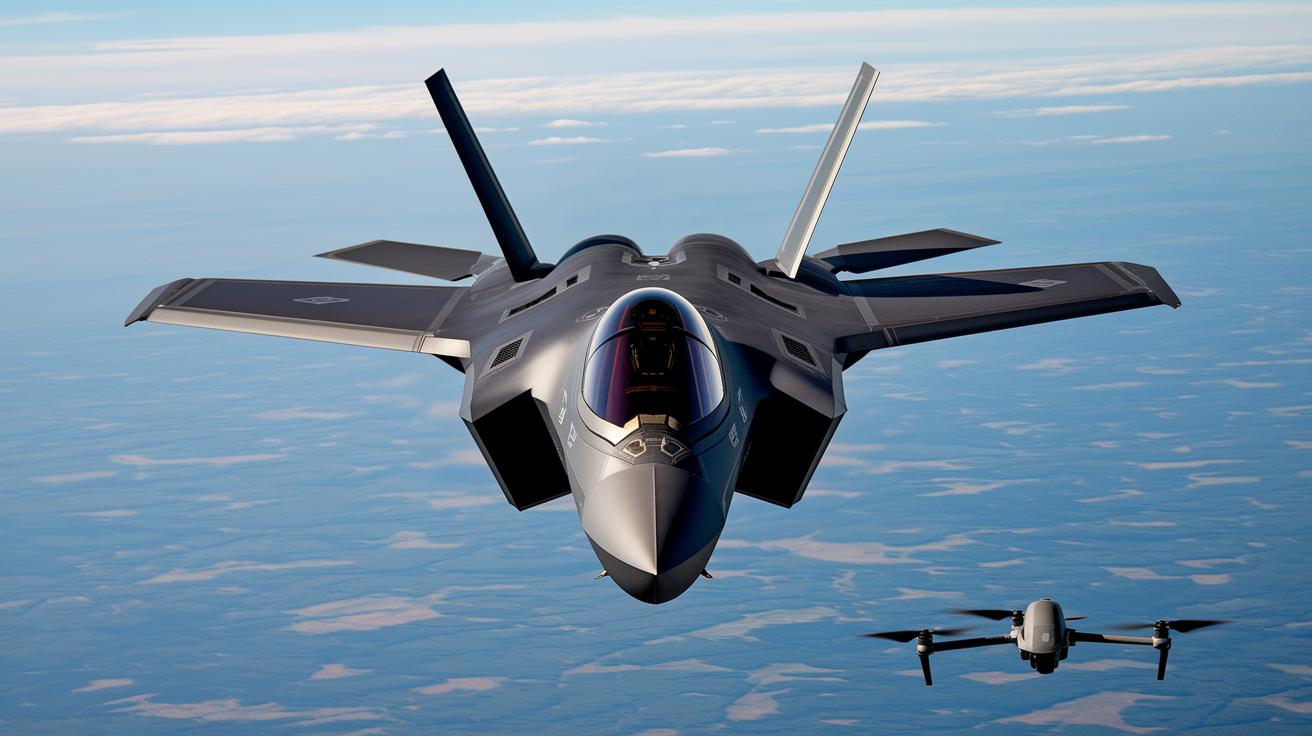
Lockheed Martin’s aeronautics team is known for pushing the limits in airplane design. They build some of the most advanced aircraft around. Take the F-35 Lightning II, for example, it has smart stealth features that help it avoid detection and move with impressive agility. They’re also working on unmanned systems that are raising the bar for future flight. These innovations use next-generation propulsion (better engines that move the plane) and advanced materials (strong, lightweight substances), along with detection-avoidance systems that help keep them off an enemy’s radar.
Every project is a step forward in transforming our defense technology. The engineers and designers fine-tune every detail to make sure each design can respond quickly and perform exactly as needed. It’s almost like watching the future unfold on a sketchpad, you can feel the excitement building as new ideas come to life.
This strong drive to transform defense technology doesn’t just turn ideas into real products; it also makes our nation safer and prepares us for tomorrow’s innovations. Lockheed Martin blends cutting-edge research with practical engineering, pushing the boundaries of aerospace innovation every single day.
Career Paths in Aerospace Engineering at Lockheed Martin
Lockheed Martin has lots of jobs perfect for anyone excited about the future of flight. They’re on the lookout for fresh minds and creative problem solvers, whether you’re a budding engineer, a trained technician, or a project manager ready for a new adventure. Keep in mind that many of these roles need a Secret or Top Secret security check, so you must meet high standards of trust and professionalism.
Students and new grads can dive into internships and apprenticeships that offer real, hands-on experience with research and design. It’s a chance to work side-by-side with experts on actual projects and see how aerospace research takes shape. These programs often team up with schools to give you a real taste of what it’s like to work in this field. For more details, check out the aerospace engineering courses here: aerospace engineering courses.
Entry-level roles are available in several exciting areas, such as:
- Systems integration (mixing different tech parts into one smooth-working system)
- Propulsion (building the engines that get aircraft moving)
- Structures (designing and testing the parts that keep planes safe in flight)
- Digital engineering (using computer models to plan and simulate smart designs)
As you grow in your career, Lockheed Martin also offers great opportunities for graduates and co-op participants. These roles focus on digital upgrades and eco-friendly engineering innovations, making them a perfect fit if you’re aiming for a technical role in today’s advanced defense sectors.
Every career path at Lockheed Martin is meant to help you learn by doing and continue to grow professionally. With a strong focus on teamwork and learning from one another, you’ll be set to tackle big projects. It’s a rewarding career that challenges you while making a real impact on modern aerospace innovation.
Lockheed Martin’s Advanced Aerospace Research Sites and Projects

Lockheed Martin has several advanced facilities across the United States that show how research and production go hand in hand in aeronautics. At every site, real-world work meets cutting-edge research to keep innovation alive. They work on everything from improving propulsion systems (the parts that help aircraft move) to exploring fresh ideas in defense system design.
Below is a table highlighting six key U.S. facilities, their main focus areas, and standout projects:
| Facility | Focus Area | Flagship Project |
|---|---|---|
| Fort Worth, Texas | Integrated aeronautics operations | F-35 Lightning II development and production |
| Palmdale, California | Skunk Works® advanced development; systems integration in aeronautics | Renewable energy projects |
| Marietta, Georgia | Aerospace engineering for defense and humanitarian missions | Advanced aircraft projects |
| Greenville, South Carolina | Lifecycle support with systems integration in aeronautics | F-16 fleet maintenance |
| Pinellas Park, Florida | Precise integrated aeronautics operations | F-35 assembly operations |
| NAS Pax River, Maryland | Stealth aircraft research involving systems integration in aeronautics | F-35 production |
Fort Worth acts as a lively hub where the blend of research and production brings the F-35 to life. Over in Palmdale, the focus is on integrating systems to boost innovative renewable energy projects. And in Greenville, experts work hard to ensure smooth support for the F-16 fleet. Each facility brings its own special set of skills to the table, moving projects forward and shaking up the world of aerospace.
Future Directions in Aerospace Engineering at Lockheed Martin
Lockheed Martin is taking aerospace engineering in bold new directions. They mix smart AI design tools with digital twins (virtual models that act like real systems) to explore fresh ideas. They also use additive manufacturing (a kind of 3D printing) and sustainable materials to build parts that are both lighter and stronger. And with research into hypersonics (really high speeds), space exploration vehicles, and cyber-powered mission systems, they're driving breakthroughs in defense technology.
Engineers are embracing a digital shift that lets them design and test ideas on computers before building anything. This not only makes their work safer but also speeds up progress. For example, Lockheed Martin is linking ground operations with space missions through strong, multi-domain networks, opening up a world of technical opportunities.
Experts from many fields work together, pushing the limits of modern design. This approach is not only boosting aeronautical engineering but also sparking new innovations in defense. With a focus on smarter, greener machines, Lockheed Martin keeps investing in research and development. These exciting changes are creating fresh roles and skills for new engineers, inspiring them to shape the future of aerospace.
Final Words
In the action, you've seen how aerospace engineering lockheed martin drives global research, breakthrough design, and exciting career paths. The post highlighted key U.S. sites, innovative aeronautics programs, and upcoming research trends that blend technology with real-world impact.
We hope the insights spark curiosity and meaningful conversations about science and innovation. Stay motivated and keep exploring the wonders of aerospace engineering lockheed martin with a fresh, informed perspective.
FAQ
What is the aerospace engineering salary at Lockheed Martin?
The aerospace engineering salary at Lockheed Martin depends on your role, experience, and security clearance. Entry-level positions start with competitive pay, while advanced roles offer higher packages within the defense industry.
What aerospace engineering jobs and careers does Lockheed Martin offer?
The aerospace engineering jobs and careers at Lockheed Martin range from hands-on research and design roles to project management and systems integration, including internships for students and recent graduates.
What is the Lockheed Martin aerospace engineering address?
The Lockheed Martin aerospace engineering operations take place at several U.S. facilities like Fort Worth, Palmdale, and Marietta, where specialized projects and advanced aircraft design are handled.
What do Lockheed Martin Aeronautics jobs involve?
Lockheed Martin Aeronautics jobs focus on designing advanced aircraft like the F-35 Lightning II, requiring skills in high-performance vehicle development, stealth technologies, and system integration.
What is offered through the Lockheed Martin Aerospace Engineer Internship?
The Lockheed Martin Aerospace Engineer Internship provides real-world research and design experience for students and recent graduates, often including necessary security clearances for working on defense projects.
Who owns Lockheed Martin?
Lockheed Martin is publicly owned and traded, meaning no single person controls it. Instead, its operations are managed by a board of directors and guided by its shareholders.
Do aerospace engineers really make 800k a year at Lockheed Martin?
The claim that aerospace engineers make 800k a year is not typical. Salaries vary based on role, skill level, and experience, and while competitive, they generally fall below that figure.
Who are considered the big 5 in aerospace?
The big 5 in aerospace include leading defense contractors such as Lockheed Martin, Boeing, Northrop Grumman, Raytheon Technologies, and General Dynamics, all recognized for their industry impact.