
Have you noticed how the seasons just don't feel the same lately? Climate change is more than one hot day or a chilly night. It's like nature slowly shifting over many years. When we burn coal or cut down forests, we add extra gases to the air that trap heat. It’s a bit like watching a movie unfold slowly, the small details add up to a big change. In this post, we'll take a closer look at how our everyday actions are quietly reshaping the world we call home.
what is climate change: Bright Insights
Climate change is all about long-term shifts in the Earth's average temperature and rainfall. It’s not just about what you feel on a sunny day or a rainy afternoon but the slow, steady changes that build up over decades. Imagine watching a slow movie instead of flipping through a comic book.
Since before the Industrial Revolution, the Earth's temperature has gone up by about 1.09°C. Most of that increase, around 1.07°C, comes from human activities. When we burn fossil fuels like coal, oil, and gas, or clear forests for farming, we pump more CO2 (a gas that traps heat in our atmosphere) into the air. In fact, CO2 levels have jumped by 50% compared to the days before these activities began. Before we had steam engines and all that industry, our planet was much cooler. Now, even a small bump in temperature tells the story of major changes driven by our everyday actions.
Even though the Earth has naturally changed over millions of years, the warming we see now is happening at a much faster pace. Weather may flip from hot to cold, but climate is the big picture, a slow and powerful record of change that scientists keep a close eye on.
Drivers Behind Rising Earth Temperatures
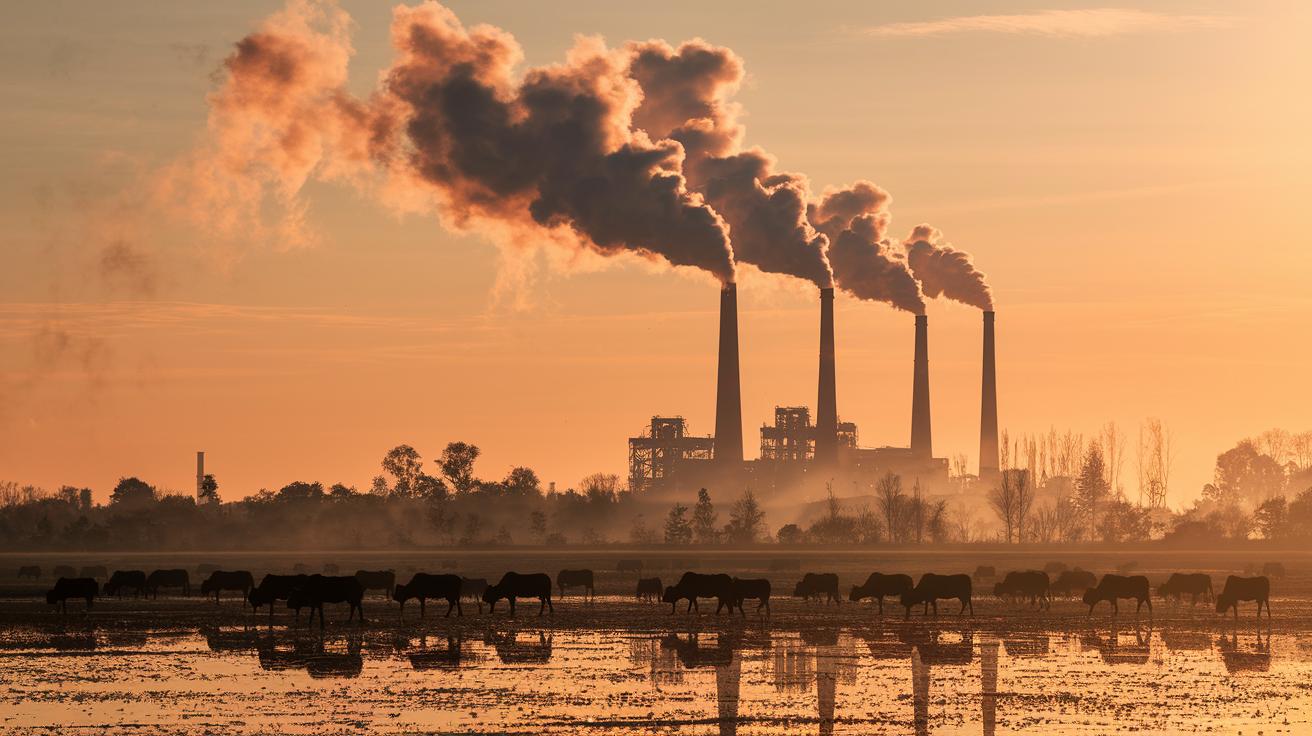
Our planet is heating up faster than it ever has before, and it’s mostly because of what we do rather than natural events. Sure, volcanoes and the sun play a role, but burning fossil fuels, farming, cutting down forests, and losing wetlands have a much bigger effect. These actions pump a lot of greenhouse gases into the air, trapping heat and warming our home.
When we burn coal, oil, and natural gas, we release carbon dioxide. Farming and livestock produce methane, and other farming practices add nitrous oxide. Industrial apps also use fluorinated gases, and as the planet warms, water vapor increases which only adds more heat.
Here are the main contributors:
- Carbon dioxide from burning fuels
- Methane from agriculture and livestock
- Nitrous oxide from various farming practices
- Fluorinated gases from industrial uses
- Water vapor that rises with the temperature
Cutting down trees plays a huge role too. When we clear forests for farms or new developments, we release carbon dioxide that was stored in those trees and reduce nature’s capacity to absorb it. Moreover, losing wetlands takes away one of Earth’s natural cleaning systems. While natural shifts like solar changes or volcanic eruptions do influence temperatures a bit, their impact is small compared to the greenhouse gases we add every day.
It’s pretty eye-opening to see how our actions outweigh nature’s influence. This clear difference reminds us that we need to rethink how we interact with our environment.
Measuring and Documenting Climate Shifts
Scientists have been tracking our planet's temperature for more than 150 years. They use tools like thermometers and satellites, plus nature's own records such as ice cores, sediment layers, and tree rings (the growth rings in trees that show past weather changes). All these pieces of evidence come together to show how the Earth is getting warmer. In fact, the data tells us that the average global temperature has increased by about 1.09 °C since the time before large-scale industries began. This clear record helps us understand how our climate is changing.
Researchers compare today’s temperature readings with old records by doing careful statistical checks (methods that help make sense of lots of numbers). They look at changes over many years and use different techniques to figure out how human actions have played a role. It’s a lot like solving a big puzzle where every piece matters.
Their detailed work not only shows why extra greenhouse gases (heat-trapping gases) are important, but it also gives us a starting point for making rules like those in the Paris Agreement to protect our climate. By fine-tuning their calculations, scientists give us solid evidence that can lead to smarter steps for lowering our impact on climate change and helping leaders make good decisions.
Each new measurement adds an important detail to the big picture of our warming planet. It’s amazing how every bit of data helps us understand our changing world a little better.
Ecological and Societal Impacts of Climate Change
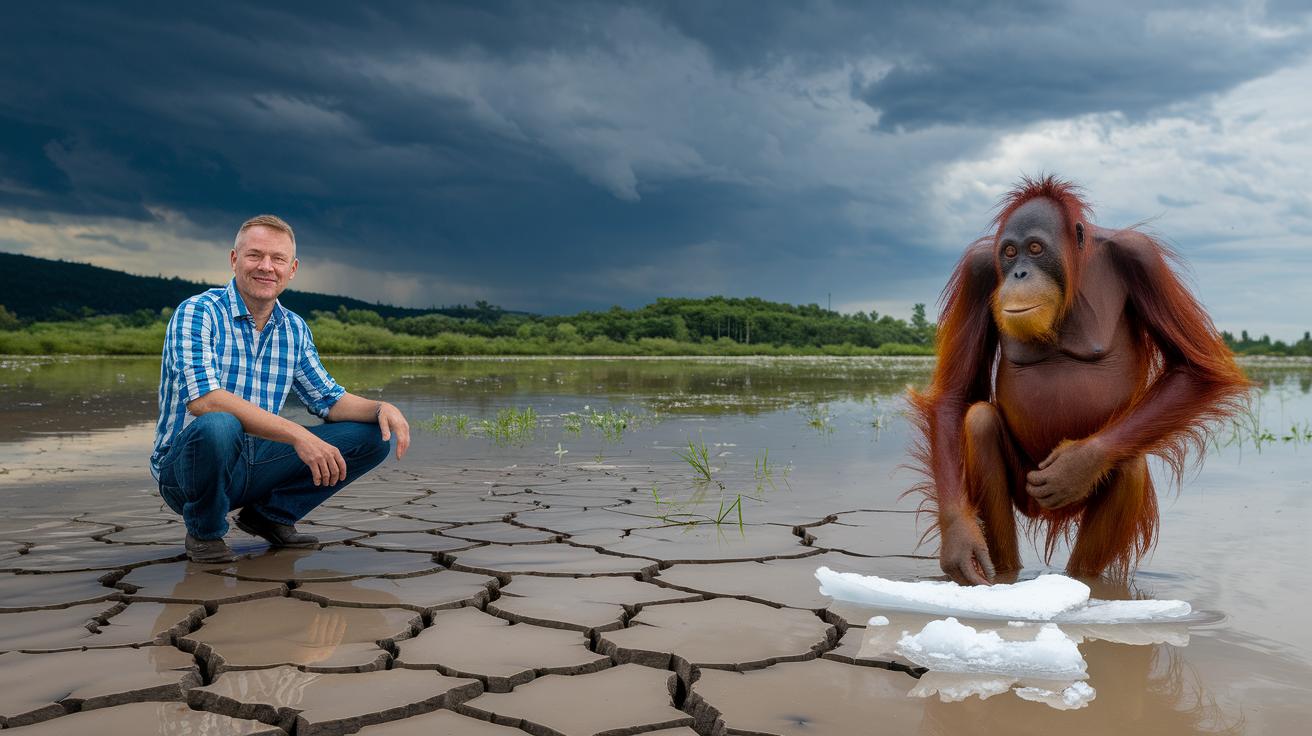
Climate change is stirring up wild weather like floods, droughts and wildfires. These rapid changes can quickly transform our surroundings and alter everyday routines. Imagine heavy rain suddenly turning into a flood or a long stretch of no rain cracking the earth, it's nature sounding the alarm.
Animals and farmers are feeling the heat too. In places like Indonesia, orangutans are losing their homes because repeated dry spells spark fires. Up north, animals that depend on icy landscapes struggle as the ice vanishes. And farmers, who once counted on steady weather, now face unpredictable rain and intense heat that hurt their crops. It’s a double-whammy of soil stress and wildlife loss that makes it clear, climate change isn’t just about numbers; it’s about real lives and landscapes each day.
| Impact Category | Example |
|---|---|
| Extreme Weather | Floods, droughts, wildfires |
| Biodiversity Loss | Loss of habitat for orangutans and polar species |
| Sea-Level Rise | Coastal flooding and erosion |
| Agricultural Disruption | Heat stress and erratic rainfall |
| Health Risks | Stronger heat waves affecting vulnerable groups |
Coastal communities are also under pressure as the rising sea slowly invades low areas. Plus, more frequent heat waves are making everyday life tougher, especially for people who find high temperatures hard to bear. In truth, it’s not just about the climate, it’s about how our homes, health and daily routines are all getting tossed around in these changing times.
Mitigation and Adaptation Strategies for Climate Change
Mitigation is all about slowing down global warming by reducing emissions, while adaptation means getting ready for the changes that are already happening. Think of it like this: fixing a leaky roof (mitigation) helps stop damage, but moving your furniture to keep it dry (adaptation) is about dealing with the leak while you wait for repairs.
Everyday choices matter, too. Swapping out old bulbs for energy-saving LEDs, cutting food waste, recycling, or even choosing to walk instead of drive, are simple steps anyone can take. On a larger scale, using renewable energy sources like solar panels and wind turbines helps us make power without adding extra greenhouse gases to the air. Updating building insulation or modernizing factories can also have a big impact. All these actions, along with better energy efficiency, work together to reduce the extra heat trapped in our atmosphere.
Countries around the world are also stepping up. Through the Paris Agreement, nations have agreed to keep the temperature rise to no more than 1.5°C above pre-industrial levels. This global effort pushes for more investment in clean energy and smarter infrastructure, giving communities a stronger chance to thrive in a warming world.
Scientific Consensus and Future Projections on Climate Change

Almost all climate scientists, over 97%, agree that human actions, like burning fossil fuels, cutting down forests, and running factories, are causing our planet to warm up. They base their conclusions on decades of research and field work, watching everyday practices release gases that keep heat trapped. This clear evidence pushes us to create smart policies that cut these energy-trapping gases and build global agreements to protect our world.
Forecasts show that if we keep doing things as usual, global temperatures might rise by 2 to 4°C by the year 2100. But with strong, coordinated measures, that rise could be kept between 1.5 and 2°C. These predictions remind us that reaching these targets isn’t a solo job, it’s about nations working together, sharing science, policies, and technology to keep our communities and natural systems safe.
Final Words
In the action of exploring climate change, the post broke down key ideas into clear sections. We traced long-term shifts in temperature, highlighted the human and natural factors behind rising earth temperatures, and looked at how detailed records show these trends. The piece also touched on both the risks posed to our environment and practical steps we can take. Understanding what is climate change helps us tackle everyday challenges with informed care and optimism. Keep curious and embrace the bright future ahead.
FAQ
What is climate change?
The simple definition of climate change is that it is a long-term shift in weather patterns, including rising temperatures and altered rainfall. It is driven by both human actions and natural processes.
What are the causes of climate change?
The causes of climate change are mainly human activities like burning fossil fuels, deforestation, and agriculture, which increase greenhouse gas emissions in our atmosphere and change our planet’s temperature balance.
What are the types of climate change?
The types of climate change include human-induced changes and natural shifts. Human-driven changes occur rapidly due to activities like fossil fuel burning, while natural changes happen over long periods with lesser shifts.
What is climate change and global warming?
Climate change and global warming are related; global warming refers specifically to the rise in Earth’s temperature, while climate change covers broader alterations in weather patterns, including rainfall, wind, and seasonal variations.
What are the five effects of climate change?
The five effects of climate change are extreme weather events, biodiversity loss, sea-level rise, disruptions to agriculture, and increased health risks for communities, all impacting natural systems and human society.
What is the new definition of climate change?
The new definition of climate change highlights long-term shifts in climate patterns driven by human emissions of greenhouse gases, distinguishing these trends from the shorter-term variations typical of weather.