
Have you ever noticed that our summers seem to feel hotter every year? It’s like the world is slowly turning up the heat. Small changes in temperature can lead to some surprising shifts in our daily weather.
So, what’s causing this? Human activities are a big part of the story. When we burn fossil fuels like coal and oil, basically the energy sources that power our cars and factories, we release gases. These gases act like a blanket, trapping extra heat in our air.
This article breaks down climate change in simple terms, showing how the things we do every day have an impact on the weather around us. It’s all about understanding how our choices shape the world we live in.
What is Climate Change: A Simple Take
Climate change is a long-term shift in our weather and temperatures. It happens slowly over many years, sometimes decades or even centuries. Think of it like subtle adjustments in the Earth’s overall climate, where even a small rise or drop in temperature can change our weather in noticeable ways.
Modern climate change refers mostly to the warming of our planet since the late 1800s. Back then, the Earth was a bit cooler, and scientists began spotting a steady increase in warmth as time passed. They compare old records with today’s data, and it clearly shows our planet is getting warmer.
What sets today’s climate change apart is how much human actions contribute. When we burn fossil fuels like coal, oil, and natural gas, we release greenhouse gases (gases that trap heat in the atmosphere, like a blanket keeping the Earth warm) into the air. This extra heat speeds up the warming process, making our impact on the climate very different from natural changes that happened long ago.
The Science of Climate Change: Greenhouse Gases and Warming Trends
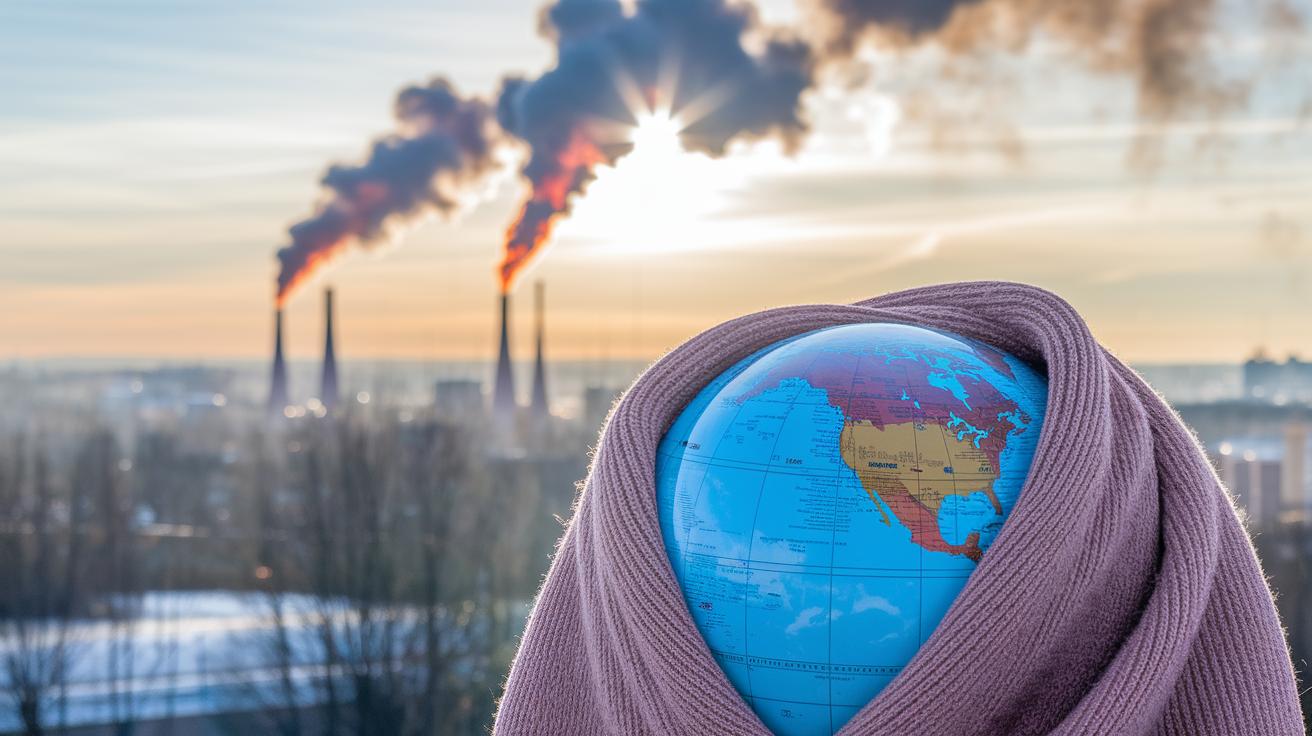
Greenhouse gases act like a warm blanket over our planet, catching heat that might otherwise drift off into space. When we burn fossil fuels such as coal, natural gas, and oil, we release gases like carbon dioxide and methane (gases that trap heat) into the air. These gases soak up the sun’s warmth and then send it back to Earth, which makes our planet warmer. This whole process, called the human greenhouse effect (warming caused by gases we emit), is the main reason Earth is heating up.
The gases don't just warm our land, they also change how energy moves around in our atmosphere. This extra heat makes global temperatures slowly rise. New measurements show that the average temperature has increased by about 1.1 °C since before the industrial revolution. This added warmth has even shifted weather patterns. For instance, the decade from 2011 to 2020 was noted as one of the hottest periods by NOAA (National Oceanic and Atmospheric Administration).
| Gas | Primary Source | Atmospheric Lifetime |
|---|---|---|
| Carbon Dioxide (CO₂) | Fossil fuel combustion, deforestation | 100+ years |
| Methane (CH₄) | Agriculture, oil and gas extraction | 12 years |
| Nitrous Oxide (N₂O) | Fertilizer use, industrial processes | 114 years |
| Fluorinated Gases | Industrial emissions | 2–50,000 years |
Recent measurements show that the amount of these gases in our atmosphere has been rising steadily, matching the climb in global temperatures. This trend proves that our own actions are changing the air around us, boosting the natural warming process and reshaping our climate in ways we can measure.
Natural Variability vs. Human Contributions to Climate Shift
Nature has always played its part in shaping our climate. The sun sends out energy in cycles, and sometimes volcanoes burst, releasing tiny particles that can cool or warm the Earth for a short span.
Over millions of years, these natural shifts, like changes in the sun’s activity and bursts of volcanic action, have gently swung the planet’s temperature back and forth. It’s like Earth has been on a long, slow ride of ups and downs.
Then came the industrial era. Since that time, we’ve started burning fossil fuels (like oil, gas, and coal) in factories, power plants, and cars. This process puts extra carbon dioxide and methane (gases that trap heat) into the air, acting like a snug blanket that holds in more heat than nature alone ever would.
Scientists have dug into Earth's past and found that in the last 800,000 years, our planet went through eight ice ages. The most recent ice age ended about 11,000 years ago when our climate was roughly 6°C cooler than later in the 20th century. Today, though, industrial emissions are speeding up warming in a way that's very different from the slow, natural changes we saw in the past.
Evidence of Climate Change: Key Indicators
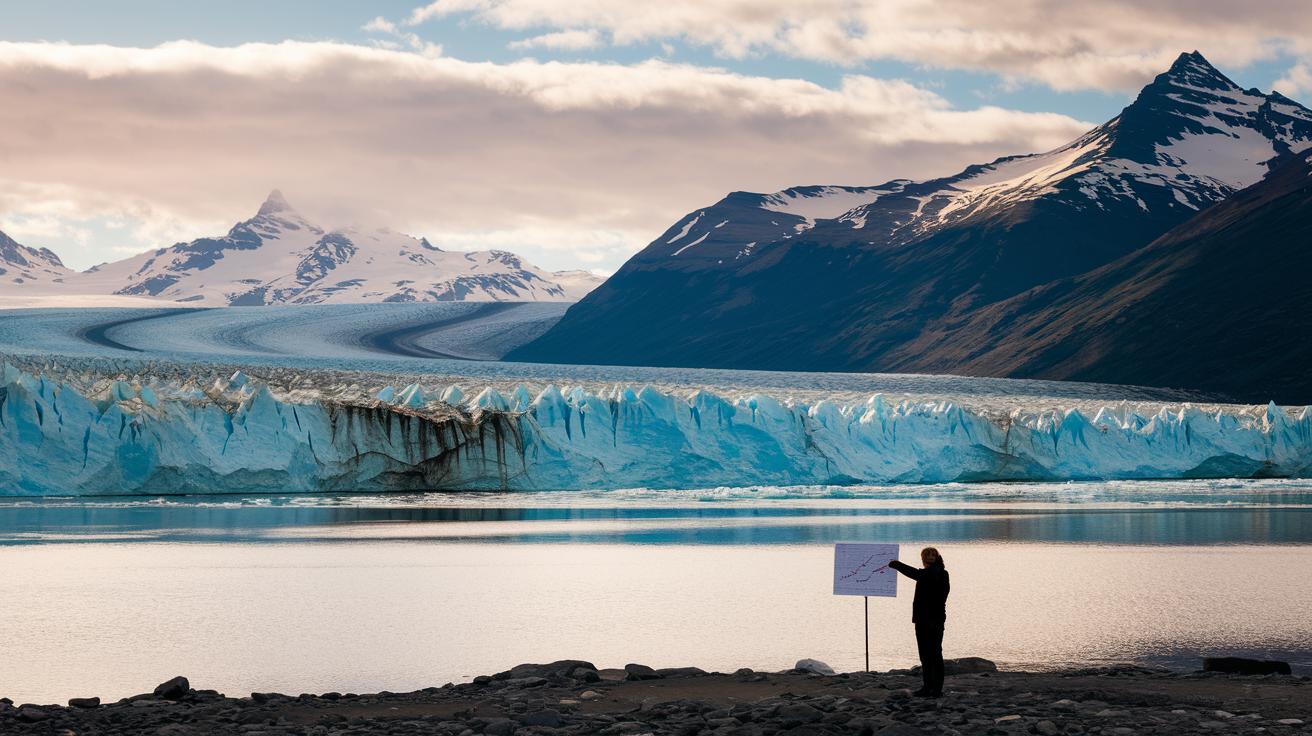
Our planet is getting warmer, and the weather is acting a bit differently. Scientists have noticed that, since the time before factories and major industries grew, the average temperature on Earth has risen by about 1.1 °C. This gradual warming, along with changes in rain and extreme weather, tells us that our climate is shifting.
Here are some key signs of this change:
- Global surface temperature rise
- Melting of polar ice caps and mountain glaciers
- Measured sea level rise
- Increased ocean acidification (the ocean becomes more sour because it soaks up extra carbon dioxide)
- More frequent extreme weather events like heat waves and droughts
- Changes in precipitation patterns
Each sign adds a piece to the big picture of climate change. For instance, the loss of ice in cold regions not only shows rising temperatures but also makes sea levels rise, which can affect coastal towns. Also, when our oceans become more acidic, it harms delicate life like coral reefs, showing us that even sea life is feeling the heat. On land, stronger heat waves and longer dry spells can hurt crops and limit water. And when rain habits change, it shakes up nature and our daily activities. All these clues tell us that our climate is changing in clear ways because of more greenhouse gases from human actions.
Historical Trends in Earth's Climate
For thousands of years, Earth's climate has swung from deep freezes to warmer spells. Scientists studying samples of ice from Antarctica have discovered eight major ice age periods over the past 800,000 years, with the most recent ending about 11,000 years ago. These icy layers even show sudden drops in temperature over just a few centuries, imagine reading a history book written in ice that reveals nature’s swift changes.
In the last century or so, things got even more interesting. Modern records from satellites and detailed climate models tell us that today's warming trend is unlike those ancient cycles. Researchers have compared urban temperature trends with data from remote places, and the results show a steady, noticeable rise in heat. Think of it like two neighboring towns: one getting warmer over time thanks to human activities, while the other stays cooler.
Impacts of Climate Change on Ecosystems and Society
Ecosystem Impacts
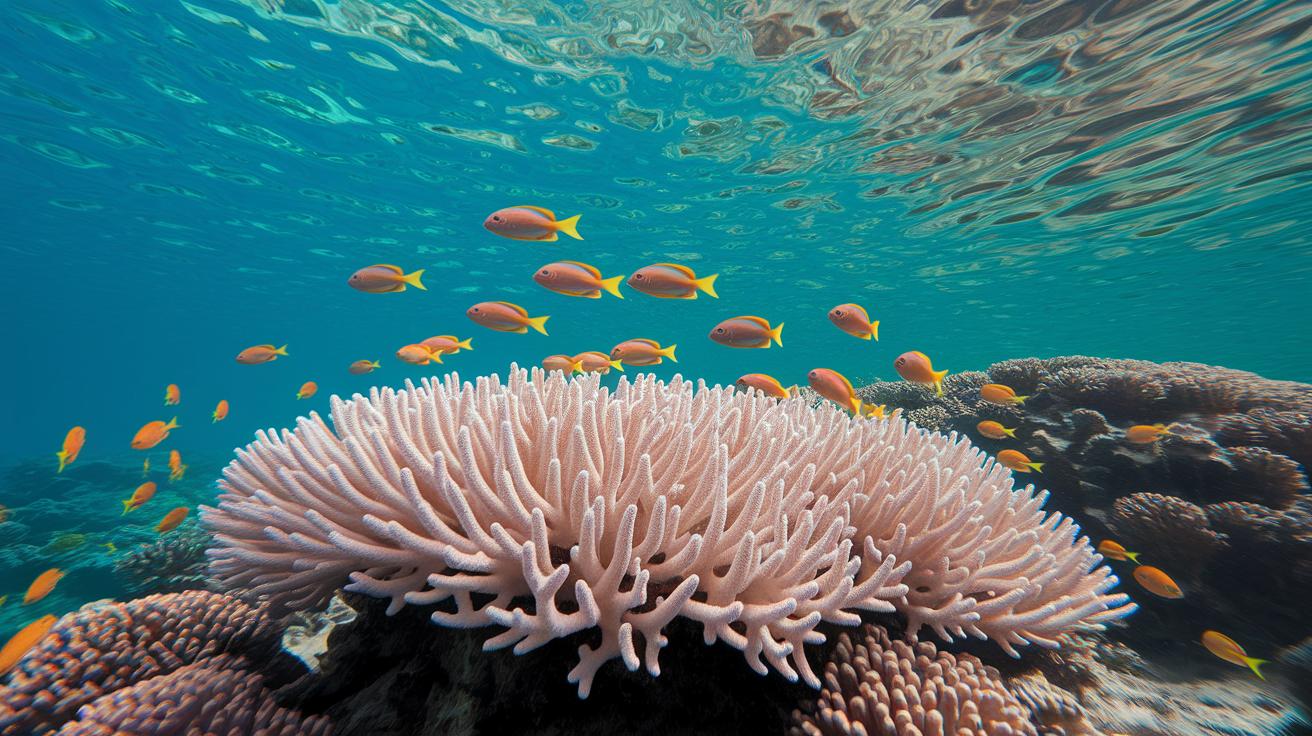
Coral reefs in Australia and Florida are in trouble because warmer oceans are making the water too hot for them. The hot water causes the corals to lose the algae they rely on for food, leaving behind pale, delicate structures. At the same time, rising temperatures and more acidic seas (which means the water becomes sour and can harm animals with shells) are stressing marine life. Glaciers are melting away, and many animals that once thrived in cool, stable places are losing the homes they need to survive.
These changes cause a chain reaction of habitat loss that affects whole groups of sea creatures. Many fish and other marine animals depend on coral reefs for shelter and food. When these reefs break down, the animals face big challenges that can upset the entire food cycle. It shows just how small shifts in the ocean’s chemistry can lead to big effects on life in the water.
Human Health and Community Effects
In parts of India, monsoon floods are getting worse, causing deadly flash floods and landslides. These events not only lead to loss of life but also make communities vulnerable to long-term economic hardships. More people are getting sick from the heat, as extremely high temperatures put extra pressure on healthcare systems and force communities to adjust quickly.
Changing weather patterns and crop failures are also upsetting food supplies and local economies. Many families are forced to leave areas where farming can no longer support them, and communities struggle to rebuild after repeated disasters. These challenges remind us that the effects of climate change go far beyond nature, they touch every part of our society.
Mitigation and Adaptation Strategies for Climate Change
Nations around the world are working together to cut emissions and gear up for a warmer planet. Governments are setting rules that help lower our carbon footprints and push us toward using cleaner energy. International efforts, like the Paris Agreement, inspire countries to reach for common goals and reduce harmful emissions together.
Switching from fossil fuels is a big step in reducing the gases that warm our air. Many nations are investing in renewable energy sources such as solar, wind, and hydropower. These energy options generate power without pumping extra carbon into the atmosphere. At the same time, researchers are exploring bioenergy, geothermal, and marine energy to mix up our energy sources and keep emissions in check. New technologies and smarter systems are also helping homes and factories use less energy, making it simpler for all of us to shrink our overall carbon footprint.
Adapting to a hotter climate means updating the places where we live and work. Both cities and rural areas are making their buildings and roads stronger to better handle rising floodwaters and wild weather. Flood barriers are being upgraded, and farmers are trying out drought-resistant crops to safeguard food supplies. Local leaders and experts are teaming up to design plans that not only protect our communities but also lower the risks linked to climate change.
Working together across borders is key to solving these big challenges. Countries share new ideas and technologies through global agreements that target emissions and push for carbon neutrality. When nations come together, they set the stage for smart investments and pave the way for a safer, more sustainable future for everyone.
Final Words
In the action, we've explored key science insights explaining what is climate change. We've walked through its definition, greenhouse gases' role in warming, and everyday signs of shifting weather. We also reviewed historical trends and the impact on both ecosystems and human communities. With solutions focused on cleaner energy and smart adaptation, there's ample reason for hope. Keep questioning and sharing ideas, each step brings us closer to a brighter, more informed future.
FAQ
Q: What is climate change in simple terms?
A: Climate change means long-term shifts in weather and temperature. Modern changes since the late 1800s are mainly driven by human activities that increase greenhouse gases in the atmosphere.
Q: What exactly causes climate change?
A: Climate change is caused by various factors, with the main driver being human emissions from burning fossil fuels and industrial processes that trap heat in the atmosphere.
Q: What are the key contributing factors to climate change, including a list of common causes?
A: While not exactly 10, contributing factors include fossil fuel combustion (like coal, oil, and gas), deforestation, industrial activities, agricultural emissions, and improper waste management releasing greenhouse gases.
Q: What is the best answer for climate change?
A: The best answer for climate change defines it as enduring shifts in weather patterns and rising temperatures, primarily driven by human actions that increase greenhouse gas levels in our atmosphere.

