
Have you ever wondered if the tiny bacteria in your gut could actually change how you feel? Recent studies suggest that these little organisms might affect your mood, energy, and even your body's defense against illness. New research points to special chemical signals from these bacteria that could unlock secrets about how our bodies work. This article explores the latest discoveries in gut science (the study of the many microbes living inside us) and what they might mean for future health treatments. It’s pretty exciting, and it makes you think about what else could be happening right inside you.
Mapping Major Breakthrough Findings in Human Microbiome Research
Recent research has changed the way we see gut bacteria. Scientists now believe that the tiny microbes in our stomachs play a big role in how we feel and function.
One exciting study by a molecular biology PhD student, soon to appear in USC Dornsife Magazine Spring/Summer 2025, found that special interactions among gut microbes affect the connection between our gut and brain. For example, researchers discovered that some bacterial metabolites (tiny chemicals produced by bacteria) are tied to shifts in mood, energy, and even immune responses.
Imagine scientists working steadily in a lab, carefully tracking down these little compounds. Their efforts could lead to smarter ways to treat both mental and physical health issues.
Big studies that look at all the microbial genes (the genetic blueprints in bacteria) have led to these breakthroughs. By examining thousands of microbial genes, scientists noticed that the variety of these bacteria changes with our eating habits and with levels of inflammation (the body’s signal of stress or injury). This method helps us see how our food choices can reshape the tiny world inside us.
Researchers from many different fields have teamed up on these studies, proving that mixing expertise from various areas is crucial when unraveling the secrets of gut bacteria.
Take a moment to think about how these advanced studies might open up new ways to treat diseases. The discoveries so far are changing our view of intestinal bacteria and setting the stage for even more fascinating research in the future.
Clinical Trial Insights in Human Microbiome Therapies
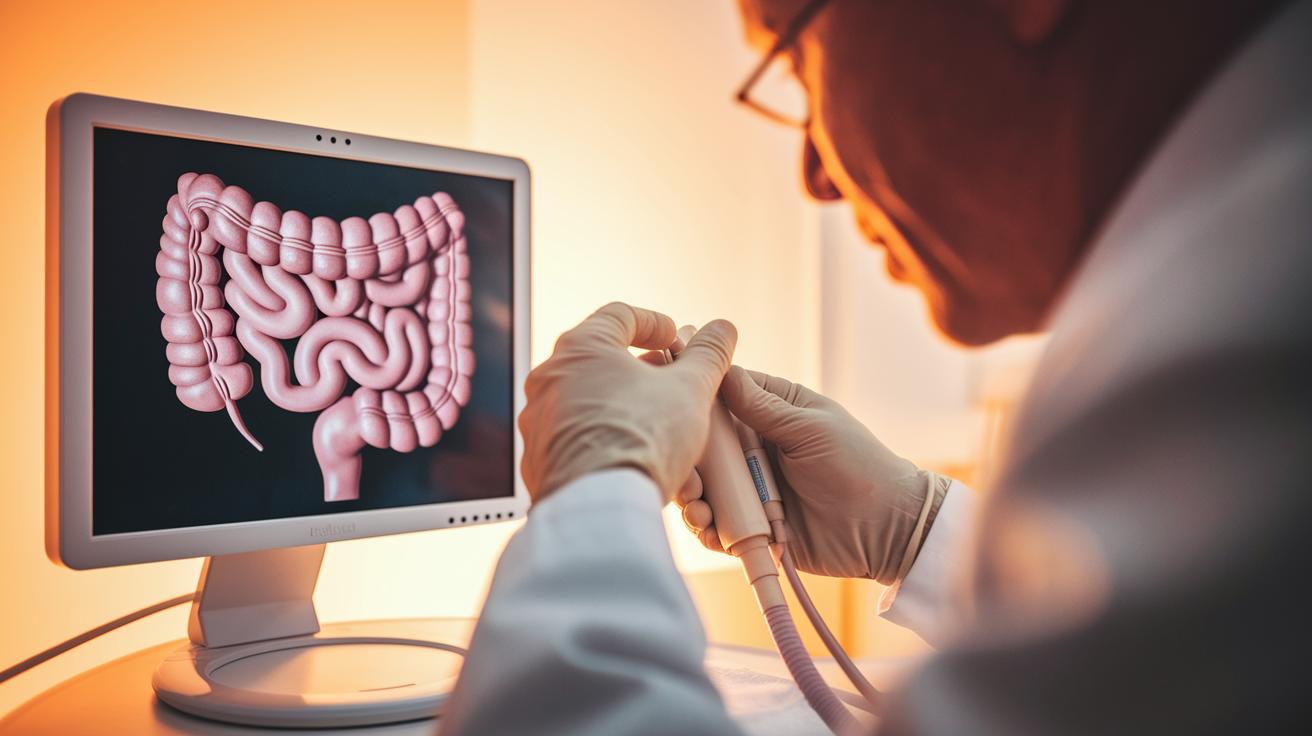
A new trial looked at how fecal microbiota transplantation (FMT, a treatment where healthy gut bacteria are moved into a patient's intestines) affects adults with Crohn’s disease. Over eight weeks, patients received FMT treatments every two weeks using a colonoscopy. The study checked whether this approach could ease symptoms and lower signs of inflammation, like C-reactive protein levels and what doctors observed during an endoscopy.
Sadly, the treatments didn’t lead to remission for the patients during this short period. The changes in inflammation markers were very small, and there wasn’t a meaningful improvement in the main health measure used in the study. This outcome suggests that, although FMT is an exciting idea in gut research, its current use for Crohn’s disease might need further study and different methods.
Even though the patients didn’t hit remission, the trial gave researchers plenty of new questions to explore. The data, which came from a deep look at the genetic makeup of gut bacteria (metagenomics, a method to study all genes in a sample), highlights just how complex our gut microbes can be. It raises important questions about the best dose, treatment length, and which patients might get the most benefit.
These findings are just a stepping stone. They help point the way for future studies that aim to fine-tune microbiome-based therapies, ensuring that treatments are a better match for individual patients dealing with bacterial disorders.
Nutritional Effects on Human Microbiome Balance
Our gut bacteria can change a lot based on what we eat. New research from NeuroGASTRO 2025 shows that a high-fiber diet helps boost good bacteria like Bifidobacteriaceae and increases short-chain fatty acids (small molecules made by bacteria) that keep our gut lining strong. For example, studies with prebiotic inulin and resistant starch reported a 25–40% jump in these helpful molecules in just one month. It's pretty amazing how a small tweak in our meals can have such a big impact.
Fermented foods and special mixes called synbiotic formulations, think of them as a blend of probiotics (good bacteria) and prebiotics (food for those bacteria), can also strengthen the barrier that protects our intestines. Enjoying foods like kefir and yogurt might not only satisfy your taste buds but also support your overall wellness by keeping your gut balanced.
Here are the top five dietary factors highlighted at NeuroGASTRO 2025:
- Dietary fiber (inulin, resistant starch)
- Polyphenol-rich foods (berries, cocoa)
- Fermented dairy (kefir, yogurt)
- Specific prebiotic supplements (GOS, FOS)
- Synbiotic blends combining probiotics with prebiotics
Imagine starting your day with a tasty, nutrient-packed smoothie – a simple change that could give your gut a significant boost.
Discovery of Novel Microbial Strains in Human Gut Ecosystem
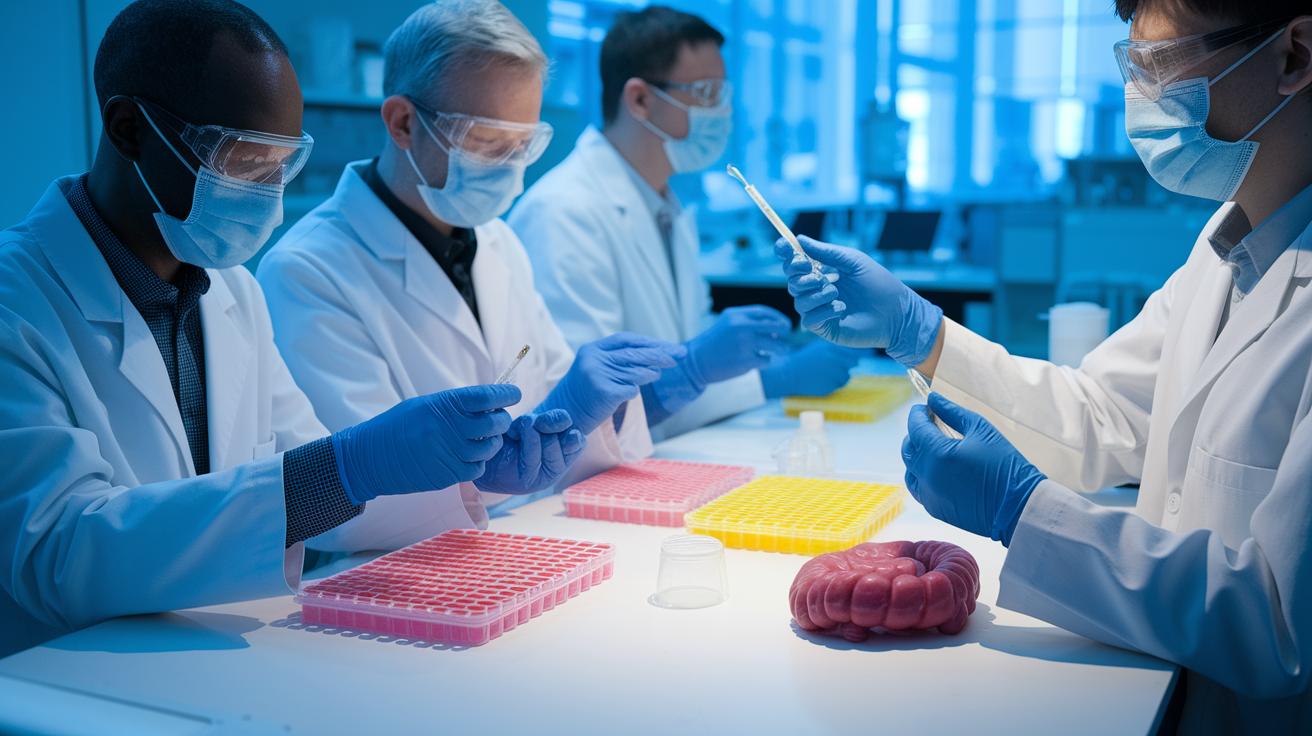
A recent study, playfully called "Spooky by name, friendly by nature," surprised scientists by finding two new Firmicutes strains that make anti-inflammatory butyrate (a fat that helps lower swelling). The researchers examined 5,000 samples using metagenomic sequencing (a way to read all the genetic material in a sample) and discovered 150 species that had never been described before. One of these species, Xylofermia salutaris, seems especially connected to colon health and might help keep our gut in balance.
Using high-resolution community profiling, a technique that lets researchers look at tiny changes within bacteria, the study showed that adding more fiber to your diet can change the mix of bacteria in just two weeks. In other words, when you eat more fiber, some bacteria ramp up their activity or even change in number, offering a quick glimpse into how our daily food choices shape our gut's microbial community.
The scientists paired cutting-edge genomic tools with a careful look at the bacterial community. By sequencing thousands of genes and watching how they changed, they could spot small differences between strains that might have gone unnoticed otherwise. Think of it like piecing together a huge puzzle, each microbe plays a special part in the whole picture of gut health. This research opens the door for more studies on how these tiny organisms influence our well-being.
Emerging Gut-Brain Axis Insights in Microbiome Research
Scientists have learned that the bacteria in our gut do more than just help break down food. They also send important signals to our brain. These tiny helpers produce things like GABA and serotonin precursors (simple building blocks for brain chemicals) that keep our mood steady. For example, one study with both animals and people showed that changes in these precursors were linked to changes in behavior. Have you ever thought about how your gut could affect your mood and energy levels?
Another cool discovery is about how our body sends messages. Short-chain fatty acids, like acetate and propionate, are small molecules that act as signals. They tell our brain’s immune cells, called microglia (cells that help fight inflammation in the brain), to work in a certain way. These signals might help lower inflammation in the brain, which could be why some people feel less anxious when they take care of their gut health.
Some studies have even shown that taking specific probiotics can drop anxiety by 15-20% over six weeks. Researchers are now exploring how these gut microbes work with the rest of the immune system. They are mapping out how bacteria help create neurotransmitters (chemicals that let brain cells talk to each other). This work could soon explain a strong link between gut health and how we feel mentally.
It seems that listening to the signals from our gut might be a new way to reduce anxiety and boost our overall mental wellness.
Future Directions in Breakthrough Human Microbiome Methodologies
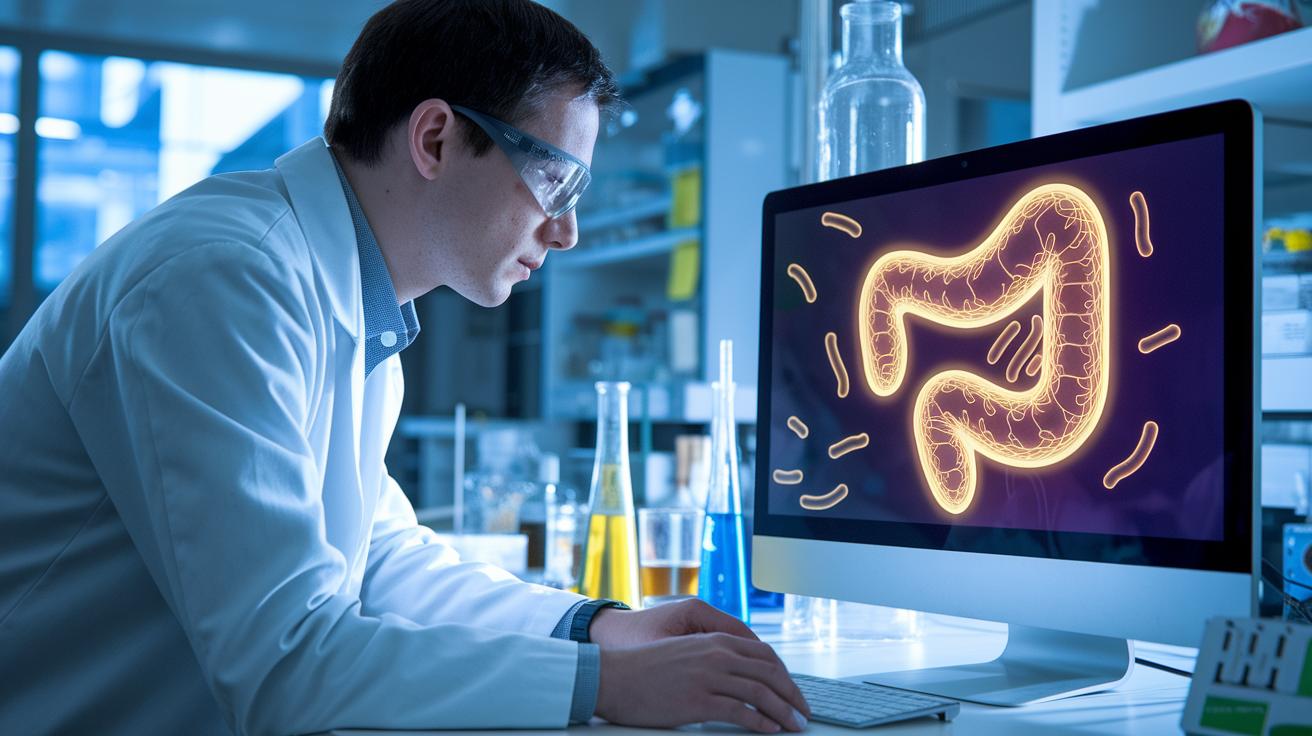
New methods like single-cell genomics (a way to study one cell at a time) and spatial transcriptomics (techniques that show where gene activity happens) give scientists a close-up look at gut bacteria. They let us map what each microbe does in great detail and help researchers grasp the special role every bacterium plays in keeping our guts healthy.
Fresh computer programs, known as machine learning, now analyze more than 10,000 metagenomes (collections of microbial DNA) to predict how microbes and chemicals interact with about 85% accuracy. This method, sometimes called "data-driven discoveries fueling science breakthroughs," uses computer strength to link bacteria with the chemicals they produce. It helps scientists uncover how these tiny communities influence things like metabolism and inflammation.
Large-scale data studies that track groups over time have spotted key microbial markers that can warn us about metabolic syndrome up to two years before any symptoms appear. These techniques dig through giant piles of data to find small changes in bacterial profiles, giving us an early look at future health trends.
New computer tools now rebuild groups of genes to reveal previously unknown chemicals that affect our immune system and energy balance. Plus, computer models are creating virtual maps of gut microbe interactions so researchers can test ideas in simulated environments. By mixing modern gene reading techniques with smart computer programs, we're setting the stage for one-on-one microbiome treatments. This smart blend of gene mapping and big data looks like a bright sign for the next phase of gut health research as scientists refine their tools and ideas.
Looking forward, the mix of breakthrough gene sequencing and advanced computing promises to drive gut microbiome research into an era of pinpoint diagnostics and targeted treatments. Researchers believe these new methods show us clearly how our gut microbes shape our overall well-being.
Final Words
In the action, we traversed key breakthroughs in human microbiome research. We looked at major gut bacteria studies, nutritional impacts, and new microbial strains that shift our understanding of gut health. Insights on the gut-brain axis and emerging methods showed how science connects our mood, diet, and body. We also peeked at fresh computational tools helping to map out these findings. Each step brings us closer to practical uses of breakthrough findings in human microbiome research. It’s an exciting time to be curious about science!
FAQ
What are the key milestones and history of human microbiome research?
The key milestones in human microbiome research include early studies on gut bacteria, advances in DNA sequencing, and modern work mapping microbial genes that revealed the gut’s dynamic role in human health.
What human microbiome research articles are available?
Human microbiome research articles cover studies on gut bacteria, dietary impacts, novel strain discoveries, and clinical trial outcomes that detail microbial influences on health conditions.
What is the human microbiome project?
The human microbiome project is a large research effort to map the communities of microbes in our bodies. It has broadened our understanding by linking microbes with various aspects of human health.
When was the first microbiome study conducted?
The first microbiome study involved early surveys of gut bacteria using basic laboratory techniques and marked a foundational step in exploring the complex world of microbes living in us.
What human microbiome species have been identified so far?
A wide range of species has been identified in the human microbiome, including many bacteria that influence digestion, immunity, and even mood, with new taxa being recognized through advanced gene sequencing.
Who are some of the top researchers in human microbiome studies?
Top researchers in human microbiome studies include experts in gut bacteria and microbial gene mapping. Their work represents collaborative efforts across multiple scientific fields and innovative research techniques.
Where can I find a human microbiome PDF?
A human microbiome PDF is commonly available through academic journals or research institutions, offering detailed methodologies, findings, and data for those interested in in-depth scientific study.