
Ever wonder if checking your eye health could be as simple as glancing at your watch? Smart contact lenses now have tiny sensors (little devices that detect changes) working quietly in the background to keep an eye on your eye pressure all day. They send updates wirelessly (without any cables) so you don’t have to book extra appointments. Imagine a little health tracker sitting on your eye, always ready to spot even the smallest changes. This exciting breakthrough could make eye care much easier and more comfortable while helping you keep your vision steady.
How breakthrough smart contact lenses deliver continuous ocular health monitoring
These new smart contact lenses are changing how we look after our eyes. They use WMCL wireless measuring technology (a way to send and receive data without wires) to keep track of your eye pressure, also known as intraocular pressure or IOP, throughout the day in a way that doesn't interrupt your routine. Imagine checking your eye pressure as simply as checking the time on your watch; it's that effortless.
These lenses blend tiny, high-tech electronics with digital eye checkups, making it easy for you to get continuous insights into your eye health without any fuss. They work quietly in the background, gathering important data that your doctor can review during regular visits, which means you don’t have to undergo constant, cumbersome tests at the clinic.
Think of it like having a mini, advanced health tracker right on your eye, always on the lookout for small changes that might need attention. This non-invasive system sets a fresh standard in eye care, combining precision, comfort, and smart design to help keep your vision on track.
Innovative dual LCR and wireless measuring systems in smart contact lenses
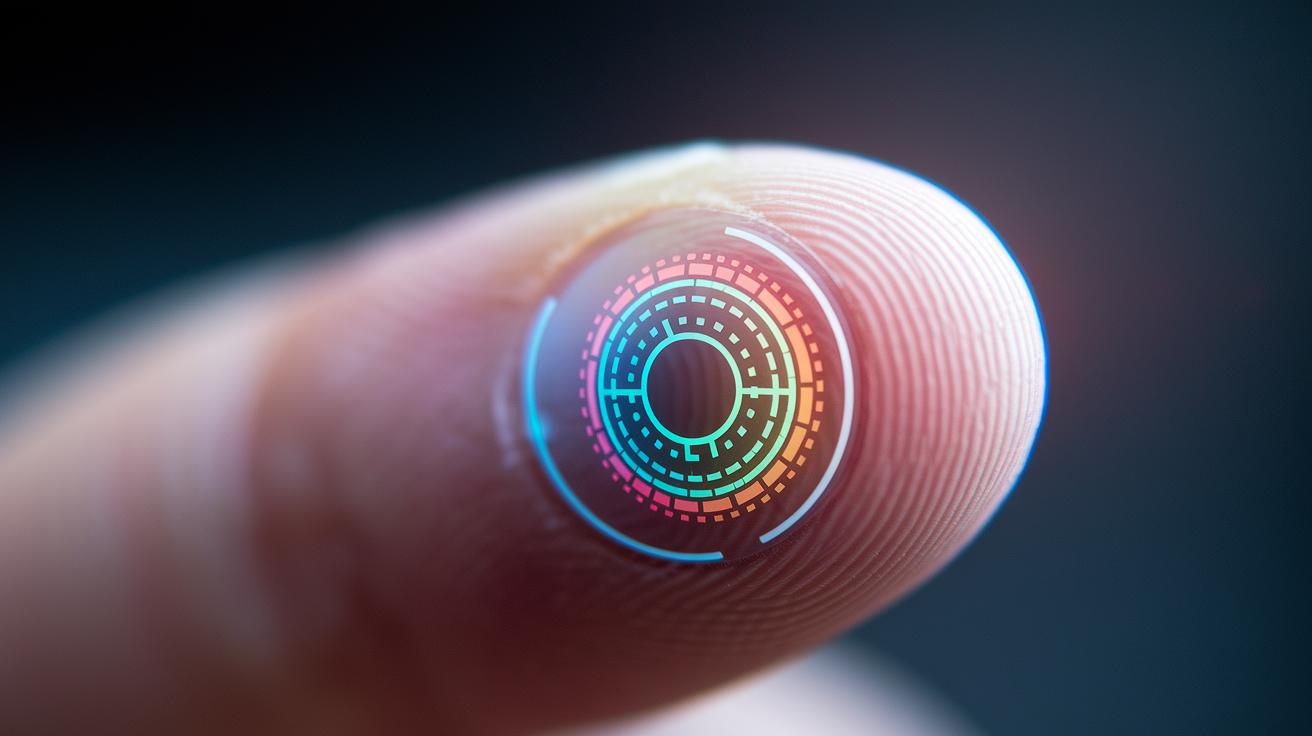
These innovative lenses come with a special dual system that uses an inductor, capacitor, and resistor (basic electronic parts that control electrical signals) to bring eye care to a whole new level. Thanks to clever engineering, they automatically adjust for temperature changes, which keeps readings precise whether it’s chilly or warm. This smart design lets the lens measure the pressure inside your eye (an important health indicator) accurately no matter where you are.
Inside each lens, you’ll find tiny chips and smart microsensors that do more than just help you see better. They continually gather important signals about your eye health. By blending sensor-integrated optics with built-in biosensors (devices that detect biological information), these contacts offer advanced eye monitoring that lets doctors and patients track key details in real time without interrupting daily life.
A wireless system sends this data straight to your doctor, ensuring both you and your healthcare team have up-to-date eye health information. Imagine how reliable it stays indoors or on a sunny day, thanks to that nifty temperature adjustment feature. All in all, the design is simple yet smart, perfectly bridging everyday vision correction with the future of health monitoring in a single, easy-to-use package.
Benefits of continuous eye health monitoring with smart contact lenses
Smart contact lenses mix tiny sensor technology with a design that fits easily into your daily routine. They use tiny parts (microelectronics, which are very small components) and energy-saving circuits to keep an eye on your eye pressure all the time. Imagine getting a friendly note saying, "We noticed a slight pressure change this morning." It’s like having a little helper that nudges you when things aren’t quite right.
One user shared, "I was amazed how naturally the lens blended into my day. It’s a relief to know that small changes in my eye condition are tracked without me having to do anything extra." This shows how design improvements make monitoring almost invisible during everyday activities.
- Precise sensor tweaks ensure every reading is accurate.
- Simplified data feedback means treatments can be adjusted quickly and clearly.
With these smart features, these lenses not only offer real-time vision insights and early warnings but also boost patient confidence and help clinics work more efficiently.
Design and usability of advanced ocular sensors in wearable contact lenses
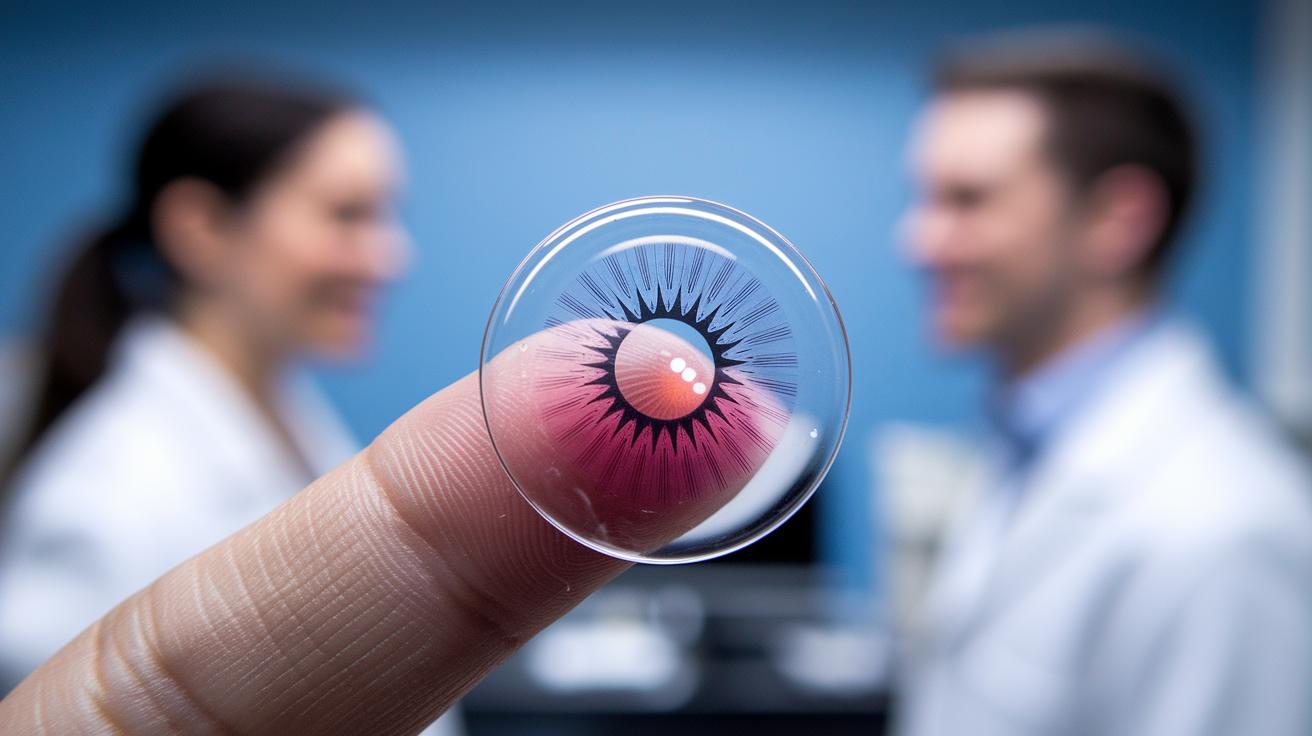
The next chapter in contact lens technology is moving from hard plastic to a softer, silicone-hydrogel material. This new material holds moisture much better, so your eyes feel less irritated and more comfortable even after long hours. It gives your eye a soothing, well-hydrated feeling, almost like sipping a refreshing drink on a hot day.
Now, designers focus on fitting each lens to match the unique shape and thickness of your eye. By tailoring the lens just for you, it sits perfectly, keeping your eye safe and clean while also boosting the performance of the tiny sensors used for gentle eye testing.
Makers now include smart bio-optic devices (tiny tech tools that monitor your eye health) right into the lens without making it bulky. These built-in sensors take precise readings without interrupting your day, working quietly like a helpful partner keeping an eye on your vision.
| Key Advantage |
|---|
| Silicone-hydrogel holds moisture for all-day comfort. |
| Custom fitting ensures the lens matches your unique eye shape. |
Altogether, this thoughtful design balances smart innovation with ease of use, making it simple and safe to monitor your eye health every day.
Market growth and future developments in breakthrough smart contact lenses
In 2018, the smart contact lens market was valued at about USD 115 million. Fast forward a bit, and experts predict it could reach USD 8.61 billion by 2029, growing by around 10% each year on average. Some estimates even hint at a value of nearly USD 9.73 billion by 2032. This exciting surge is largely due to big strides in wearable medical sensor technology (devices that monitor your health) and better digital biosensor integration, which together make our bio-monitoring systems smarter and more efficient.
New digital technologies are also shaking things up by making it easier to capture health data and tailor treatments to each person. Researchers are exploring innovative methods like gene therapy (a way to fix genetic issues) and neuroprotective agents (compounds that help protect nerve cells), which could offer fresh ways to manage eye conditions. Plus, AI-driven diagnostics (computers that learn and make predictions) are stepping in to catch issues early, pushing the possibilities of these lenses even further.
We’re seeing a real transformation here. What started as a simple tool to help you see better is quickly evolving into a full-blown health monitor. This blend of smart sensors and breakthrough biomedical research is not only improving personal care but also completely redefining how we look after our eye health every day.
Clinical challenges and limitations of continuous ocular health monitoring lenses
These smart lenses are truly promising, but they come with some real hurdles. One major worry is the cost of upkeep and keeping everything clean. Without regular cleaning and check-ups, the lenses might not work as they should. Plus, each lens needs to fit your eye perfectly by matching its unique shape and thickness, which is super important for safety and performance.
There are also tech challenges to consider. Fitting several tiny sensor components (small devices that watch over your eye health) into such a small space is tricky. Sometimes, the sensors may not give steady readings over long periods, which can make it hard to monitor your eyes accurately.
Key challenges include:
- High maintenance costs and strict cleaning requirements.
- The need for a perfect fit based on your eye’s exact shape.
- Combining all the sensor parts while keeping long-term eye safety in mind.
Each of these points affects how well these lenses work and how users feel about them. There’s still a lot of work to do in improving eye sensor technology and blending different sensor methods before these innovative lenses can reach their full potential.
Next-generation innovations: AI and drug delivery in smart contact lenses
These smart contact lenses started out to give you better sight but now they do so much more. They not only help you see clearly, but they also watch over your eye health and even release tiny drops of medicine when your eyes need it. Imagine having lenses that keep an eye on your eye pressure and adjust medicine right away, it's almost like having a mini eye doctor with you all day!
The magic really happens with built-in computer smarts. Every time you blink, the lens checks your vision data and looks for any changes in your eye health. It turns the raw information into helpful advice, acting like both a monitor and a guide to keep your eyes feeling their best.
This breakthrough is a big step forward in wearable health gadgets. By mixing smart sensors with automatic medicine release, these lenses are paving the way for personalized eye care that keeps up with your life.
Final Words
In the action, our exploration showed how breakthrough smart contact lenses for continuous ocular health monitoring use wireless measuring tech and smart sensors to track eye health. We covered everything from the dynamic design and market growth to clinical challenges and promising advances like AI-guided diagnostics. This deep look shines a light on smart contact lenses that work quietly yet powerfully to improve daily eye care. The future of ocular health is bright and full of potential.
FAQ
Breakthrough smart contact lenses for continuous ocular health monitoring 2022 and non invasive continuous eye health monitoring?
The breakthrough smart contact lenses introduced in 2022 offer continuous ocular monitoring using wireless technology. They enable non-invasive eye pressure tracking, improving glaucoma management while remaining comfortable for daily use.
Smart contact lenses for health monitoring?
Smart contact lenses for health monitoring collect vital eye data in real time with embedded sensors and WMCL technology. They help track intraocular pressure changes so clinicians can adjust treatments promptly.
Smart contact lenses price?
The price of smart contact lenses varies with the features and technology integrated. As market adoption grows, costs may change, making these advanced monitoring devices more accessible over time.
Smart contact lenses 2025?
Smart contact lenses by 2025 are expected to include advanced sensors, AI-powered diagnostics, and integrated drug delivery systems. These enhancements aim to improve disease management and offer greater ease for wearers.
Smart soft contact lenses for continuous 24-hour monitoring of intraocular pressure in glaucoma care and for glaucoma?
Smart soft contact lenses designed for glaucoma care provide continuous 24-hour monitoring of intraocular pressure. This constant tracking offers critical biometric insights, aiding early detection and effective glaucoma management.
Smart contact lenses in ophthalmology: innovations, applications and future prospects?
Smart contact lenses are evolving as versatile devices that combine real-time ocular monitoring with applications in glaucoma care, drug delivery, and AI diagnostics. They are promising tools for transforming future eye care.

