
Have you ever wondered if our world could change in just one night? New technology is shaking things up in the way we live, work, and connect with one another. Smart AI tools and quick data processing (think of it as a tiny brain working behind the scenes) are making everyday tasks feel a lot smoother.
Around the globe, more money is being spent on technology, which means we’re not only getting cool new tools but also finding ways to protect our planet. It’s truly exciting to see how these innovations are lighting up industries and sparking changes we can feel in our daily lives.
Recent Technological Advances: Key Breakthroughs Shaping Global Industries
Technology is moving fast, and new breakthroughs are changing the way we work, talk to each other, and experience the world around us. The global tech market hit a huge milestone in 2025 by reaching $9.6 trillion, up from $8.9 trillion in 2024. This jump doesn’t just show we’re spending more money, it shows that new ideas like making artificial intelligence available to more people are really taking hold.
We’re also seeing amazing progress with connectivity. For example, the number of devices connected to the Internet is projected to reach 27 billion by 2025. And edge computing, which helps process data really fast (it’s like having a mini brain right at the spot where the data comes in), has grown from handling 155 exabytes per month in 2018 to 374 exabytes per month in 2023. Investment trends are pretty exciting too, with over 25% of venture capital now going into clean technologies. This means we’re not just innovating; we’re doing it in a way that could help our planet.
All these trends are making it easier for businesses to adopt new technology in everyday work. Open-access AI models are helping companies work more efficiently, while strong data processing from edge computing is making real-time decisions sharper. And with more cash flowing into clean tech, industries can shift towards practices that are friendlier to our environment.
| Technology | Description | Impact Level | Adoption Year |
|---|---|---|---|
| AI democratization | Making advanced AI tools available to more people | High | Current |
| IoT expansion | A rapid increase in connected devices transforming smart services | High | 2025 |
| Edge computing growth | Huge boost in data processing power for fast analytics | High | 2023 |
| Cleantech investment surge | More than 25% of venture capital funds going to sustainable tech | Significant | Ongoing |
| Quantum computing pilots | Early tests of quantum technology use in real-life industry | Medium | Emerging |
These advances highlight how innovation is spreading and transforming industries everywhere. Every new step in technology brings us closer to smarter, greener, and more connected ways of living.
AI and Machine Learning Innovations in Recent Technological Advances

AI and machine learning are moving at a breakneck pace, changing industries by putting advanced tools into the hands of many. With open-source models (free-to-use coding frameworks) and cloud-based APIs (online programs that let you access complex services), even small companies and independent developers can create smart solutions quickly. It’s like handing out a toolkit to each person so they can build their very own helpful digital assistant. This easy access sparks new ideas and helps bring smart technology into everyday life.
Companies are racing to launch their products faster, and low-code/no-code platforms (simple software that lets you build apps without much coding) make it possible for those without a deep tech background to put AI applications into action. At the same time, robotic process automation (software that uses machine learning to handle repetitive tasks) is streamlining work by taking over mundane jobs. This means businesses can save money and boost efficiency while their teams focus on creative strategy.
Democratization of AI:
Open-source frameworks and cloud APIs are now reaching far beyond big tech giants. A local startup once shared, "Before we had cloud access, building an AI solution felt impossible." Today, these user-friendly tools give more people the chance to innovate and share their ideas.
RPA and Machine Learning Integration:
Machine learning is also at the heart of robotic process automation, helping fine-tune automated workflows so that tasks are done more accurately and quickly. This mix of smart technology is making it easier for everyone to get work done while enjoying a little extra room for creativity.
Cloud Computing, Edge Computing, and Big Data Trends in Recent Technological Advances
Big tech providers are adding cool, AI-powered tools that boost computing power and efficiency. They’re introducing special cloud services that let businesses handle complex tasks without the headache of managing old-school servers. Think of it like having a handy digital toolbox that only springs into action when you need it. One startup even said, "With these cloud services, we can launch smart apps without worrying about heavy server setups."
Edge computing is getting a strong boost too. This approach processes data right where it's created, so the action happens on the spot. Back in 2018, edge computing took care of 155 exabytes of data each month, and by 2023 it handled 374 exabytes every month. This speedy processing means quicker responses, which is great for things like real-time video analysis or instant health monitoring.
Advances in analytics platforms are making it possible to look at huge streams of data in real time. This means companies can make fast, informed decisions by instantly understanding big chunks of data. Imagine a retail chain that adjusts its stock levels right as customers shop, pretty neat, huh? These fresh developments in cloud services, edge computing, and data analytics are making our tech world more nimble and ready for anything.
Expanding Connectivity: IoT Growth and 5G Deployment in Recent Technological Advances

The Internet of Things (IoT, or a network of connected devices) is poised to grow rapidly. Experts expect that by 2025, about 27 billion devices will be online even though we’re still dealing with chip shortages. Smart gadgets in homes, schools, and factories are talking to each other more than ever, making our everyday spaces more helpful and efficient. Telecom companies are rushing to roll out 5G networks by using fresh radio frequencies and a method called network slicing (which splits a network into smaller, nearly independent parts). I even heard a tech fan say that switching to 5G has made long loading times disappear almost overnight.
Upgraded fiber cables and better network designs are also giving our internet a major boost. These improvements mean that whether you’re streaming your favorite show or connecting lots of smart sensors, everything runs smoothly. As more devices get connected, services like live monitoring and remote control are quickly becoming the norm, paving the way for a future where our digital world feels even more interconnected and lively.
Quantum Computing and Hardware Advancements in Recent Technological Advances
Quantum computing is finally stepping out of theory and into the real world. Imagine a lab concept turning into a working machine, one university team did just that by converting a whiteboard idea into a quantum module that now helps a small business run smoother. It’s exciting to see technology tackle problems we once thought were impossible.
Smart chips and special AI helpers are also changing the game in data centers. Engineers are reworking chip designs so they run cooler, use less power, and pack more power into a tiny space. Think of it like swapping out an old, dim flashlight for a bright, long-lasting LED. These improvements mean computers can process more data while using energy more wisely.
As these innovations move closer to everyday use, they open up new opportunities in areas like medicine, finance, and transport. Companies are now experimenting with leaner, more powerful chip designs that could lead to creative solutions across many fields. It’s pretty amazing to watch science and technology come together to solve real-world challenges!
Automation and Autonomous Systems Shaping Industrial Progress in Recent Technological Advances
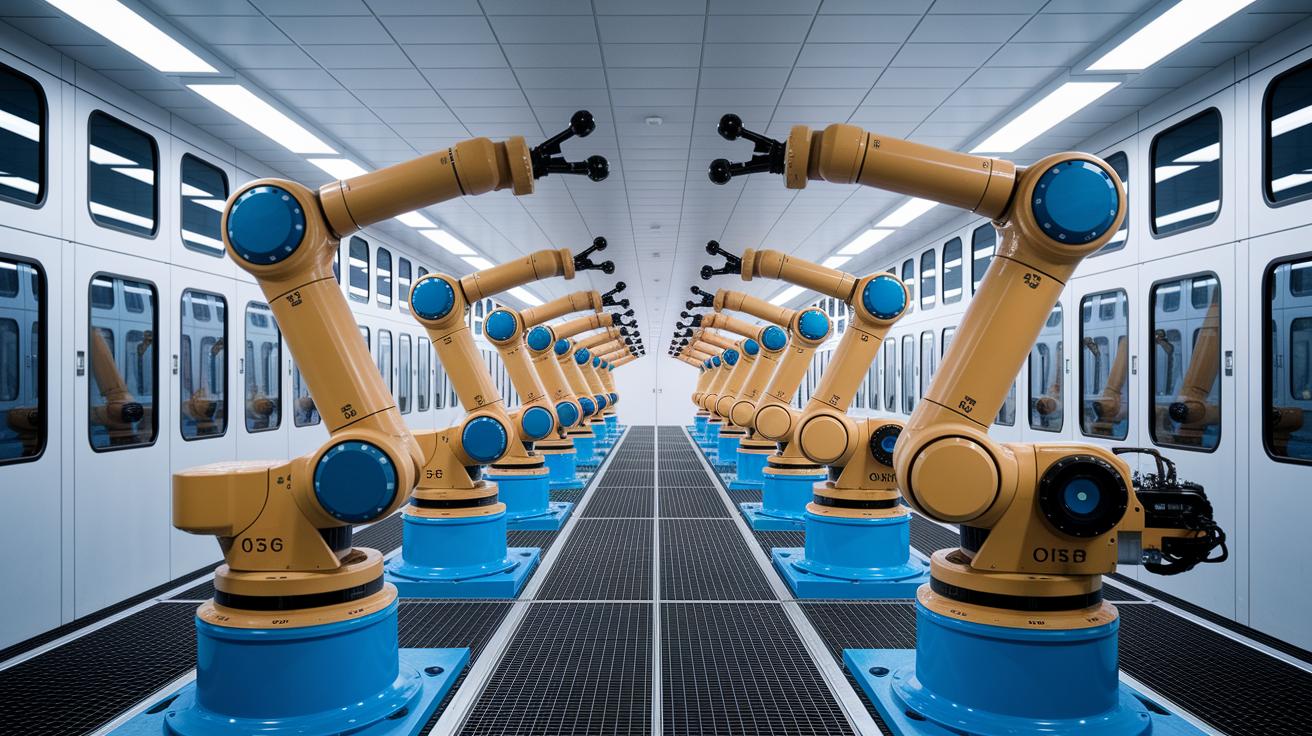
Industries are moving toward systems that pretty much run on their own, which cuts back on manual work and speeds up operations. Companies are now using robotic process automation (software that mimics human actions) to handle repetitive tasks, and new sensor technology (devices that continually gather information about the surroundings) is making constant monitoring possible in all types of settings. As a result, factories, offices, and even underwater research sites are seeing better safety, smoother operations, and smarter decision-making. In truth, traditional workflows are getting a clever update, letting systems run on their own without needing someone to watch over them all the time.
- RPA for back-office and manufacturing tasks
- Autonomous sensing devices for monitoring chemicals and bioprocesses
- AI-managed industrial robotic arms
- Underwater robots for deep-sea exploration
- Automated systems for quality control
These trends are streamlining production and offering more reliable safety checks. With enhanced automation, industries can shift their focus to high-value work and innovation while keeping pace with our fast-changing world.
Sustainability and Cleantech in Recent Technological Advances
Clean technology is on the rise. More than one-quarter of venture capital funds now support green projects. Investors are excited about new ways to power our lives while caring for the planet. For example, osmotic power systems generate electricity by using the natural salt differences in water. This process offers a gentle, clean alternative to traditional power plants.
This surge in financial support is fueling research and development, bringing renewable energy options closer to everyday use. Around the globe, people are pushing for energy solutions that are both smart and sustainable.
In farming, new advances also help our environment. Innovations like green nitrogen fixation use natural processes to produce nitrogen (a key fertilizer ingredient) with less energy. Traditional methods consume about 2% of the world’s energy, so this new approach is both cost-effective and eco-friendly. Farmers, by using precision techniques, manage resources better and help maintain healthy ecosystems.
Together, these breakthroughs in energy and agriculture are steering us toward a greener, more resilient future. It's inspiring to see communities worldwide adopt cleaner practices every day.
Medical and Biotechnological Innovations in Recent Technological Advances
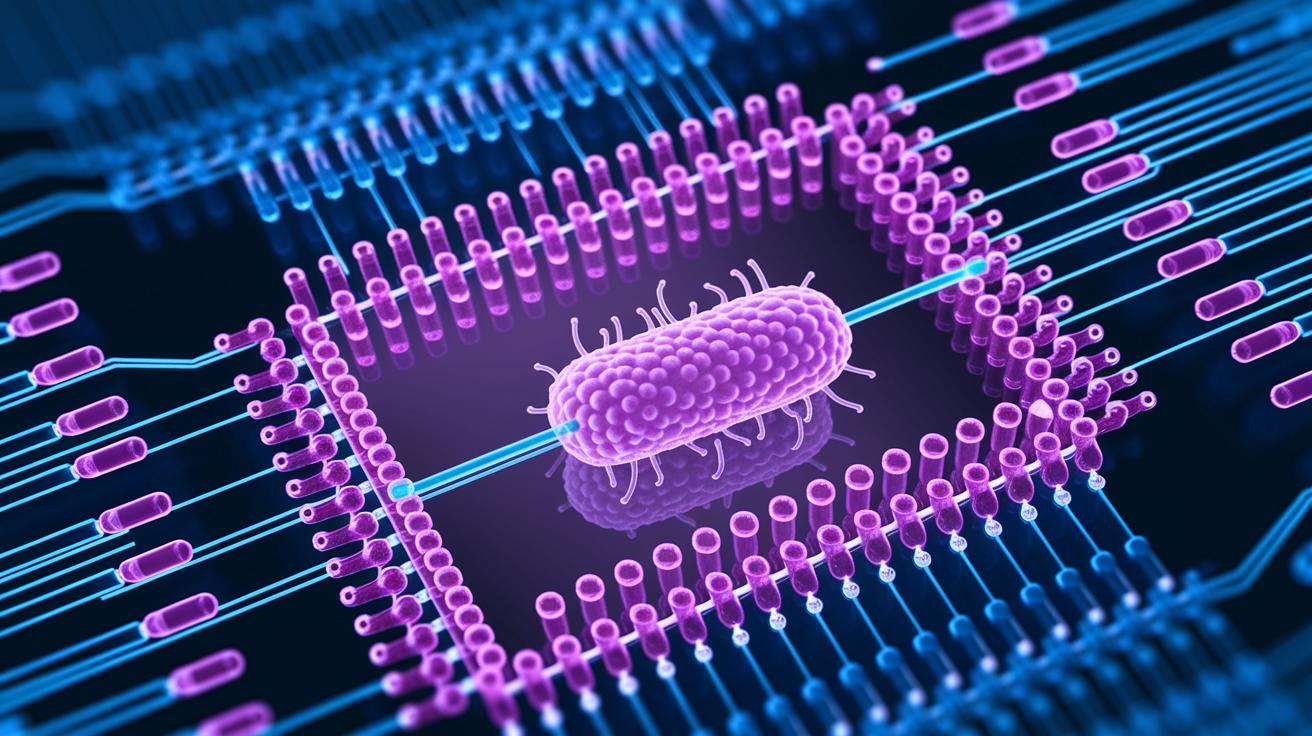
Healthcare and biotech are making big changes these days. We now see smart ideas like turning helpful bacteria (tiny living cells) into little medicine factories, using drugs originally meant for diabetes to help with brain diseases, and employing clever computer programs (AI) to spot illness early. These breakthroughs are opening up amazing new paths for doctors and patients alike.
Engineered Living Therapeutics:
Some scientists have found a way to use living bacteria to deliver medicine exactly where it's needed. They change these microbes so they act like mini drug makers. Have you ever thought about how something so tiny could be so powerful? This method could make treatments much more precise in the future.
Neurotherapeutic Applications of GLP-1:
Drugs called GLP-1 receptor agonists were first made for diabetes, but now they’re being tested on brain conditions like Alzheimer’s and Parkinson’s. Early tests show that these drugs might help brain cells function better, which brings hope for slowing down these diseases and easing tough symptoms.
AI-Driven Early Disease Detection:
Smart tools powered by AI are changing how we find diseases early on. By examining medical images and patient information, these systems can pick up on tiny signs of illness that older methods might miss. This head start means doctors can begin treatments sooner, potentially leading to better outcomes.
By blending advanced science with everyday care, these innovations are reshaping how we diagnose and treat diseases. It’s an exciting time as we watch science and medicine work together to create a healthier future.
Ethical Debates and Societal Impacts of Recent Technological Advances
Cyberattacks are getting trickier, impacting everyone from your everyday computer user to large government networks. They include everything from simple scams to organized attacks run by countries. Now, with things like generative watermarking, digital content made by AI comes with hidden markers (like secret signatures) that help tell real work from fake copies. One expert even said that adding these subtle tags gives us a fighting chance against altered media. It’s a reminder of how growing concerns about privacy and truth online are shaping our digital world.
At the same time, new rules about data privacy are coming into place to guide how AI handles our personal info. These rules help protect us in an age when advanced data analysis and smart machines sometimes feel a bit too intrusive. People are talking about how to keep technology moving forward while still protecting individual rights. Lawmakers, industry experts, and everyday folks are all part of this conversation as they look for ways to build trust and ensure everyone benefits from fast-moving tech innovations.
Final Words
In the action, we explored key areas from AI and cloud computing to IoT, quantum leaps, and green energy improvements. We also touched on breakthroughs in healthcare and robotics, alongside critical ethical questions that keep pace with rapid change. Each section sheds light on how recent technological advances are reshaping our world bit by bit. Science continues to spark insight and wonder every day, inviting us to think big and stay inspired. Keep your curiosity alive as we all learn more about the ever-shifting tech scene.
FAQ
What are recent technological advances today and in the world?
Recent technological advances refer to breakthroughs impacting multiple industries worldwide, such as faster data processing, AI improvements, and enhanced connectivity solutions that are reshaping how we work and live.
What are some top new or emerging technologies, including top 10 trends and 8 types of innovations?
Top emerging technologies cover areas like AI, IoT, and edge computing. They represent trends that drive modern innovation, showing how technology is rapidly evolving and expanding its influence across sectors.
What are the latest technologies in the software industry and computer news?
The latest technologies in the software world feature smarter cloud solutions and improved data analytics. News in computer tech also highlights advancements in high-speed processing and innovative software tools that boost performance.
What is the latest advanced technology and what developments can we expect by 2025?
The latest advanced technology combines AI enhancements, stronger IoT connectivity, and edge computing gains. By 2025, we expect even more integrated systems and increased data throughput that continue to reshape the tech landscape.
What are some current events in technology?
Current tech events include increased AI accessibility, broader 5G rollouts, new quantum computing pilots, and significant investments in cleantech and sustainability efforts, marking a time of vibrant and impactful industry changes.