
Have you ever wondered how a tiny speck, as small as a blueberry, could crash satellites flying high above us? Space debris isn't just leftover junk, it poses serious risks to our advanced technology in orbit.
Ever since humans first ventured into space, bits of old rockets and used satellites have been circling around Earth. In this post, we'll explore where these fragments come from, what they're made of, and why they matter to our everyday lives.
Get ready to discover some eye-opening facts that might change the way you look at the sky.
Defining Space Debris: Origins, Composition, and Threats
Space debris is made up of bits and pieces of human-made objects that keep orbiting Earth. These include old rocket parts, satellites that no longer work, and tiny fragments from collisions or explosions. Even a small piece, about the size of a blueberry, can hurt a satellite or spacecraft because it moves at roughly 28,000 km/h. Imagine that, a little bit of debris can have the impact of a falling anvil!
Since the 1950s, during the famous space race, we’ve launched a ton of satellites. With each new mission, more defunct objects build up in orbit. This growing cloud of material poses risks not only for satellites in use today but also for future space missions. It’s a bit like having a crowded playground where everyone’s bumping into each other.
To watch these orbiting objects, scientists mainly use radar systems based on the ground. These systems can track items bigger than 10 cm, and NASA keeps a close eye on them to keep our satellites safe. But here’s the kicker: experts believe there are over 128 million tiny particles (between 1 mm and 1 cm) floating around too. Even though these particles are hard to detect, they still pack enough energy to cause damage if they hit something.
There are a few main types of space debris:
- Expired rocket stages that have already done their job.
- Satellites that no longer function.
- Fragments that result from collisions or explosions.
No matter how small they are, all these pieces add to the risk in space by moving so fast and following unpredictable paths.
Tracking Space Debris: Detection Technologies and Monitoring Systems
Radar Detection Advancements
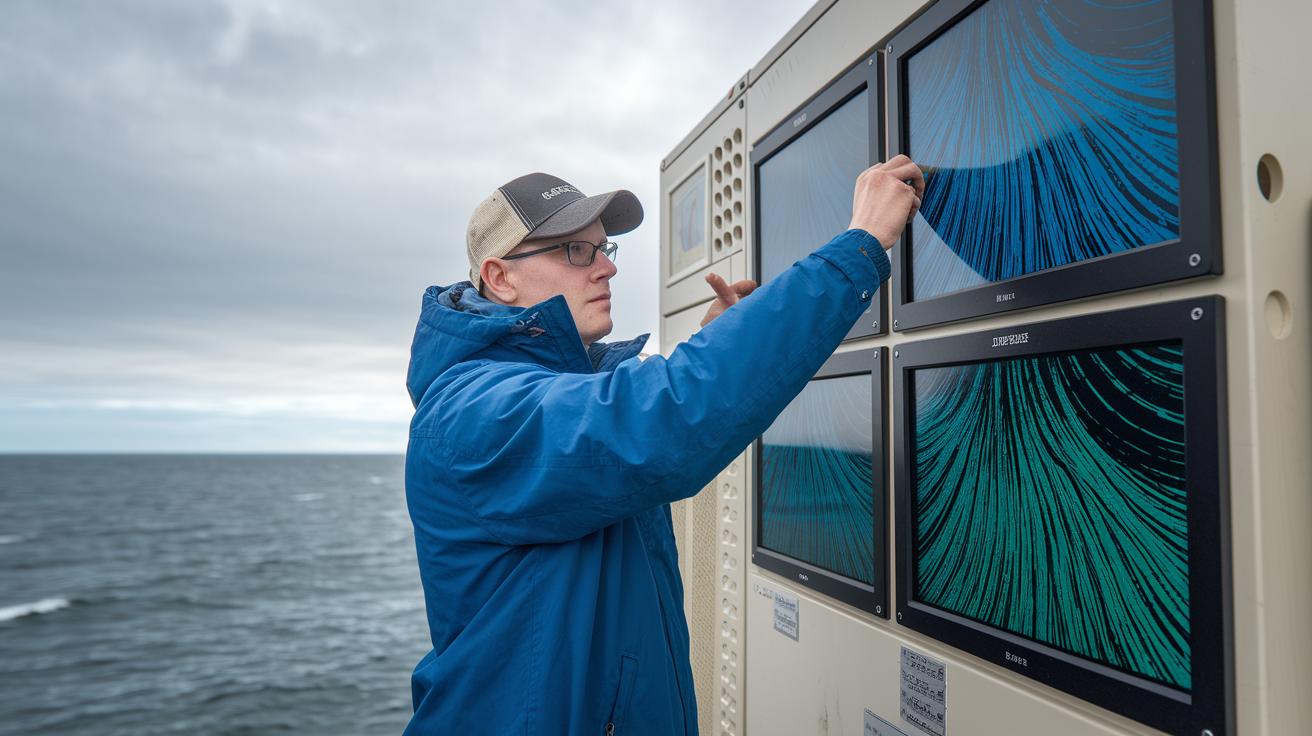
Ground radar is like the trusty workhorse in our quest to track space trash. Using S-band and X-band signals (types of radio waves), these systems usually see objects bigger than 10 cm. Today, phased-array radars have stepped up their game, scanning wider areas and even picking up objects as small as 5 cm. It’s a bit like trying to spot a tiny, speedy marble in a dim room. Back in the day, old radar systems could easily miss these minuscule bits, but now, with modern upgrades, even what was once invisible can be detected.
Laser Tracking Innovations
Laser tracking, or Lidar, brings another cool layer of detail to space debris spotting. This technology works by firing laser beams (like a futuristic light tape measure) that bounce off space junk, helping scientists gauge distances with millimeter precision. It’s handy for tracking objects between 1 and 10 cm in low Earth orbit. Think of it as using a light beam to get exact measurements of passing debris. This method fills in the gaps that radar might leave, giving us a much clearer view of the busy space environment around our planet.
Seismic Monitoring via Earthquake Sensors
A new and creative twist involves using earthquake sensors to pick up the loud "sonic booms" made when space debris reenters Earth’s atmosphere uncontrolled. These sensors usually listen for natural quakes, but they can also catch the unique sounds of debris bursting through the sky. In some surprising cases, these sensors have recorded the noise of space junk as it reenters, helping scientists learn more about its path. Although weather and background noise can sometimes interfere, this method adds a new tool to our kit, capturing details that radar and optical systems might miss.
Collision Risks in Space Debris: Impact Analysis and Avoidance
Space junk can seriously affect our satellites and space missions. One famous example is the 2009 collision between Iridium 33 and Cosmos 2251. This crash scattered more than 2,000 pieces of debris around orbit. Imagine this, a tiny fragment, about the size of a blueberry, can hit with the force of a falling heavy weight. Even a piece just 1 centimeter wide, barreling through space at 7.8 km/s (an incredibly fast speed), releases energy similar to that of a small bomb. This shows how even the smallest debris can be a big threat up there.
Debris often gathers in sun-synchronous and equatorial orbits. These areas act like crowded highways in space, where bits and pieces dodge around in unpredictable ways. The heavy traffic of satellites and other objects in these lanes creates a higher risk of collisions. And when fragments crash into each other, they break apart even more, leading to a chain reaction, what many call the Kessler syndrome.
Main collision hazards include:
- Rapid fragmentation that multiplies the number of dangerous pieces.
- Unpredictable paths of debris that make avoidance tough for satellites.
- Dense clusters of objects in some orbits, which statistically increase the chances of a hit.
These challenges highlight the need for strong tracking systems and smart predictive models. Scientists and engineers rely on data and past events (using math and history) to design ways to dodge these space hazards. By improving these models all the time, the space community works to safeguard our important spacecraft from the hidden dangers of space junk.
Managing Space Debris: Current Mitigation and Removal Programs

Lots of organizations are working hard to keep space safer for our satellites and future missions. One major effort is the Orbital Debris Expertise (CORDS) program. They use handy technical checks and modeling tools (simple computer forecasts) to tell us when space junk could become a problem. These tools act like a safety net, catching dangers before they turn into disasters. One researcher even compared it to having a weather forecast for space, warning of debris storms before they hit.
The Space Safety Institute (SSI) partners closely with launch teams to create clear safety guidelines and best practices. Their advice helps decide how to operate satellites and spacecraft in areas where debris is common, making sure operations stay as risk-free as possible.
Commercial Space Futures (CSF) brings together private companies to find smart solutions for managing space debris. By building industry partnerships, CSF encourages businesses to improve their technology and work on better ways to track and clean up debris. When these companies share ideas, they spark new and creative ways to keep space clutter under control.
A few strategic projects support these efforts:
| Initiative | Focus |
|---|---|
| Deliver Solutions for Space | Practical steps to reduce debris risks |
| Shape the Future of Space | Mapping future policies and tech improvements |
In short, handling space debris isn’t just about spotting and following junk. It’s a blend of smart technical checks, teamwork between governments and companies, and strong safety rules that work together to protect our growing adventures in space.
Innovative Cleanup for Space Debris: Active and Passive Techniques
Robotic servicer vehicles with nets, harpoons, and robotic arms are now leading the charge in cleaning up space debris. They hook onto old satellites or floating debris and gently pull them into zones where they can be safely pulled down. It’s much like a careful, high-stakes game of catch where every move counts. It’s pretty amazing, what used to seem like just a theory is now working in real life.
Other active methods, like electrodynamic tethers and magnetic separation, also show promise. These techniques use forces similar to a big, invisible magnet or natural drag that guide piles of small debris into lower orbits where Earth’s atmosphere gradually slows them down. Picture this: tiny metallic bits being nudged into safer paths, all thanks to steady electromagnetic tugging.
Meanwhile, passive strategies are stepping up too. Innovations like satellite shields help protect against impacts from smaller particles, while smart design plans for satellites include post-mission disposal orbits. In simple terms, after a satellite has finished its work, it’s guided to an orbit where it naturally burns up when reentering the atmosphere, kind of like tossing a ball into a recycling bin to keep things tidy.
Ongoing studies and tests are showing that both active and passive techniques can work hand in hand. These breakthroughs make cleaning up our orbital space a reality, keeping our skies safer for upcoming missions.
Space Debris Policy and Regulation: International Frameworks and Standards
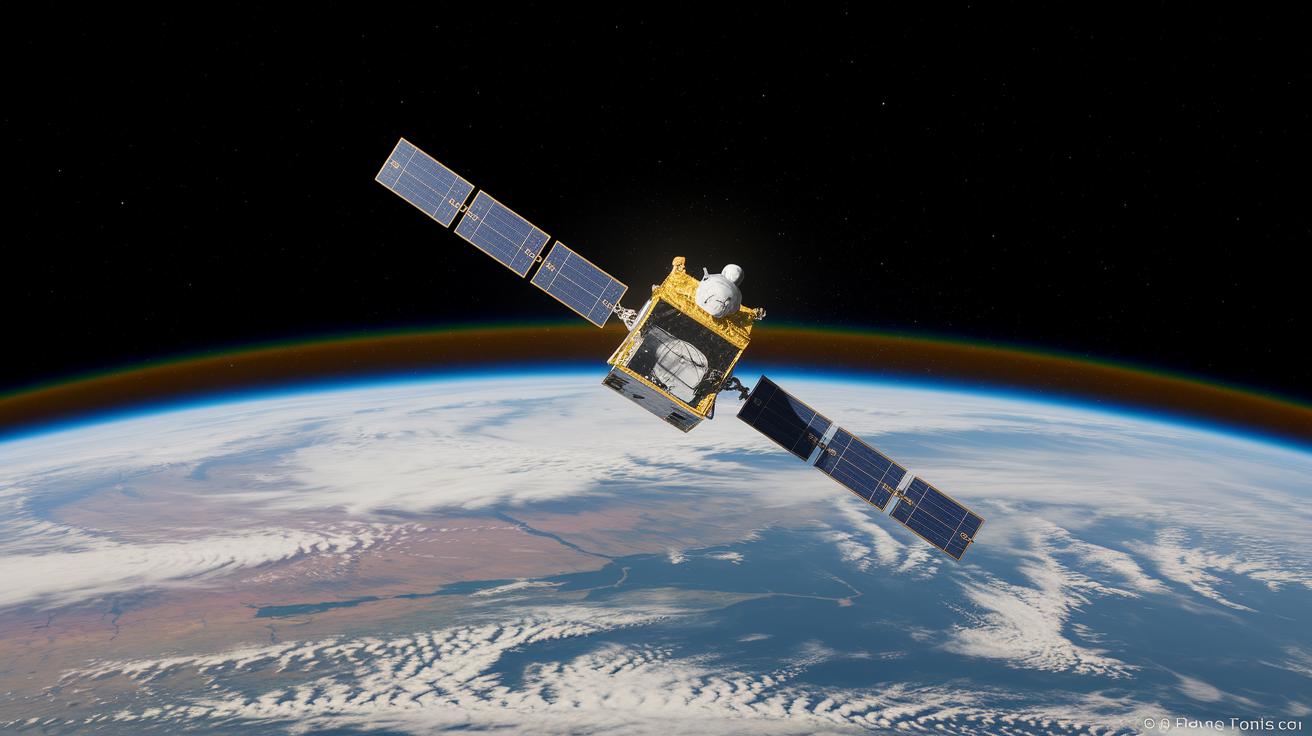
Countries around the world follow common guidelines to handle old spacecraft and space junk. The IADC Space Debris Mitigation Guidelines, supported by UN COPUOS, offer best practices (simple, agreed-upon rules) to safely dispose of spacecraft after they finish their work. One scientist even said that a smart deorbit plan works like a safety net, keeping space clear for satellites that are still in use.
National bodies like the FCC, NOAA, and ESA make sure that every spacecraft has a plan to leave orbit within 25 years after its mission ends. These rules help engineers and mission planners design projects that avoid collisions in space and protect satellites from unexpected bumps.
Around the globe, cooperation makes these policies even stronger. Countries share data and practical know-how to create better ways to avoid collisions and plan safe orbits when a mission ends. Think of it like regular check-ups at school, everyone looks over the orbital space to make sure that old or unused items are moved out before they cause any trouble.
All these international agreements, national rules, and cooperative efforts work together to keep space safe. They not only manage the risky leftovers in orbit but also lead us toward a future where all space equipment is handled with care and responsibility.
Final Words
In the action of exploring the many aspects of space debris, we unpacked its origins, tracked detection techniques, and the kinetic risks it poses. We looked at how collisions can create more fragments, discussed removal methods, and highlighted international rules guiding safe operations. This recap shows how each step plays a part in keeping our orbits safer. The progress in science and technology gives us reason for optimism as we continue to tackle the challenges of space debris for a brighter space future.
FAQ
What is the space debris?
The space debris refers to old satellites, spent rocket stages, and small fragments left in orbit that may collide with operational spacecraft, posing risks to missions and human spaceflight.
What is a space debris map?
The space debris map provides a visual layout of debris locations and densities around Earth, helping agencies and researchers track movement and plan safer paths for active spacecraft.
What is a space debris tracker?
The space debris tracker is a system that monitors defunct objects in orbit using radar, optical telescopes, and sensors, giving real-time updates on debris positions and potential collision hazards.
What is space debris removal?
The space debris removal involves methods and projects designed to clear defunct satellites, rocket parts, and fragments from orbit, aiming to reduce collision risks and keep space safer for ongoing missions.
What is a space debris game?
The space debris game is an interactive tool that simulates orbiting debris scenarios, letting players understand tracking techniques, collision risks, and cleanup strategies in an engaging, hands-on way.
What are some examples of space debris?
The space debris examples include defunct satellites, spent rocket stages, and small fragments from collisions, all of which create hazards for active space assets while orbiting Earth.
Is space debris a problem?
The space debris is a problem because its fast-moving fragments can collide with satellites and spacecraft, increasing risks for damage that could disrupt essential services and space missions.
What does NASA do about space debris?
The space debris management at NASA involves using radar and optical systems to track debris, researching collision risks, and developing guidelines to protect spacecraft and maintain a safe orbit environment.
What are space debris removal projects?
The space debris removal projects include initiatives that use robotic servicers, electrodynamic tethers, and other technologies to capture or deorbit unwanted objects, thereby reducing collision risks in orbit.
What is the 25 year rule in space?
The 25 year rule means that defunct satellites must re-enter Earth’s atmosphere within 25 years after their missions end, a measure intended to limit long-term accumulation of space debris.
What is the current status of space debris?
The current status of space debris shows that millions of fragments, ranging from large objects to tiny particles, are tracked with advanced systems as scientists continually assess collision hazards.
Has space debris ever hit anyone?
The space debris has not hit people directly; however, high-speed debris has damaged satellites and occasionally resulted in pieces falling to Earth, typically in remote areas without harming anyone.