
Have you ever stopped to wonder if our communities can beat extreme weather? When heavy rains, wildfires, or blistering heat hit, quick decisions keep us safe. We’re now using clever ideas like updating flood maps (charts that show areas at risk of flooding) and new building rules to cut damage and protect our neighborhoods. Stories from local areas remind us that smart choices today can keep our homes, roads, and food supplies safe tomorrow. This article shows how daring, new approaches to adjusting for climate can guide us toward a safer future, even as nature brings bigger challenges.
Climate Adaptation: Bold Methods Drive Success
Climate adaptation means adjusting our communities to deal with the tough challenges of extreme weather. When you hear about scorching heat, heavy floods, rising seas, long droughts, or wildfires, it’s clear that millions are affected. Unfortunately, people in low-income and minority groups often get hit the hardest. The science behind these changes shows that outdated flood maps and old building standards leave many areas at risk.
Turning these issues into solutions means updating the tools we use every day. Community leaders can start by refreshing flood maps, modernizing building codes, and planning for severe weather events. With smart risk management, we can transform dangerous data into practical blueprints. Simple actions like reinforcing buildings and using natural barriers can protect important places like food centers, public transit lines, and water supplies.
It’s really exciting to see how science meets community needs through resilience planning. When systems are built to both stand up to and bounce back from severe weather, they help everyone recover faster. Regular risk checks and proactive care of our homes and local spots make a big difference. In places prone to floods or wildfires, quick-response plans paired with today’s forecasting tools can significantly cut down on damage.
Preparing for extreme weather also means gearing up local leaders for action before any warning signs appear. This might involve updating early-warning systems or reorganizing emergency teams. With a well-integrated risk strategy, we not only save lives but also lessen economic hits, ensuring our communities keep thriving even when nature gets unpredictable.
Adapting Agriculture: Strategies for Food Security and Rural Resilience
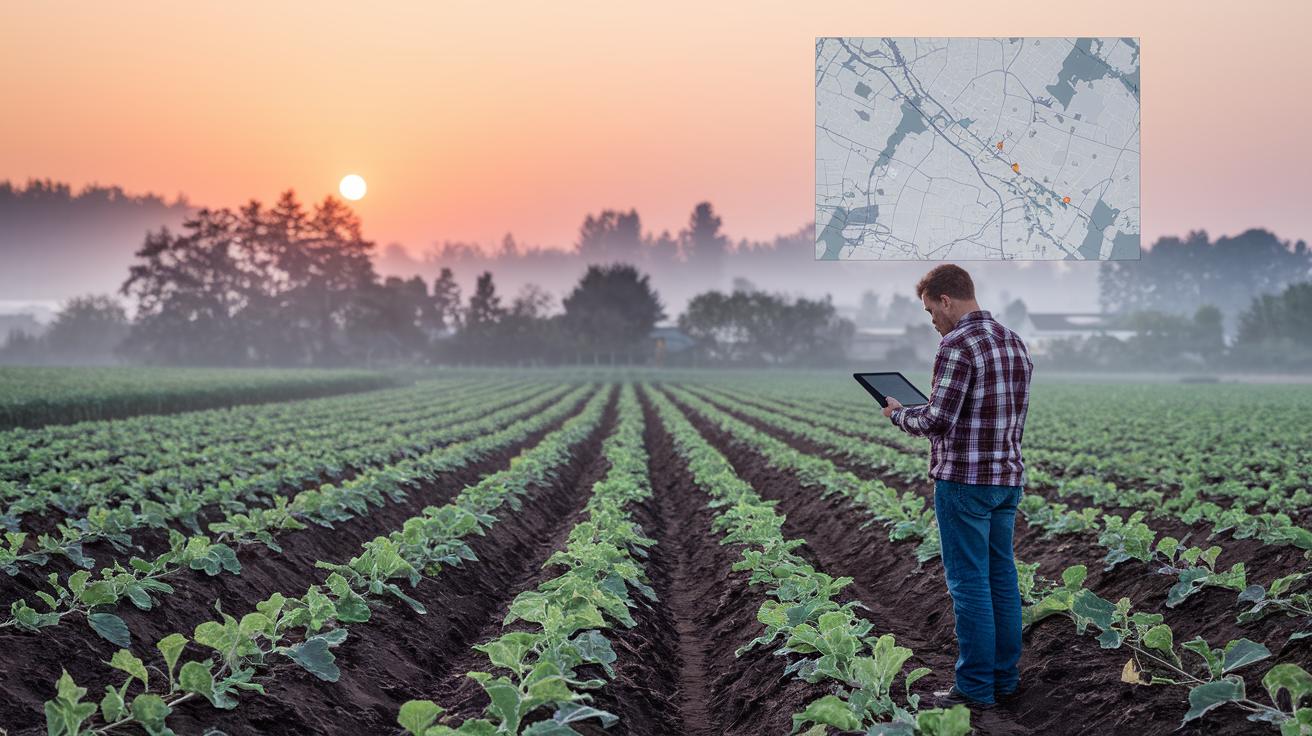
Farmers are really feeling the pressure from rising temperatures and changing rain patterns. As weather shifts, crops might not grow as well, and soil can lose its strength. This makes keeping food on our tables a tougher task. To tackle these hurdles, rural communities are mixing old farming wisdom with fresh scientific ideas.
Digital Innovations in Agricultural Adaptation
Imagine knowing the perfect moment to plant your seeds because of cool weather tech. Tools like remote sensing (using satellites to watch over our planet) and precision forecasting (detailed weather predictions) help farmers plan ahead by spotting trends with great accuracy. These smart methods, part of the Food Security Program, guide planting decisions and even trigger early-warning alerts when problems arise. One farmer said, "With better forecasts, my harvest had fewer surprises." This kind of innovation is changing how communities work to secure a steady food supply in the face of climate change.
Drought-Resistant Crop Programs
In areas where water is scarce, programs like Kimplanter Seedlings & Nurseries are a real game changer. They offer local farmers plants that are built to thrive in dry conditions. Many say that switching to drought-resistant crops not only secures yields but also keeps the soil healthy. A local grower remarked, "Switching to these new plants has made all the difference during dry spells." By blending time-tested farming practices with clever new techniques, communities are building the strength they need to ensure food security even as the climate keeps evolving.
Strengthening Infrastructure and Urban Resilience
Urban communities face big challenges from extreme weather and a changing climate. Many still rely on old flood maps and outdated building methods. For example, coastal flooding is growing as climate changes affect our shores, a clear sign we need stronger, smarter building practices.
In 2021, national investments turned a corner in how we protect our cities. The Bipartisan Infrastructure Law set aside $47 billion to help communities brace against harsh weather. These funds upgrade our roads, bridges, and public spaces with a mix of solid engineering and nature-inspired solutions. One example is the Gambia Port Authority, which revamped its critical logistics facilities to be more storm-resistant.
In Canada, coastal towns blend man-made seawalls with natural wetlands restoration. Seawalls help block storm surges, while wetlands act like sponges, soaking up extra water. This practical combo not only guards neighborhoods from rising seas but also boosts overall urban design. Planners are rethinking everything, from full overhauls to small, smart tweaks, to keep our cities safe and vibrant.
Local governments and builders are also making safer, more climate-smart choices. New projects now feature energy-efficient systems, better drainage, and surfaces that reflect heat. Many areas even use smart sensors that monitor real-time weather and building responses, ensuring quick action when needed.
All these efforts show that with careful planning and a mix of tough and flexible fixes, our cities can become safer places that keep community life thriving even as our climate changes.
Adapting Water Management to Climate Variability

Communities today are facing unpredictable rain patterns and regular water shortages. New federal and state rules are pushing us to use smarter products, equipment, and building techniques so we can make every drop count, even when water is scarce.
Cities like Rotterdam are really showing us the way. They’ve added rainwater storage tanks that do more than just hold water and created green corridors on streets. Picture a street with lovely green sides that help guide rainwater away from buildings, easing floods while adding beauty to the urban scene. These smart ideas collect extra water during heavy rains and save it for dry spells.
Another neat trick is better stormwater retention. By using tactics like water-efficient landscaping (gardens that need less water), we can capture and reuse rainwater instead of letting it vanish. City planners mix these natural methods with careful risk management to build communities ready for both heavy storms and dry weather.
By combining new policies with nature-based fixes, we all work together to protect our water. Thoughtful planning and adaptable infrastructure help keep a steady water supply for everyone.
Local leaders are now exploring ways to conserve water too. They’re upgrading equipment, updating design rules, and planting more trees and vegetation. These steps help safeguard water systems in both cities and rural areas, ensuring water will be available for the future.
Community-Led Climate Adaptation Initiatives
Local leaders are stepping up to tackle climate challenges. City officials and community organizers are now making important decisions for their own neighborhoods. They use local data to complete Climate Vulnerability Assessments in places like Atlanta, Chicago, Denver, Los Angeles, and San Francisco. These checks map out risks using information from right where people live, helping to design fair and safe solutions for everyone. One community leader said, "By using our own neighborhood’s data, we can plan steps that truly fit our needs."
In Mongla, Bangladesh, residents teamed up with local government to create plans for adapting the town. This hands-on approach made sure every voice was heard. Imagine a town meeting buzzing with ideas, someone suggests, "We need more green spaces to cool our streets," and another adds, "Yes, and let’s improve our drainage so every home feels safer in floods." This kind of lively conversation brings out solutions that match local traditions, resources, and challenges.
Working together like this not only makes sure ideas are practical, it also helps communities grow stronger and more self-reliant. Local experts spot problems quickly and try out ideas that actually work. By trusting what people know best and collaborating with different groups, both city and rural areas are building plans that keep up with our changing climate.
Policy and Finance Mechanisms for Climate Adaptation

Local and national leaders are using policies and money tools to help communities get ready for extreme weather and climate changes. Governments and banks mix grants, loans, and fresh financial ideas to fund projects that protect us all. For example, Canada has set up a $1.6 billion Disaster Mitigation and Adaptation Fund to improve both natural and built areas so they can handle floods, wildfires, and drought. And in Africa, a program called ADRiFi offers early financing to cover insurance costs, easing the money stress before a disaster strikes.
These funding tools help close immediate money gaps while also promoting long-term strength. Investors love green and climate bonds because they back sustainable projects and can earn returns. New financial models combine public funds with private investments, sharing risks between different groups. There are also risk-pooling insurance plans that spread the cost of disasters to help communities recover faster. Plus, forecast-based financing links weather predictions (advanced forecasts that tell us what to expect) with pre-set funds, so money is ready before serious damage occurs.
Top 5 Adaptation Finance Instruments:
- Government grants and subsidies
- Green bonds and climate bonds
- Combined public and private funding partnerships
- Risk-pooling insurance plans
- Forecast-based financing
In short, these finance tools work with smart policies to lower money barriers. With a clear and well-funded plan, community leaders, planners, and engineers can get the resources they need to improve infrastructure, protect public health, and keep local economies stable, even as our climate continues to change.
Comparative Case Studies in Climate Adaptation
Communities around the world are trying different ways to deal with climate change. In the UK, for example, the Thames Barrier is a well-known solution built to stop storm surges. This barrier has kept dangerous tides at bay, protecting 1.3 million people and saving assets worth £275 billion.
Over in Africa, ADRiFi is using smart financial tools to help countries prepare for disasters. Their market-based risk-transfer methods (which move risk to those who can handle it) open new doors for financial support when times get tough.
In the Netherlands, the idea called Room for the River puts nature to work. By widening floodplains so water can spread during heavy rains, communities have seen a 70% drop in flood damage. Meanwhile, in the Philippines after Typhoon Ondoy, local teams led housing projects where residents helped design safer homes. This community approach has helped rehouse 5,000 families and shows that involving people in planning can make a big difference.
In Australia, Endeavour Energy is using advanced mapping methods with tools like GIS (geospatial mapping, which uses digital maps and data) to fine-tune their power grid. With these data-backed changes, they've reduced bushfire-related power cuts by 30%, benefiting 2.4 million customers.
Each project shows that while climate change brings similar challenges, responses vary based on local risks, resources, and community needs.
| Project Name | Location | Main Adaptation Strategy | Impact |
|---|---|---|---|
| Thames Barrier | UK | Storm surge protection | Protected 1.3 M people, saved £275 B in assets |
| ADRiFi | Africa | Financial risk management | Opened market support for 20 countries |
| Room for the River | Netherlands | Widened floodplains | Reduced flood damage by 70% |
| Resilient Homes (Ondoy) | Philippines | Community-driven housing | Rehoused 5,000 families |
| GIS Bushfire Management | Australia | Data-guided outage planning | 30% fewer power cuts |
Future Directions: Innovation and Monitoring in Climate Adaptation

Forecast-based financing mixes smart weather predictions with pre-set funds. This means money is ready to help before a major event strikes. For example, an early-warning system can alert community leaders about an approaching storm to give them time to plan.
Digital twins and real-time monitoring bring a fresh twist to managing our cities and natural areas. Imagine seeing a digital copy of your town that shows how roads, buildings, and parks would stand up to extreme weather. These digital models let communities run simple tests (stress tests that help see how structures hold up) to plan for different weather surprises.
Projects like CREWS lead the charge by setting up early-warning systems that meet local needs. Their work even includes alerts that consider gender and community specifics, making sure every area is looked after. As more green technology spurs new ideas, planning for possible future scenarios and careful environmental watching will help build communities that are both smart and safe.
Final Words
In the action, we explored how communities counter climate challenges using smart moves in agriculture, urban infrastructure, and water management. We saw community-led projects, adjustable finance tools, and real-life case studies shaping local resilience. Each example shows that climate adaptation isn't just a plan but a living effort to secure a safer future. It’s inspiring to witness practical measures improving everyday life. Stay curious as science continues to spark creative solutions in our world.
FAQ
What are some examples of climate adaptation?
The examples of climate adaptation include strengthening flood defenses, modernizing infrastructure, using digital agriculture tools, conserving water, and engaging community-led projects to reduce climate impacts.
What are key strategies for climate adaptation?
The key strategies focus on assessing climate risks, updating infrastructure, adjusting farming methods, enhancing water management, and empowering local communities to build resilience against climate hazards.
How do climate adaptation and mitigation differ?
The difference is that climate adaptation adjusts systems to live with climate impacts whereas climate mitigation reduces factors that worsen climate change by lowering greenhouse gas emissions.
What is the Climate Adaptation Game?
The Climate Adaptation Game is an interactive simulation that lets users test various strategies for preparing communities for extreme weather events and other climate risks in a practical way.
How does climate adaptation work in agriculture?
In agriculture, climate adaptation uses digital tools like remote sensing and precision forecasting, along with drought-resistant crops, to help farmers adjust planting and secure food production under changing weather conditions.
What does the IPCC say about climate adaptation?
The IPCC emphasizes the need for planning to handle extreme weather, updating policies and infrastructure, and building overall resilience to climate impacts through targeted adaptation measures.
How is the United Kingdom addressing climate adaptation?
The United Kingdom is updating flood maps, modernizing infrastructure, and adopting integrated approaches that combine hard defenses and nature-based solutions to better protect communities from climate impacts.
What are some synonyms for climate adaptation?
Synonyms for climate adaptation include climate adjustment, resilience building, and adaptive management, each describing efforts to change systems in response to climate impacts.