
Have you ever wondered how NASA gets astronauts ready for space? NASA’s team of engineers works on every little detail to make sure everything is perfect. For instance, the Crew-12 mission is scheduled to lift off on February 10, 2026, and Artemis II is coming up next.
They line up all the important dates and run technical tests (steps they take to check that each piece of equipment works safely) so that every flight is secure and reliable. It’s amazing how planning and careful work come together to make these incredible missions possible.
NASA launch schedule and key mission dates
NASA is busy getting ready for some big missions, and you can really feel the excitement in the air. Right now, all eyes are on the Crew-12 mission. Picture an engineer spending long hours checking every single detail because even the smallest error could change everything. This care for precision and safety has defined NASA’s approach as they prepare to send astronauts back into space.
Crew-12 is set to blast off on Tuesday, February 10, 2026, from Cape Canaveral Space Force Station. It will ride into space on a Falcon 9 rocket with the Dragon capsule, a setup that has become almost as familiar as your favorite ride at the park. Not far behind is Artemis II, with a launch window targeted for March after a successful fuel test on the SLS and Orion stack right at Launch Pad 39B.
The mission timeline runs from late 2023 into early 2026 and includes key dates like February 9, 11, and 12 as well as several important events in January. Think of these dates as the checkpoints that keep everyone, from the engineers to the controllers, on track. They use interactive countdown trackers and schedule overviews to monitor every second, making sure that all pieces of the big space puzzle fit together perfectly when liftoff time comes.
Technical insights on spacecraft ignition and booster systems for nasa launch
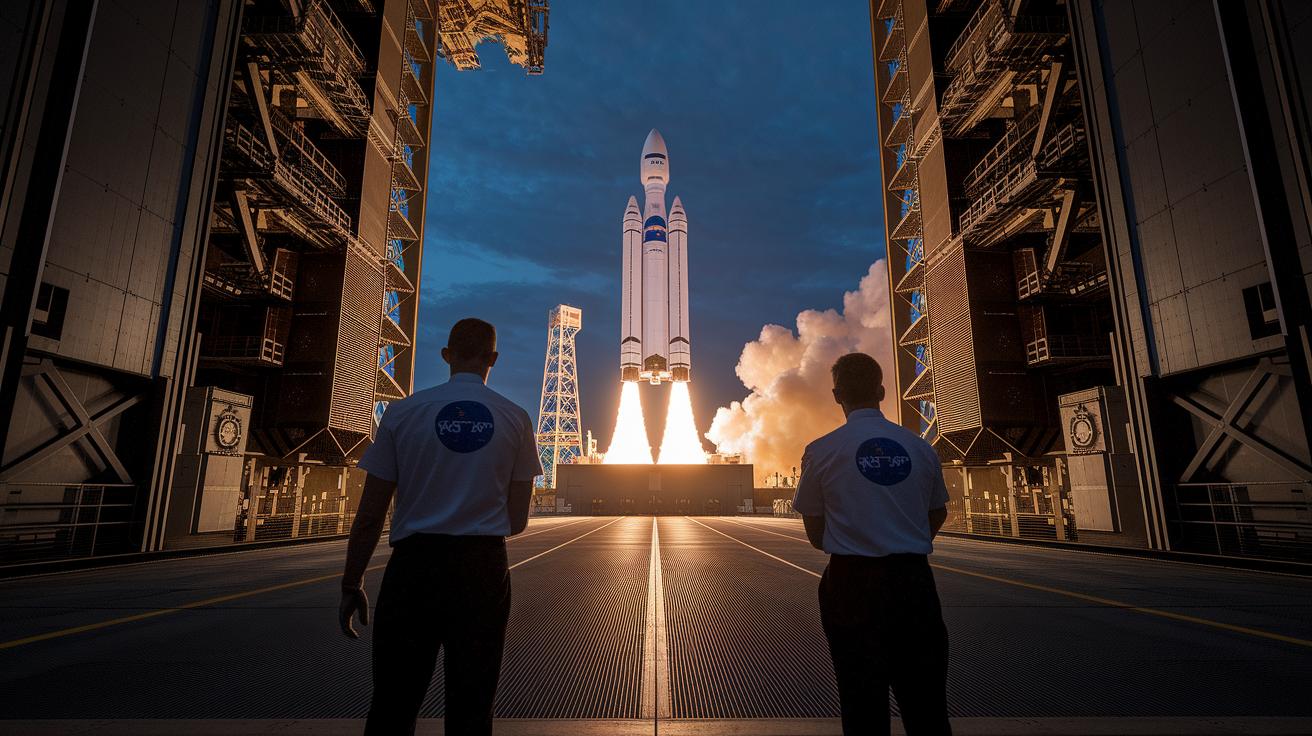
At Kennedy Space Center’s Pad 39B, NASA ran tests on the RS-25 engine by giving it a hot-fire check as part of the Artemis II fuel test. Engineers carefully mimicked Orion’s fueling steps to make sure every part of the spacecraft’s fuel system works just right before the mission. Imagine technicians watching over every valve and sensor as the engines warm up, creating a deep, controlled rumble that says, “We're ready!” This hands-on test shows that every detail matters when preparing for a deep space mission.
For the Crew-12 mission, the launch plan is all about perfect timing and safety. At the very moment of launch, the Falcon 9’s first stage fires up nine Merlin 1D engines at once, giving it the strong push needed to lift off. Then, just two minutes into the flight, a careful stage separation happens so that the second-stage engine can take over and keep the Dragon capsule moving. It’s a bit like shifting gears in a smooth-running car, every second counts, and everything must work in perfect sync. This step-by-step ignition and separation process comes from lots of testing and tweaking, ensuring each part of the spacecraft performs reliably right after liftoff.
Across these different rockets, engineers keep improving how well the engines work by using the latest in onboard computer systems (advanced tools that help control rocket performance). Every test, from the RS-25 hot-fire checks to the Merlin engine ignition, sends data into performance systems that guide engineers in fine-tuning the control software. These insights help create a smooth and reliable flight path, making sure every piece of the rocket supports the mission with high precision.
NASA launch control operations and live coverage details
NASA makes it easy for you to experience liftoff like never before. With NASA Live streams and the NASA+ video series, you can watch every thrilling moment as it happens. They also offer official podcasts and specialized audio channels that give you real insights straight from the control room. And if you prefer social media, NASA keeps you updated on Twitter, Facebook, and Instagram, imagine having a backstage pass where you can hear real voices discussing the mission in real time.
Interactive tools are right at your fingertips, making it simple to track the mission as it unfolds. NASA’s mobile telemetry dashboards and interactive countdown clocks let you see live data at every stage of the launch. A real-time update feed works with these tools to give you immediate insights into the countdown and other important details. This mix of hands-on technology and live coverage means that everyone can keep up with the mission in a clear and engaging way.
Artemis II mission preparation and nasa launch integration
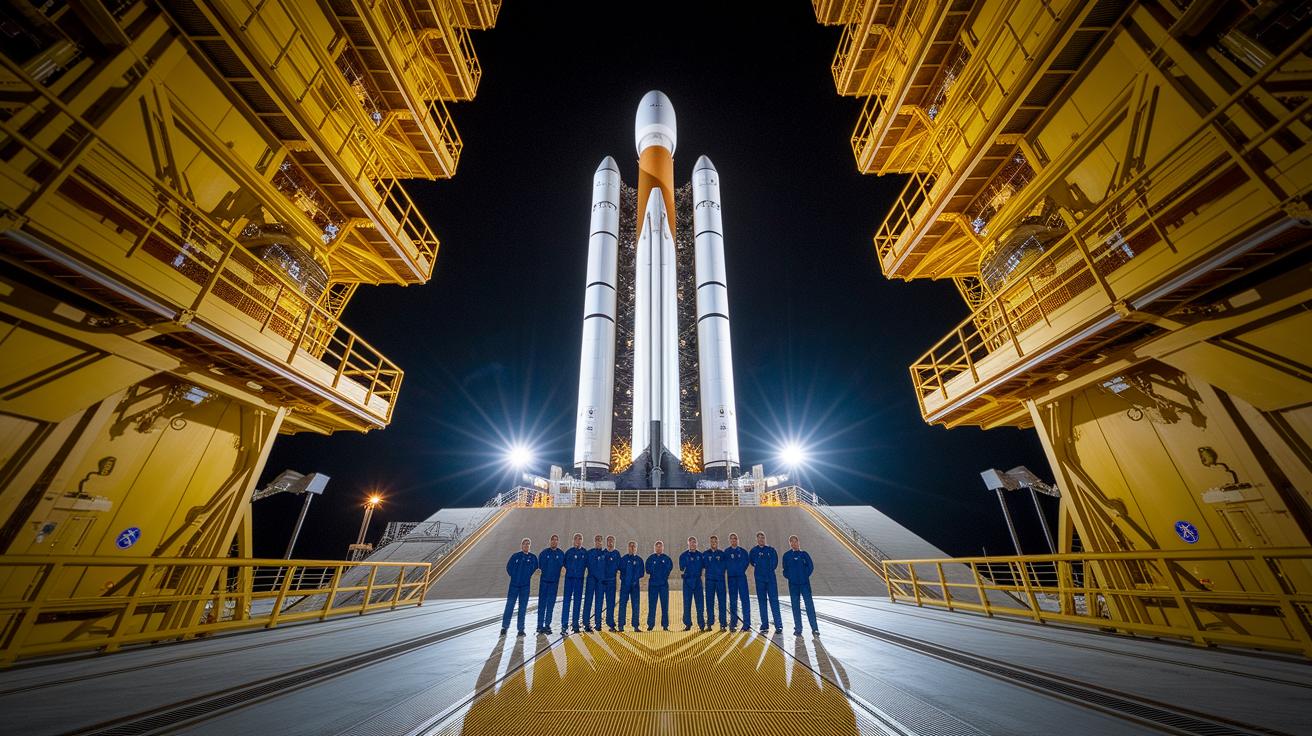
NASA is busy preparing for Artemis II with teamwork and careful planning. The crew has been training hard, running through emergency drills and polishing spacecraft procedures. At Kennedy Space Center's Pad 39B, engineers held a full dress rehearsal where they practiced fueling operations and safety checks to nail every detail of the countdown. Meanwhile, Orion’s service module is loaded with exciting experiments and cutting-edge tech tests that will stretch our science and engineering skills. Back on the ground, teams work closely with engineers to check that every system runs smoothly. They review mission milestones and match intricate design plans with strict safety rules, all to ensure everything is set for launch.
As the March launch target approaches, every detail becomes crucial, from pad clearances to fueling schedules and the precise timing of the launch window. Ground controllers map out each step clearly, from getting pad clearance to coordinating the timed fueling that powers the giant SLS core stage. Every countdown tick is planned to keep the mission steady, with teams ready to adapt if conditions change. This careful planning shows just how well NASA manages many interlinked tasks at once.
| Task | Description | Target Date |
|---|---|---|
| Wet Dress Rehearsal | Practice fueling and countdown procedures | January 2026 |
| Artemis II Fuel Test | RS-25 hot-fire engine check | December 2025 |
| Crew-12 Launch Prep | Falcon 9 systems checkout | February 10, 2026 |
| USSF-87 Mission Prep | Vulcan SRB verification | Q1 2026 |
Historical context and significance of nasa launch milestones
NASA started its adventure back in the 1960s with the Mercury and Gemini programs. These early missions set the scene for the famous Apollo Moon landings and took place during a time when the space race with the USSR was heating up. Back then, each launch was a bold step into the unknown, paving the way for all the cool space innovations we see today.
Then came the Space Shuttle era from 1981 to 2011. These missions introduced reusable spacecraft that changed everything. The Shuttle flights showed us that science can be both daring and repeatable. They laid the essential groundwork for today’s Artemis program, which is all about pushing our boundaries even further.
Today, NASA’s milestones sit alongside amazing efforts from around the globe. For example, Arianespace launched Ariane 64, and Russia wrapped up its last Proton-M mission using Elektro-L No.5. International teams are constantly testing new limits, and private companies are also joining in with solid-propulsion tests and next-generation launch vehicles like PLD Miura 5 and Rocket Lab Neutron fairings. These advancements highlight the long-lasting benefits of space exploration, from sparking fresh technology to inspiring community progress.
Every one of these steps reflects a spirit of innovation that goes beyond borders, uniting people across the world in a shared love of discovery. Isn't it exciting to think about what the future holds as we continue to explore space together?
Final Words
In the action, this article took a close look at the detailed schedule of upcoming missions, from the crisp timeline of key dates and live control updates to the intricacies of spacecraft ignition and booster systems. We traced steps from practical pre-launch rehearsals to real-time mission countdowns, making science accessible and engaging. Each nasa launch cycle reminds us there’s always something new to explore, fueling our curiosity and excitement for where space science takes us next.
FAQ
Frequently Asked Questions
What is today’s NASA launch schedule and timing?
The NASA launch schedule today shows upcoming missions like Crew-12 with planned dates and times. Live updates and countdowns are available on NASA’s website and social media for accurate timing.
How can I watch NASA launch live today?
The NASA live broadcast streams the launch on NASA Live, the NASA app, and official social channels. Interactive countdowns and telemetry dashboards offer real-time tracking during the mission.
What are the details of NASA Crew-12 and SpaceX Crew-12 launch?
The NASA Crew-12 mission uses a Falcon 9 rocket and Dragon capsule from Cape Canaveral. It starts with nine Merlin engine ignitions, followed by stage separation and detailed pre-launch testing.
What is NASA’s next moon launch?
NASA’s next moon launch is part of the Artemis II mission, following successful fuel tests and safety checks. The mission targets a March launch window to advance lunar exploration and science experiments.
What did NASA launch recently?
The recent NASA launch involved the Crew-12 mission, which features a Falcon 9 rocket and thorough system validations. This mission marks a key step in ongoing crew transport and space exploration efforts.