
Could the same forces that warm our planet also point us toward a brighter future? Our day-to-day activities pump extra carbon into the air, almost like piling on another layer to an already warm blanket. This extra carbon makes our world feel hotter, but new signs hint that we might be on the verge of change.
In this discussion, we'll look at how the changes in carbon emissions are not just a warning signal but also a call to invent smart and promising solutions. Even the challenges we face with warming can help guide us to cooler, more hopeful days.
The Science of Carbon Emissions and Climate Change
Every day, our activities add a lot of carbon dioxide (CO₂) and other heat-trapping gases to the air. A CO₂ molecule is made of one carbon atom and two oxygen atoms, and it ends up being almost two thirds of all the gases that trap heat. Imagine setting up two soda bottles under a heat lamp, one with normal air and one filled with CO₂. You’d notice that the CO₂ bottle heats up faster, just like a warm blanket that holds in heat. Tests even show that the CO₂-filled bottle always gets warmer, proving that even a small amount of CO₂ can stand in the way of escaping heat.
Since the Industrial Revolution, we have started burning fossil fuels for energy and transportation, which has sent lots more CO₂ into the air. Before factories and cars took over, natural greenhouse gases kept a nice balance, holding the planet at around 15°C (59°F). Without these gases, Earth would be as cold as –18°C (0°F)! This striking difference shows just how important the natural greenhouse effect is for life. But when extra CO₂ gets added, it tips the balance in ways that heat our planet too much.
Scientists believe that if we continue putting out CO₂ at our current rate, global temperatures could rise by as much as 4°C (7°F) by the end of this century compared to before industrial times. This strong link between CO₂ levels and rising temperatures clearly shows that carbon emissions are a major driver behind climate change.
Trends in Atmospheric CO2 Levels and Global Emission Patterns
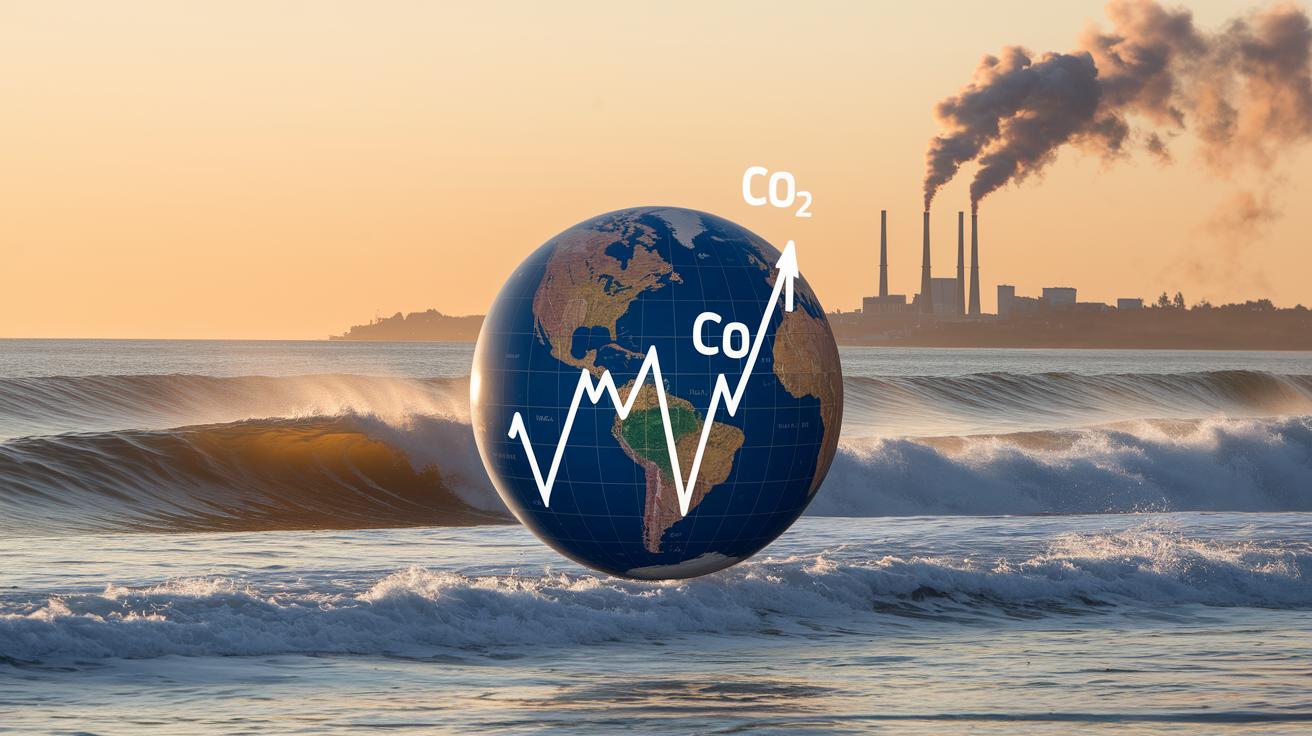
Over the past fifty years, burning fossil fuels and running heavy industries have sent more CO₂ into our air. Data from the HadCRUT study, which collects temperatures from the air and the sea around the world, shows that as CO₂ levels rise, the planet gets warmer too. Scientists see that in many areas, these emissions are still climbing and haven't leveled off yet.
From 2000 to 2020, CO₂ emissions more than quadrupled compared to the previous two decades. Think of it like a small stream turning into a rushing river. This huge jump shows just how quick our industrial actions are warming the Earth. When we adjust each country's numbers to include the CO₂ tied to goods they trade, it becomes clear that some places have a higher per-person impact. A country might seem to have low emissions at home, but the picture changes when you count imported products too.
All of this highlights the urgent need for countries to reach net-zero emissions. With fossil fuels still in heavy use, we face the challenge of slowing this trend before more changes in our atmosphere lead to even harsher global warming effects.
Carbon Emissions and Climate Change Spark Optimism
Most of the carbon emissions heating up our planet come from what we do every day. We burn fossil fuels like coal, oil, and gas to power our homes, cars, and factories. In the old days before the Industrial Revolution, things like volcanoes and wildfires produced gases, but nature could absorb them. Since then, rapid industrial growth has thrown off this balance.
Energy production is the number one source of these emissions. Next in line are transport and different industrial processes that give us our modern conveniences. Even farming and changes in land use add to the problem by releasing gases like methane (a gas that warms the Earth more than CO₂) and nitrous oxide, though CO₂ is still by far the most common.
Interestingly, some countries seem to have lower domestic emissions because they outsource their manufacturing. So, when you look at what people actually consume, the global picture can look different. The big spike in fossil fuel use since the year 2000 shows just how industrial our lives have become.
That said, there’s real hope. Knowing exactly where these emissions come from means that policymakers and innovators can zero in on fixing the issue with targeted actions and smarter solutions. The shift to cleaner technologies and better practices is already starting to make a difference.
Climate Impact Analysis of Carbon Emissions on Environment and Health

CO₂ levels are rising and upsetting our planet’s natural balance. This extra carbon dioxide traps more heat, warming our world faster than before. That extra warmth melts sea ice and glaciers, causing sea levels to rise. Imagine a little island losing inches of its land – each extra inch can mean loss of homes and jobs.
Warmer weather also brings stronger heat waves and wild weather. These changes can make people suffer from heat stress and worsen breathing problems. Researchers find that when temperatures suddenly jump, more people, especially the elderly and young children, can get seriously sick.
The oceans are feeling the change too. Warmer water can shift the way fish and other sea creatures behave. This change can upset local fisheries that many depend on. Also, the warmer air holds more water vapor, which makes the planet warm up even more – creating a cycle that's hard to break.
If we don't cut down on CO₂ emissions, these problems will only get worse. Our food, water, and health are all on the line. Taking even small steps to reduce emissions is like putting up a safety net for our planet and our communities.
Emission Reduction Strategies and Carbon Sequestration for Climate Change Mitigation
We can cut down carbon emissions by using less fossil fuel in power, transport, and industry. One great way to do this is by turning to renewable energy. Think about swapping out an old furnace with a modern, energy-saving system that uses clean power. It not only warms your home but also helps cool our planet.
Improving how we design our buildings and upgrading them for energy efficiency can really make a difference. Switching cars and buses to electric power is another practical choice. These simple changes mean we use less fossil fuel and send less CO₂ into the air. For example, when schools update their old systems with smart energy technology, they cut emissions and save on energy bills.
Nature has its own tricks too. Planting more trees, whether in areas where forests once grew or in new places, captures load after load of carbon. In other words, forests work like huge sponges, soaking up carbon before it warms the Earth.
Carbon credits also offer a helpful boost. These work like little vouchers, showing that a project, say, setting up a solar park or improving industrial processes, has cut down CO₂ emissions. And new tech for capturing and storing carbon is coming along too, even though it still needs to become cheaper.
When we put all these strategies together, we see a bright path ahead. They give us hope that we can breathe easier and keep our climate in balance.
Policy Reform and International Climate Action on Carbon Emissions and Climate Change
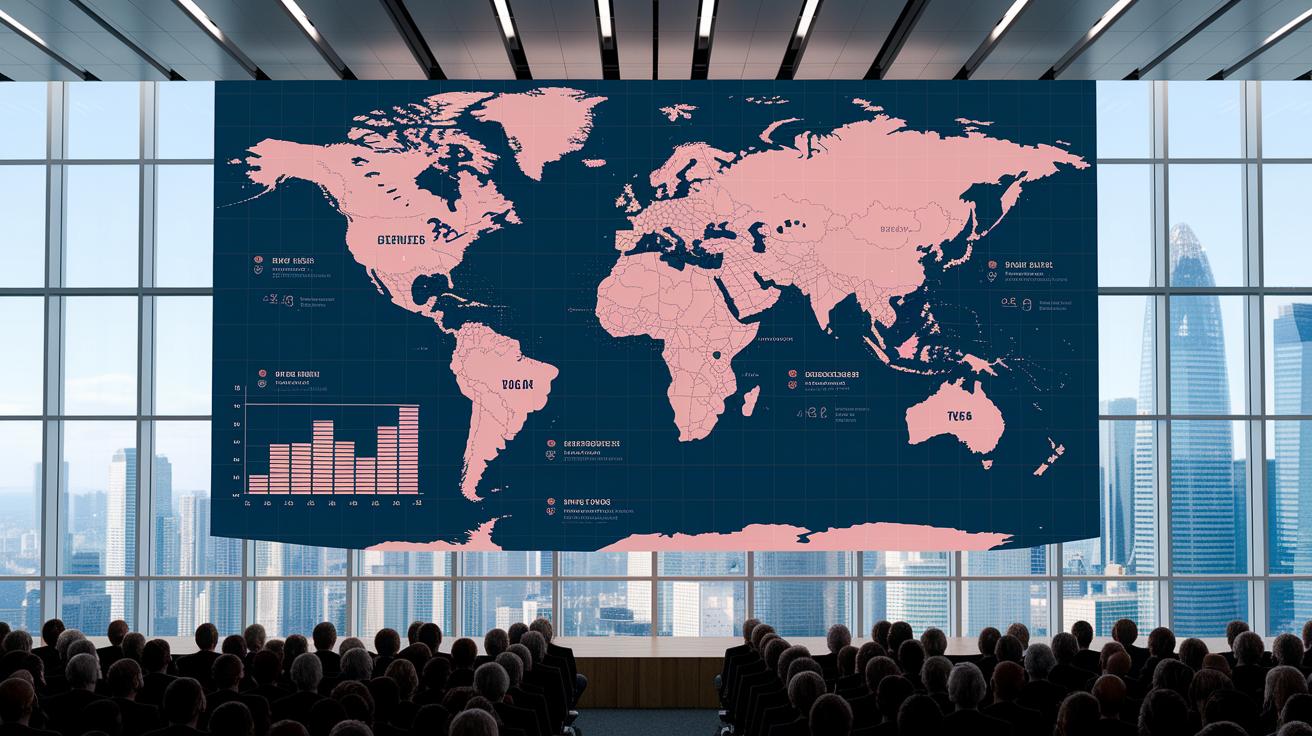
Global efforts are working to keep our planet's temperature increase under 2° C, yet many countries still miss their targets, even with the Paris Agreement guiding us.
Market systems, like emissions trading and carbon pricing (where companies pay a fee for each ton of CO2 they emit), give businesses a clear reason to lower their pollution. For instance, a company might save money by switching to cleaner energy when a carbon tax pushes up fossil fuel prices.
Countries have set net-zero goals and face regular reviews under UN rules, which help hold them accountable for their emissions. However, progress isn’t the same everywhere. Some nations back up strong policies with subsidies for clean energy and penalties for high emitters, while others struggle to enforce these rules. This uneven progress is partly because countries count emissions differently, some based on production, others on consumption.
International climate agreements show us that working together is essential. Like a team sport, each country’s effort matters. When one nation tightens its rules, others can follow, creating a ripple effect that drives down global carbon levels.
We need stronger rules, such as improved trading schemes and higher carbon taxes, to speed up our move to a cleaner future. Policy reforms are key to steering economies toward low-carbon technology investments and fostering global cooperation for a healthier planet.
In short, effective policy changes and international teamwork tie local actions to a global push for reducing carbon emissions.
Final Words
In the action, we explored how carbon emissions and climate change work hand in hand, tracking everything from the basic science of CO₂ molecules to the impacts on our environment and public health.
We also reviewed the roles of emission sources, statistical trends, and strategies like renewable energy and natural carbon sinking. These insights remind us that our daily choices and global actions truly matter today, a positive step toward a cleaner, safer future.
FAQ
What does a carbon emissions and climate change pdf cover?
The carbon emissions and climate change pdf covers detailed information about how burning fossil fuels increases CO₂ levels, affecting global temperatures and shifting our climate through the greenhouse effect.
What is the projected carbon dioxide percentage in the atmosphere for 2025?
The estimated carbon dioxide percentage in the atmosphere for 2025 is based on models that include ongoing fossil fuel use, suggesting further increases beyond current levels.
How do carbon emissions and climate change data for 2021 illustrate the issue?
The 2021 data shows that global fossil fuel emissions remained high, emphasizing the strain on our climate as continued CO₂ releases lead to noticeable temperature increases.
What do the carbon emissions and climate change findings for 2022 indicate?
The 2022 findings indicate that emissions continue to rise through persistent energy use and industrial activities, leading to more CO₂ in the atmosphere and ongoing climate shifts.
What are the 10 causes of climate change?
The 10 causes of climate change span fossil fuel burning, deforestation, industrial activity, agricultural practices, waste management, urban sprawl, energy production, transportation, land-use changes, and changes in natural ecosystems.
What are the effects of carbon dioxide on the environment?
The effects of carbon dioxide include warming the planet, altering weather patterns, melting ice caps, and disrupting ecosystems, which ultimately affects food supplies and natural habitats.
How much carbon dioxide is in the atmosphere today?
Today, atmospheric carbon dioxide is measured at around 415-420 parts per million, reflecting a significant increase from pre-industrial levels due to human activities.
What was the carbon dioxide percentage in the atmosphere in 1900?
In 1900, carbon dioxide levels were about 300 parts per million, much lower compared to today, indicating a clear upward trend over the past century.
What is the number one contributor to climate change?
The number one contributor to climate change is fossil fuel combustion for power, transport, and industry, which releases large amounts of CO₂ that intensify the greenhouse effect.
What are the top three causes of global warming?
The top three causes of global warming are burning fossil fuels, deforestation, and industrial processes, all of which significantly raise CO₂ levels and enhance the greenhouse effect.
What are the top five sources of carbon emissions?
The top five sources of carbon emissions include energy production, transportation, industrial processes, deforestation, and agriculture, all of which add substantial greenhouse gases to our atmosphere.
Are CO₂ levels in the atmosphere rising or falling?
CO₂ levels are rising as extensive fossil fuel combustion and ongoing industrial growth add more greenhouse gases, which continuously impact our climate systems.