
Have you ever wondered why our planet is getting warmer? Think of it like piling on too many blankets on a cool night. That extra warmth is a lot like the way gases such as CO₂ (a gas produced by burning fuels) and methane (a gas from natural sources) trap heat around the Earth. Every time we burn fuel, these invisible gases build up and gently push our climate in new directions.
In this blog, we'll look at how everyday energy choices send ripples through our environment. We'll explore the main factors that mix things up as we try to handle our warming world.
Explaining What Causes Climate Change: Primary Drivers
When we burn fossil fuels like coal, oil, and gas, it sends gases like CO₂ (carbon dioxide), CH₄ (methane, a gas from animals and decaying matter), and N₂O (nitrous oxide, released from soils and fertilizers) into our air. These gases act like a cozy blanket around Earth, helping trap heat that would normally escape. Think about it like lighting a candle in a closed room, the heat and even the tiny wisps of smoke stick around, making everything warmer. This simple comparison shows how everyday energy use adds invisible gases to our atmosphere.
Over the past 150 years, our factories, power plants, and large-scale burning of fuels have pumped a lot more of these heat-trapping gases into the air than nature would usually provide. It’s like piling on too many blankets on a chilly night; soon, everything feels uncomfortable and changes in unexpected ways. The extra gases boost Earth’s natural warming effect, which shifts weather patterns and raises overall temperatures.
Scientists from the IPCC (Intergovernmental Panel on Climate Change, a group of experts studying our climate) warn us that if our global temperatures climb more than 2 °C, we could cross a big, irreversible line. That means we might face extreme weather, melting ice caps, and major shifts in our ecosystems. It’s a bit like handling something very delicate, small changes in temperature can spark a chain reaction of climate surprises.
How Fossil Fuel Combustion Causes Climate Change

Burning coal and natural gas for energy creates a lot of greenhouse gases (gases that trap heat in our atmosphere). In 2020, almost 60% of U.S. electricity came from these fuels, and they were responsible for about 25% of the nation’s total emissions. Think of it like adding an extra blanket on a cool night, the trapped heat makes the planet warmer, much like the lingering warmth in your home after the heater is turned off.
Transportation also plays a big role in fossil fuel burning. Cars and trucks, for example, pump out a lot of carbon dioxide. Each passenger vehicle releases about 4.6 metric tons of CO₂ every year. When you count all the trucks, this part of our daily travel becomes one of the top reasons for rising CO₂ levels. Around the world, using fossil fuels for energy and transport is the leading human-made cause pushing our climate toward even more warming.
| Sector | % of U.S. GHG Emissions | Primary Fuel Source |
|---|---|---|
| Electricity Generation | 25% | Coal, Natural Gas |
| Transportation | 29% | Gasoline, Diesel |
| Industrial Processes | 24% | Coal, Natural Gas, Oil |
How Deforestation and Land Use Shifts Cause Climate Change
When we cut down forests and drain wetlands, stored CO2 escapes into the air. For example, in Canada, clearcutting in boreal forests sends more than 25 million metric tons of CO2 into the atmosphere each year, roughly as much as what comes from 5.5 million cars. Changing the land for farming or logging means we lose natural areas that normally soak up CO2, so more of that gas hangs around in our skies. This not only warms our planet but also messes with nature’s way of keeping everything in balance.
- Quick CO2 boosts from burning trees and plants
- A long-term drop in nature’s carbon storage
- Fewer plants and animals that make our ecosystems strong
- Soil losing its carbon, which adds to overall emissions
These shifts in land use set off a chain reaction that can change weather patterns and lead to all sorts of unpredictable climate twists. When forests disappear and soils dry out, nature loses a big part of its balance, making it harder for the Earth to catch up.
How Agricultural Emissions Cause Climate Change
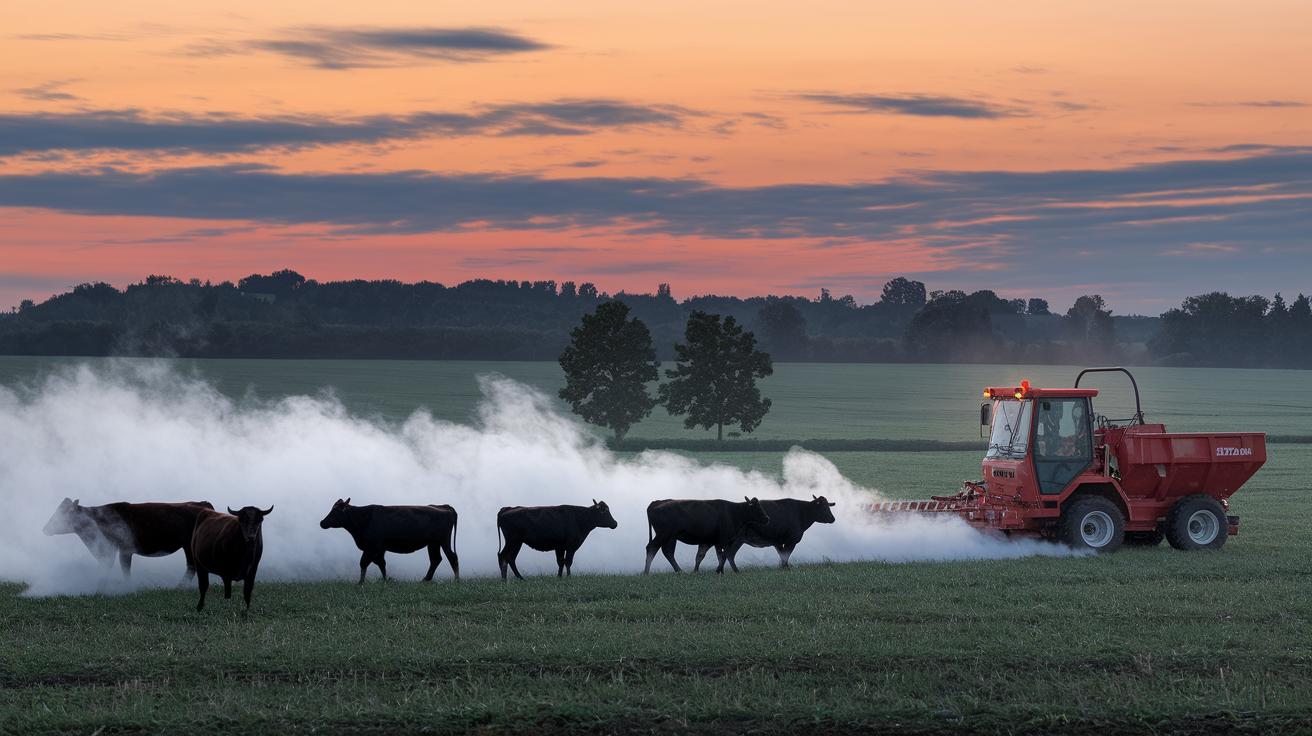
Farming is a surprising but strong driver of climate change. For example, animals like cattle produce methane (a gas that warms up the atmosphere) when they digest their food, a process called enteric fermentation (basically, how food breaks down in an animal's stomach). Plus, farms that use lots of fertilizer release nitrous oxide (another heat-trapping gas) from their fields. In 2020, farming made up about 11% of U.S. greenhouse gas emissions, and nearly 75% of the nitrous oxide in our air came from fertilized soils. It’s like adding extra blankets to an already warm night.
Changing how we use land for farming can also boost warming. When trees and plants are cleared to grow crops or create pastures, stored carbon dioxide (a gas that heats our planet) is released into the air. With fewer natural carbon sponges around, extra carbon lingers and heats our planet even more. These changes can also make local ecosystems weaker, so they aren’t as ready to handle shifting weather. Every time we change the land, by plowing new fields or cutting down green spaces, we add another piece to the climate change puzzle.
How Industrial Activity and Urban Heat Islands Cause Climate Change
Big factories that produce chemicals, steel, cement, aluminum, glass, and paper send a lot of CO₂ (a gas that traps heat) into our air. In 2020, these industries were responsible for nearly a quarter of U.S. emissions. Imagine one of these plants as a giant, busy oven that never goes off, it keeps warming the room even if you open the window. These factories run all day and night, burning fuel to create goods. Their everyday work and waste release more CO₂, adding extra heat to our planet. It's like having a kitchen that never cools down after you're done cooking.
In busy cities, tall buildings and crowded streets trap heat to form what we call urban heat islands. During the day, cities soak up the sun's heat and then slowly let it out at night, making them warmer than nearby rural areas. Buildings in these areas use lots of energy for things like heating and cooling, yet about 30% of that energy is wasted. This lost energy not only makes local temperatures climb but also boosts the overall demand for more energy, keeping the cycle of warming firmly in motion.
Natural Versus Human Drivers of Climate Change

Nature has always played a role in changing our climate. Take volcanic eruptions, for example, they suddenly release heat and ash from deep within the Earth. Other natural events, like shifts in the sun’s energy, movements of Earth’s plates, and small changes in our orbit around the sun, have caused the climate to change slowly over thousands of years, kind of like a gentle breeze reshaping a landscape.
But over the past 150 years, human activities have taken over as the main factor. When we burn fossil fuels like coal, oil, and gas for energy, we add extra greenhouse gases into the air. Think of it like gradually turning up the heat on your stove. Our everyday activities, powering our homes, manufacturing goods, driving our vehicles, now have a huge impact on our climate.
There’s another twist to consider. As ice melts, we lose some of our planet’s natural cool-down system. This is due to what scientists call the ice-albedo effect (when bright ice that normally reflects sunlight is replaced by darker surfaces that absorb heat). With more heat being absorbed, temperatures rise even further, creating a chain reaction. If this cycle continues, even a small change in energy could push our climate past a critical tipping point.
Final Words
In the action, we explored how burning fossil fuels, deforestation, agriculture, and urban industries shape our climate. The article broke down how each factor pushes the limits of what causes climate change.
It’s a clear reminder that everyday activities and choices add up, affecting our atmosphere and health. Keep asking questions and sharing insights as we all work to make sense of our world.