
Have you ever thought about how one building can influence our space plans just by sitting next to the nation’s decision-making center? NASA headquarters isn’t just an office; it’s a lively hub where key space missions get their start.
It sits pretty close to the Capitol and the White House, linking NASA’s work directly to our country's top leaders. Today, we’re taking a closer look at this unique headquarters, how it helps guide exciting space projects, and why its location might be a hint about America’s space future.
nasa headquarters: Stellar Location and Facts
NASA headquarters is located in the Southwest Federal Center in Washington, DC. It stands close to major government spots like the Capitol and the White House. This means everyone from government visitors to officials can easily connect with where national decisions are made. Think of it as being right next door to the heart of the nation's leadership.
Inside the building, NASA coordinates policies, runs agency-wide programs, and sets budgets for various space missions. In simple terms, it acts like the command center where every decision impacts missions across the agency. This central role helps keep all parts of NASA working together smoothly.
The lease for this building expires in 2028, which is a big factor in NASA's future plans. Just like when you might review your lease for your home, NASA is weighing its options to either renew the lease or find a new home for its administrative work. This deadline plays a key role in shaping how NASA will continue its important work in space exploration.
Historical Significance and Architecture of NASA Headquarters
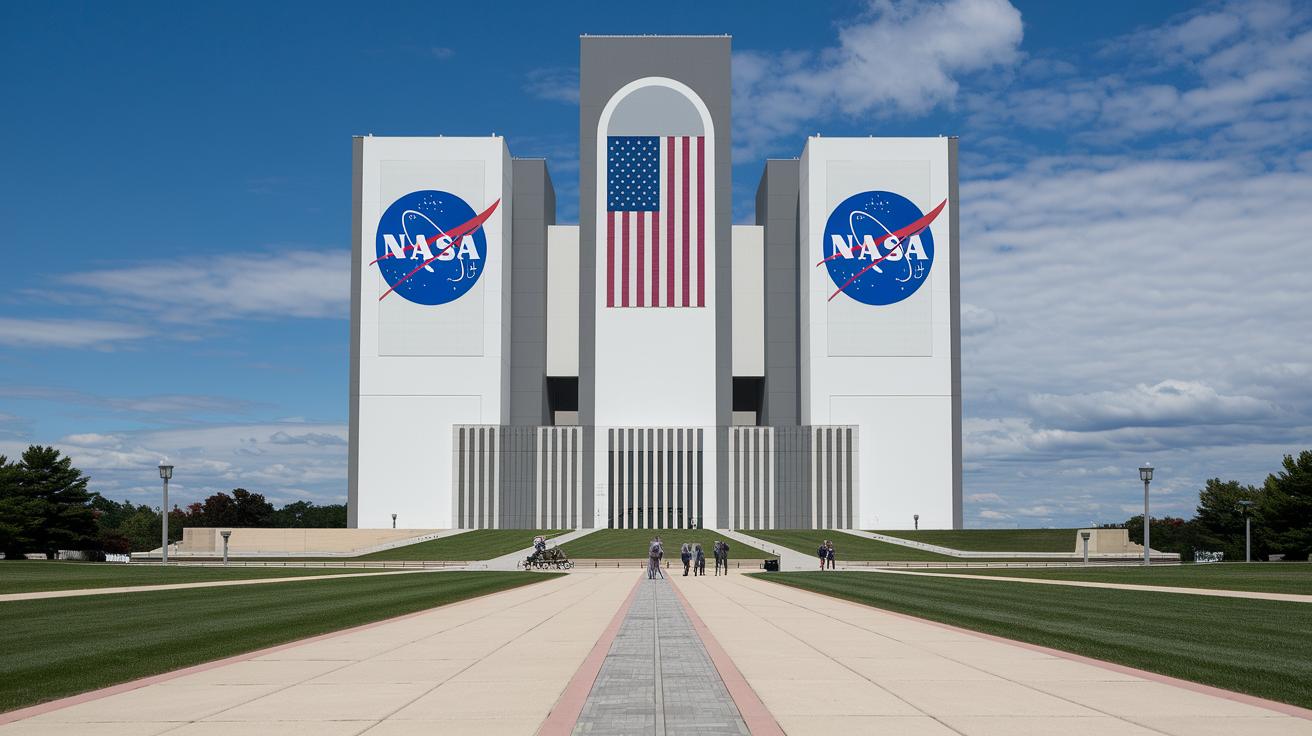
NASA headquarters started out in Washington, DC as the main center for the early space missions. Over time, this spot grew into an important administrative site that helped shape our nation’s space plans and programs. It has been a part of many key moments in America’s journey into space and tells the story of how NASA went from a small operation to a leading force in space research. It’s like watching a building grow up alongside the country’s dreams of reaching the stars.
The building itself mixes classic design with modern workspaces. Its layout was carefully planned to encourage teamwork and fresh ideas, featuring open areas that spark innovative thinking. With clean lines, lots of natural light, and well-thought-out interior spaces, it continues to inspire everyone who visits or works there. More recent ideas to close down this historic site show that changes in how NASA works are happening, while also stirring up memories of its important role in America’s space story.
Current Debates and Proposed Future of NASA Headquarters
Republican lawmakers and some Texas legislators want to shift NASA’s main base from Washington, DC to the Johnson Space Center in Texas when the current lease ends in 2028. They argue that moving to Texas fits well with plans for local growth and a fresh, modern setup. Think of it as trading in an old office for a state-of-the-art workspace where every tool is at your fingertips.
On the other hand, a different idea has come up. Some suggest that getting rid of the central Washington office might be smarter. In this plan, NASA would spread its duties across several state centers rather than sticking to one big hub. Imagine slicing up a big project into smaller, manageable parts, with each team handling its own piece. Supporters of this idea believe it could make the agency more nimble and better suited to today’s needs.
Media outlets are buzzing with discussions as influential figures and key players weigh in on these options. They’re looking at how each move might reshape NASA’s long-term planning, resource sharing, and overall way of operating. In truth, this debate isn’t merely about moving offices, it’s about transforming how NASA works in the future by blending its rich history in space exploration with a modern approach to management.
Visitor Access, Tours, and Directions to NASA Headquarters
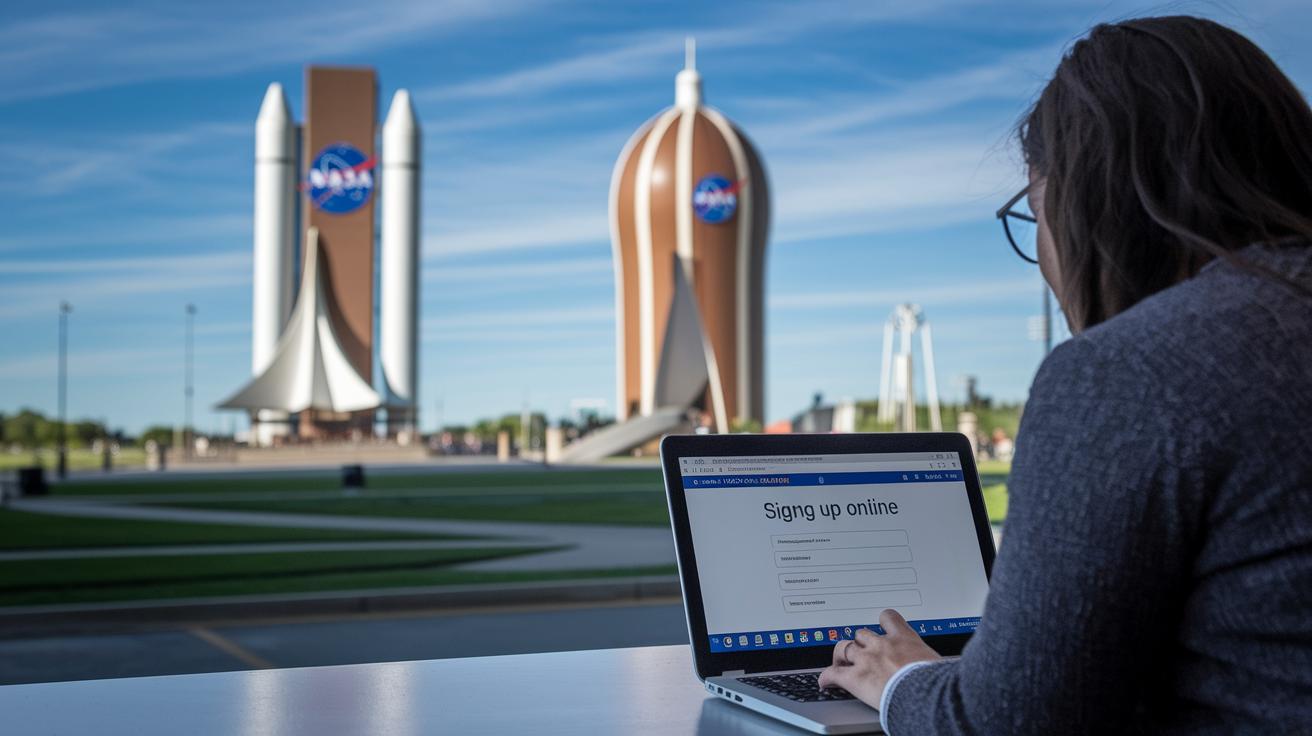
Getting registered for a guided tour is simple. You can sign up online using the visitor registration system or call the NASA headquarters information line. Many visitors share that they were able to register in just minutes and received all the important details by email. If you need any special help, just contact NASA directly to set up your tour.
| Mode | Route/Details | Approx. Travel Time |
|---|---|---|
| Metro | Take the red line straight from downtown to the Federal Center stop | 15 minutes |
| Bus | Catch frequent service along the Capitol route with stops near campus | 20 minutes |
| Car | Drive via nearby highways with clear directions and convenient drop-off spots | 10 minutes |
When you visit NASA headquarters by car or public transit, make sure to follow the campus parking rules and be ready for the mandatory security checks. Arriving at least 15 minutes early helps you check in and get through security without any rush, setting you up for a smooth, enjoyable tour.
Final Words
In the action, we examined how nasa headquarters anchors the agency’s administrative core in Washington, DC, its location near major government landmarks and the lease expiring in 2028 setting the stage for key planning decisions.
We also compared the building’s historical significance and design with ongoing debates about relocating central operations. The insights offer a clear view of evolving proposals while keeping an eye on upcoming changes. Stay excited about what the future holds for our space policies.
FAQ
Q: What is the NASA Headquarters address and contact info?
A: The NASA Headquarters is based in Washington, DC near key government buildings, located within the Southwest Federal Center. Detailed address, zip code, and contact numbers can be found on their official website for precise correspondence.
Q: What is the difference between NASA Headquarters in Washington, DC and the NASA centers in states like Houston or Florida?
A: The NASA Headquarters in Washington, DC manages agency policies, coordination, and budgeting. In contrast, centers in Houston, Florida, and elsewhere specialize in mission research, testing, and operational support.
Q: Where are the 10 NASA centers located?
A: The ten NASA centers are located across the United States, including sites in Washington, Houston, Florida, and other regions. Centers such as Johnson Space Center, Kennedy Space Center, and Glenn Research Center each focus on unique mission aspects.
Q: Is NASA located in Florida or Texas?
A: While NASA Headquarters is based in Washington, DC, its operational centers span multiple states. Florida hosts the Kennedy Space Center, and Texas is home to the Johnson Space Center, among other facilities.
Q: Can you visit the NASA Headquarters?
A: You can visit NASA Headquarters by registering for a free, guided tour. Visitors must complete security screening and follow posted guidelines, so check current schedules on the official NASA website before you go.
Q: What are some notable NASA centers and their functions?
A: Notable NASA centers include the Neil A. Armstrong Flight Research Center, Glenn Research Center, Langley Research Center, Johnson Space Center, Kennedy Space Center, and Goddard Space Flight Center—each specializing in different areas like space research, testing, and aeronautics.