Have you ever wondered if a small burst of energy might ease the burden of depression? Researchers are exploring ways to use gentle electrical or magnetic pulses (think of them as soft taps on your brain) to adjust how your brain works.
These new methods include things like TMS (a treatment that uses magnetic fields) and home-based tDCS (which sends a low-level electrical current). They are showing promise for people who haven't found relief with standard treatments. The idea is to feel better without relying on heavy medications or making extra trips to the clinic.
This innovative approach could really change how we treat depression. It offers a fresh, accessible way to help many feel better and regain control of their lives.
Non-Invasive Brain Stimulation Breakthroughs for Depression: Key Findings
Non-invasive brain stimulation is changing the way we ease depression. These treatments use gentle electrical or magnetic pulses to adjust brain activity, offering a fresh option when traditional therapies don't hit the mark. For example, transcranial magnetic stimulation (TMS) employs a low-power electromagnetic coil that sends magnetic pulses to create small electrical currents in key brain areas. TMS got FDA approval for depression back in 2008 and has opened the door to new types of brain therapies.
One exciting development is home-based transcranial direct current stimulation (tDCS). In a careful phase 2 trial with 174 participants (120 women and 54 men, all 18 or older), patients used scalp electrodes to receive a current between 0.5 and 2 mA. Over 10 weeks, those using the home treatment saw a significant drop in their scores on the Hamilton Depression Rating Scale (HDRS), which measures how severe depression is. It’s like being able to start feeling better right at home, a way to improve mood without the hurdles of long wait lists or expensive clinic visits.
Key highlights include:
- TMS and tDCS work by sending controlled pulses to adjust brain activity.
- Those who received active tDCS treatment showed a clear reduction in depressive symptoms.
- Home-based tDCS makes treatment more accessible and reduces delays and costs typically seen with in-clinic sessions.
- This non-invasive approach offers a fresh, alternative route for people who haven’t found relief with standard therapies.
These advances bring hope by making effective depression treatments available in everyday settings, helping more people find the relief they need in a more convenient and cost-effective way.
Mechanisms of Breakthrough Non-Invasive Brain Stimulation Therapies

TMS uses a small electromagnetic coil to send quick pulses that create gentle electrical currents in a key brain area (the prefrontal cortex) that helps control mood. In early studies, nearly 50% of patients report feeling better, and about 30% see major improvements (remission means their symptoms reduce significantly) when TMS is used on its own. And when this treatment is combined with other supportive therapies, up to 66% of patients feel better, with 55% reaching remission.
tDCS is another approach that sends a light direct current (0.5–2 mA) through electrodes placed on your scalp. You might notice a slight tingling as the current gently adjusts how your brain cells work together. Think of it as giving your brain a little tune-up with a simple electric current.
VNS involves a short surgery to put in a tiny device about the size of a watch. This device sends a quick 30-second pulse every five minutes to the vagus nerve (a long nerve that connects your brain to other parts of your body), which helps keep your mood steady.
Key steps in these approaches include:
- TMS: Uses soft electromagnetic pulses to wake up targeted brain areas and help reset mood.
- tDCS: Applies a gentle direct current that causes a brief tingling while fine-tuning brain activity.
- VNS: Involves a small implant that regularly sends mild electrical signals to adjust brain communication.
In truth, these methods show how we can help the brain get back on track. They offer bright, practical ways to rebalance mood and improve how we feel.
Clinical Efficacy of Breakthrough Brain Stimulation in Depression Treatment
Brain stimulation treatments work in different ways, and each one offers its own special benefits. For example, rTMS helps roughly half of the patients feel better, and that number rises to about two-thirds when combined with talk therapy. In addition, about 30% of patients see their symptoms fade away, and this can increase to 55% if psychotherapy is added.
ECT is a more involved treatment, but it brings quick relief. Over half of the patients notice improvements in just one week, and nearly 80% feel a clear lift in their mood. In fact, 40% to 60% of patients experience a full remission of their symptoms.
Vagus nerve stimulation (VNS) helps some patients, with benefits ranging from 15% to 50%. However, many people find that their symptoms come back after a while.
Home-based transcranial direct current stimulation (tDCS), a type of brain therapy you can do at home, has shown a big drop in depression severity after a 10-week treatment.
| Treatment | Response Rate | Remission / Outcome |
|---|---|---|
| rTMS | About 50% (66% with talk therapy) | 30% (up to 55% with therapy) |
| ECT | Over 50% notice improvement in the first week (80% feel mood lift) | 40–60% go into remission |
| VNS | 15–50% see benefits | Many patients face a return of symptoms |
| Home-based tDCS | Noticeable drop in depression scores | Not measured in numbers |
Safety Profile of Non-Invasive Brain Stimulation Advances
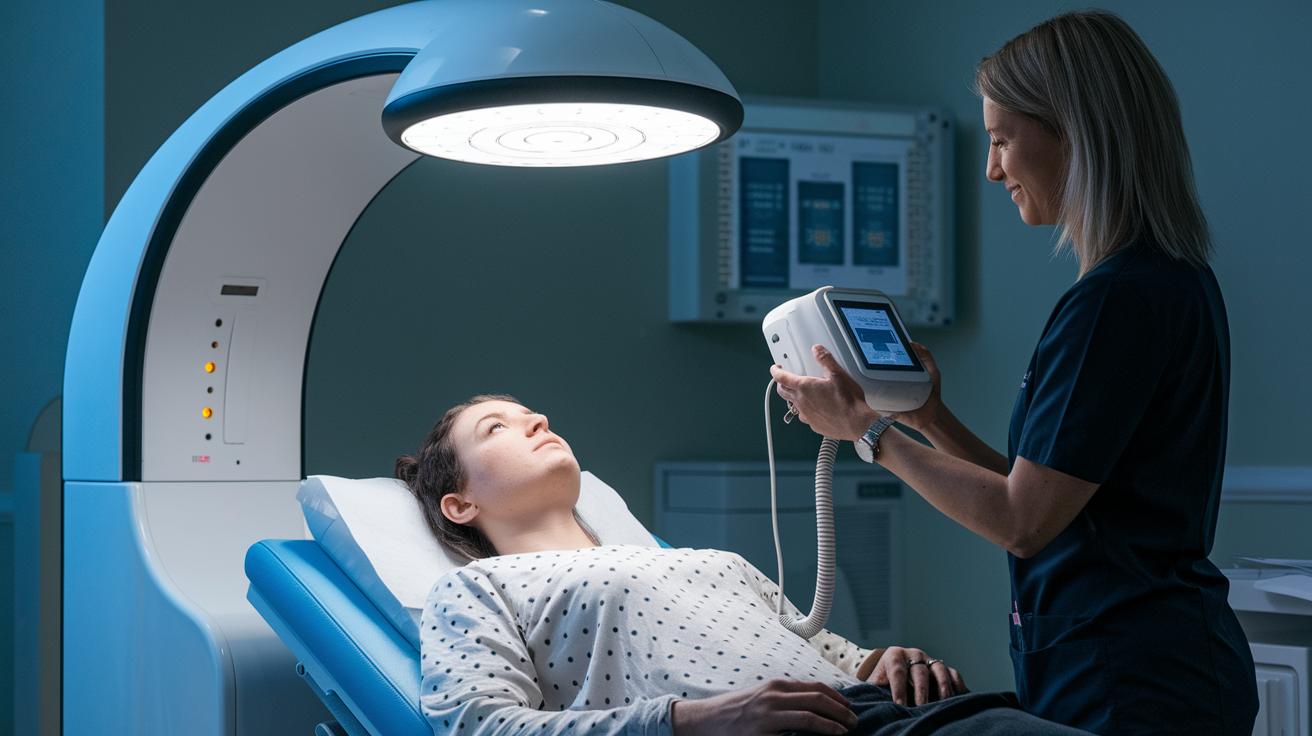
Non-invasive brain stimulation treatments are usually safe, which makes them a promising choice when standard medicines just aren’t cutting it. For example, TMS (which uses magnetic pulses to stimulate the brain) might give you a mild headache or a bit of scalp discomfort. Often, this is easily managed with everyday pain relievers.
tDCS (a treatment that uses small electrodes placed on your head) may create a slight tingling or itching sensation. It’s a quick, mild feeling that shows the treatment is working, without causing any serious issues.
ECT is a bit different since it’s done under general anesthesia. Even though it can boost mood quickly, some people might experience brief memory slips or temporary thinking problems afterward.
VNS involves a small procedure to implant a device that sends regular pulses to help stabilize mood. While it can be effective, there are some surgical risks, like infections or device malfunctions. Rest assured, healthcare teams take great care to manage these risks.
Doctors and specialists consistently monitor these treatments and adjust their approach as needed to ensure overall mental well-being. Everyone, from the care team to patients, stays alert to keep things as safe as possible.
Cost and Accessibility of Breakthrough Depression Brain Stimulation
When it comes to brain stimulation treatments for depression, the price can really vary. For example, a standard TMS treatment (that's transcranial magnetic stimulation, a non-invasive way to stimulate the brain with magnets) may cost anywhere from $6,000 to $15,000. More advanced options, like the SAINT method (a faster, newer approach), can even top $30,000. It’s like sometimes paying more than the price of a new car!
ECT, or electroconvulsive therapy (a treatment that uses small electrical currents to change brain activity), usually costs between $300 and $1,000 per session. You might start with 5 to 15 sessions and then need 10 to 20 sessions a year to keep the benefits going, which can add up to more than $10,000 each year. Similarly, if you go for VNS (vagus nerve stimulation, which uses a small implanted device to send signals to your brain), expect costs to be in the $8,000 to $14,000 range.
| Treatment | Cost |
|---|---|
| Conventional TMS | $6,000–$15,000 per treatment course |
| Advanced SAINT protocols | May exceed $30,000 |
| ECT | $300–$1,000 per session (annual costs over $10,000) |
| VNS | $8,000–$14,000 for implantation |
A promising, cost-effective alternative is home-based tDCS (transcranial direct current stimulation, a method that uses a small electrical current on the scalp). With tDCS, you do your treatment at home, which can cut down on both travel and overall costs, making it a more accessible option for people looking for the next step in mood improvement.
Comparing Breakthrough Brain Stimulation and Traditional Depression Therapies
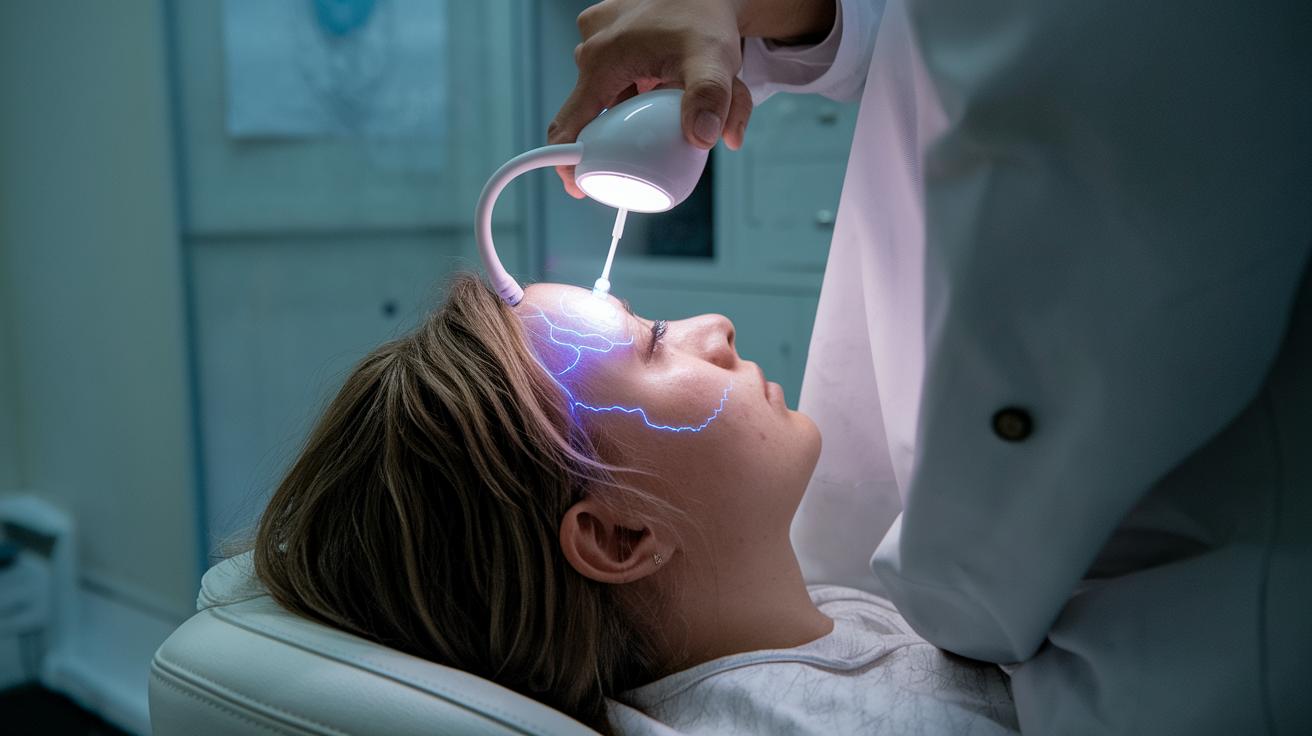
Traditional treatments for depression usually involve medications, therapy, and healthy habits like exercise, proper sleep, and spending time with friends. These methods can take weeks or even months before you start feeling better. On the other hand, new brain stimulation treatments, such as SAINT and electroconvulsive therapy (ECT, which uses controlled electric currents to help balance the brain), often work much faster. For instance, ECT has been known to improve mood in about one week. Pretty impressive, right?
For those who haven’t had success with the usual treatments, non-invasive approaches like transcranial magnetic stimulation (TMS, which uses magnetic fields to stimulate nerve cells) and home-based transcranial direct current stimulation (tDCS, which sends a gentle electrical current to the brain) might be the answer. These techniques are designed to rebalance brain activity without causing some of the side effects, like nausea or drowsiness, that come with medicines.
Consider these points:
| Benefit | Explanation |
|---|---|
| Quick Mood Change | The fast adjustment in brain function can lead to swift relief from symptoms. |
| Improved Mood Control | These methods focus on the key parts of the brain that help control emotions, boosting mood sooner. |
| New Therapy Option | They offer a fresh alternative for people who struggle with the side effects of traditional drugs. |
| Positive Results | Many patients report feeling a sense of improvement earlier than with standard treatments. |
This shows how modern brain stimulation can be a great complement to, or even a substitute for, older depression treatments.
Future Directions in Non-Invasive Brain Stimulation for Depression
Scientists keep exploring fresh ideas to help lift moods faster. One exciting method is the SAINT protocol from Stanford. This quicker version of TMS (a safe brain stimulation technique) has already cleared FDA tests for Magnus Medical. Imagine it like a fast reset for your inner thermostat. Although early results look promising, bigger studies are needed to prove lasting benefits.
Next, researchers are testing a technique that combines fMRI-guided TMS with theta burst stimulation (a rapid series of pulses) for a personalized touch. It's like tuning a radio just right to hear your favorite song, the treatment adjusts to match your unique brain map.
Other experimental methods include deep brain stimulation (using tiny electrical pulses deep in the brain), trigeminal nerve stimulation (targeting a key nerve in your face), temporal interference (creating gentle waves of stimulation), and transcranial random noise stimulation (using mild, random electric signals). Each of these offers another way to fine-tune brain activity and may one day expand treatment options for depression.
A big part of moving forward is finding clear signs, or biomarkers (biological clues that show response), to see how well each treatment works. Researchers hope that larger studies, driven by these markers, will reveal the best approaches for making depression treatments even more reliable and effective.
Final Words
In the action, we've seen how modern brain stimulation methods, TMS, tDCS, and VNS, are reshaping depression care. These techniques offer faster relief, fewer side effects, and improved access, even at home.
Our review underscored both the cost and clinical benefits of these methods while hinting at promising future research. All this progress fuels the optimism behind breakthrough non-invasive brain stimulation for depression treatment, lighting a path toward smarter, more effective care.