
Have you ever thought about what makes an airplane really different from a spaceship? Aeronautical engineering focuses on creating and testing flying machines like airplanes and helicopters. Aerospace engineering, on the other hand, covers both flying in the sky and exploring space.
In this post, we're exploring how these two fields stand apart and how each one helps build exciting futures in engineering. Stay with us as we dig into how creative design mixes with smart problem-solving to inspire the next generation of innovators.
aeronautical vs aerospace engineering: Bright Futures
Aeronautical engineering is all about creating, testing, and caring for flying machines like airplanes, helicopters, and drones. This field digs into how air moves over objects (aerodynamics), designing powerful engines (propulsion systems), and controlling flight safely. In simpler times, engineers had to rely on pure ingenuity, imagine building and testing aircraft in open fields with hardly any modern tech!
Aerospace engineering takes things a step further by not only focusing on aircraft but also on spacecraft and satellites that travel inside and beyond our atmosphere. It involves tackling challenges like orbital mechanics (the science of how objects move in space) and blending different space systems together. Picture a spaceship that mixes the sturdy design of a plane with cutting-edge space tech, it's an amazing fusion of ideas!
| Aspect | Aeronautical Engineering | Aerospace Engineering |
|---|---|---|
| Primary Focus | Aircraft design and development | Aircraft and spacecraft design |
| Operating Domain | Within Earth’s atmosphere | Inside and outside Earth’s atmosphere |
| Typical Projects | Airplanes, helicopters, drones | Spacecraft, satellites, reentry vehicles |
Both fields share key ideas like aerodynamics, propulsion, flight control, and materials science. Whether you're enhancing how an airplane flies or pioneering new space vehicles, a strong grounding in math, physics, and engineering is crucial. This solid mix of design creativity and smart problem-solving lights the path toward exciting academic and career adventures.
Historical Evolution of Aeronautical and Aerospace Engineering Fields
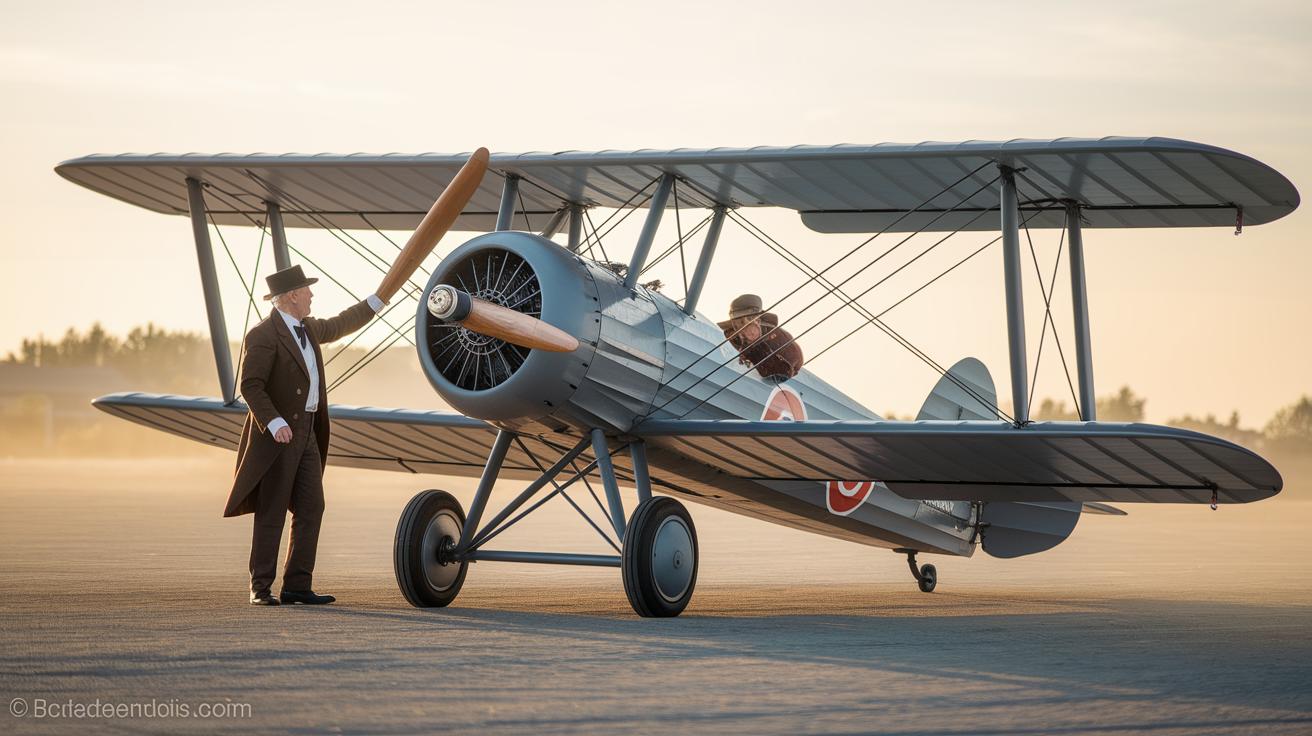
Early on, daring pioneers pushed the limits of what was possible in the air. In the late 1800s, inventive minds embarked on experiments with powered flight. By 1903, the Wright brothers made history with a controlled flight that lasted just a few seconds, but it was enough to change the world. Their success grabbed everyone’s attention and sparked a flurry of innovations, especially during the turmoil of the world wars when engineers and designers sharpened their skills with new materials and building techniques.
- 1903: The Wright brothers completed the first powered flight.
- During World War I, urgent wartime needs accelerated advances in aircraft design.
- 1957: The USSR launched Sputnik, a major milestone that shifted focus to space.
- 1958: The U.S. sent up Explorer I, boosting the drive toward space exploration.
- In the 21st Century, reusable rockets have reshaped space travel by cutting costs and opening the door for more sustainable journeys.
Today, India shines as one of the fastest-growing aviation markets, handling nearly 152 million passengers each year. This impressive growth not only pays tribute to those early breakthroughs but also demonstrates how aerospace engineering continues to evolve. Each milestone, from the first powered flight to the innovation of reusable rockets, connects our skies to outer space, fueling a future rich with extraordinary possibilities.
Academic Pathways in Aeronautical and Aerospace Engineering
For those interested in aeronautical or aerospace engineering, earning a four-year bachelor's degree in engineering is the first big step. In these programs, students build a strong foundation in math, physics, and basic engineering through core classes and hands-on lab work. This training helps them see how design and technology work together in the real world.
In aeronautical engineering, the classes focus on aircraft topics like aerodynamics, propulsion, and flight control. On the other hand, aerospace engineering covers not just flight in the atmosphere but also space systems. Here, you might learn about orbital mechanics (how objects move in space) and satellite design. This mix of focused and broad training gets students ready to deal with designing everything from airplanes to spacecraft.
Undergraduate Programs in Aeronautical vs Aerospace Engineering
Undergraduate courses start with the basics in math, physics, and chemistry to build the essential skills for later study. As students move forward, they take more focused classes like aerodynamics, propulsion systems, and materials science. These advanced topics depend on whether the program is geared toward aircraft or space vehicles. Accreditation by trusted organizations makes sure these programs meet high education standards.
Students work hard to complete required credits, lab sessions, and projects that mimic real-world engineering challenges. For example, a lab might include a simulated flight control experiment where students design a part of an aircraft. These hands-on projects give them a feel for the problems engineers face when working on helicopters, drones, satellites, or reentry vehicles.
Graduate and Online Degree Options
Graduate programs open up more opportunities by offering special tracks in areas like propulsion innovation, orbital mechanics, and advanced materials. Whether you choose a thesis or a project-based path, these programs dig deeper into the technical knowledge from your undergraduate studies and let you focus on specific engineering challenges.
For those who want to keep working while studying, new online degree options and certificate programs are available. These programs mix virtual classes, research projects, and case studies from real life. They offer a convenient way for professionals to update their skills and boost their careers without leaving their jobs.
Career Opportunities and Salary Trends in Aeronautical vs Aerospace Engineering
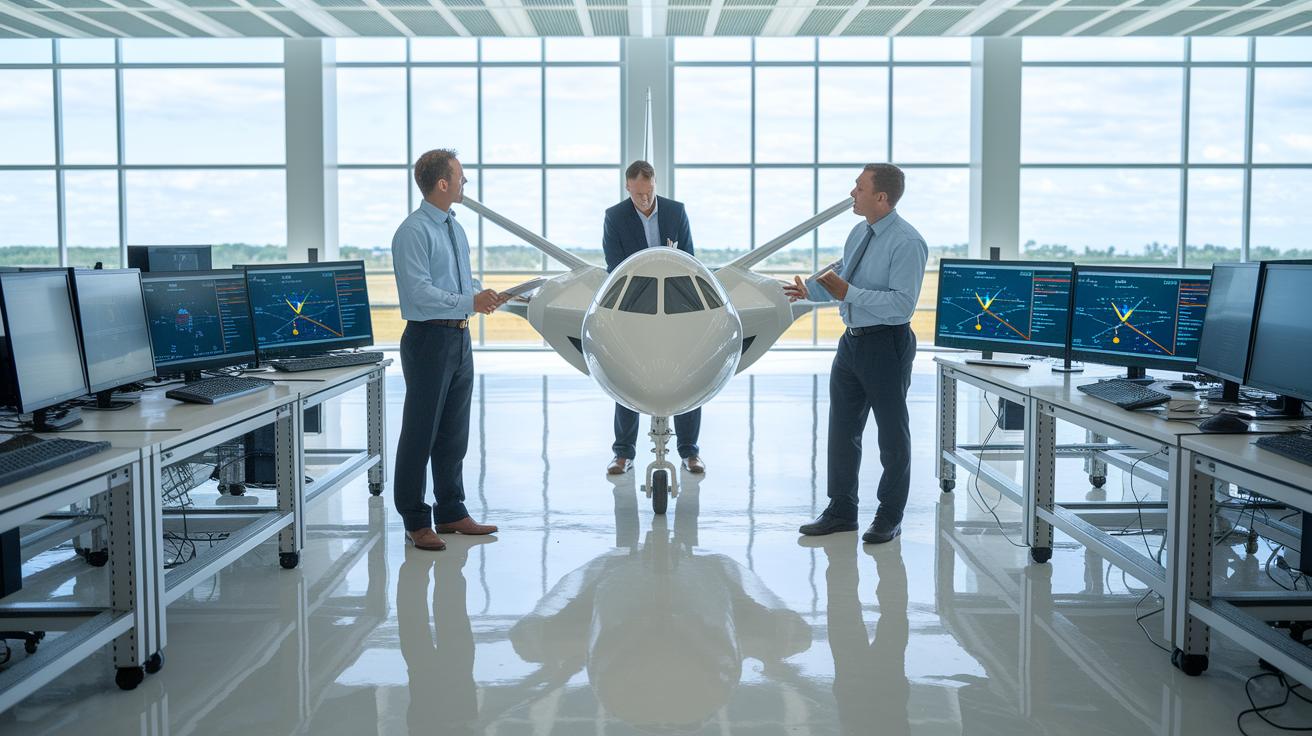
Many companies, from defense firms and government space programs to commercial aerospace businesses and research labs, are always on the lookout for engineers who can solve tricky challenges and keep projects on track. They need professionals who are as good with details as they are with big-picture planning. If you love flight and space systems, you'll find plenty of exciting opportunities here.
- Aircraft Design Engineer: Creates detailed blueprints (plans) and prototypes for airplanes and other flying machines, making sure they perform well and stay safe.
- Flight Test Analyst: Checks how well an aircraft performs during test flights and uses the data to help improve the designs.
- Propulsion System Engineer: Works on building and fine-tuning the engines and power systems (the parts that make the aircraft work) for both planes and spacecraft.
- Satellite Systems Developer: Designs and tests parts for satellites, ensuring that systems for communication, surveillance, and research work smoothly.
- Research & Development Scientist: Explores new technologies and materials to push the field forward, turning fresh ideas into workable engineering solutions.
Salaries in these fields can vary a lot depending on the role, experience, and location. Aeronautical engineers, for instance, earn an average of $130,258 per year, with salaries ranging from $49,000 to $205,000. On the other hand, aerospace engineers typically make about $108,638 annually, with pay falling between $42,000 and $165,000. In North Dakota, aerospace engineers might earn around $103,520, while in Minnesota it's closer to $97,100. Internationally, jobs in India can offer between 5 and 7 Lakhs per year (remember, one Lakh equals 100,000 rupees).
No matter if you're just starting out or moving into a mid-career role, these opportunities come with competitive pay and the chance to work on groundbreaking projects that shape the future of flight and space exploration.
Core Technical Disciplines in Aeronautical and Aerospace Engineering
Aerodynamics and Flight Mechanics
Aerodynamics is all about understanding how air moves around an aircraft. Engineers test small models in wind tunnels (indoors spaces where air moves over replicas) to see how the air glides over designs. For instance, a test might show how air flows over a new drone, letting engineers adjust shapes so flights are smoother and steadier. It’s like watching tiny gusts of wind shape the future of flight.
Propulsion Technologies
Propulsion focuses on making engines that push planes or spacecraft forward. In labs, engineers design engines that are both strong and fuel-efficient while using computer simulations (digital tests that mimic real conditions) to predict how they will work. Imagine fine-tuning a jet engine so it hits the perfect balance of speed, power, and fuel use, all while handling unexpected challenges. It’s a bit like perfecting a recipe where every bit of energy counts.
Flight Control and Avionics
Flight control and avionics deal with the smart electronics that guide a craft during its journey. In this field, designers build computers and sensors that help pilots or automated systems steer the aircraft and keep an eye on its performance. Think of it as piecing together a complex puzzle where every sensor and switch matters. It’s a blend of human skill and the excitement of modern technology that makes flying truly fascinating.
Safety Standards and Structural Testing
Safety in airframe design is about making sure every part of the aircraft is tough and reliable. Engineers carefully test materials and structures to spot weaknesses before a design goes into production. They perform thorough checks on how each part holds up under pressure, ensuring that when an aircraft faces real-world conditions, it meets high safety marks. It’s a detailed process that helps keep everyone safe during the flight.
Space Systems and Orbital Mechanics
Space systems and orbital mechanics take engineering beyond Earth’s skies. This work involves planning how satellites communicate and learning how objects move in space (orbital mechanics). Engineers simulate the tough space environment to see if launch vehicles can be reused, ensuring they handle both the journey through the atmosphere and the challenges of outer space. Imagine planning a smooth ride that travels from our familiar blue sky into the vast, starry cosmos.
Future Trends and Innovations in Aeronautical vs Aerospace Engineering
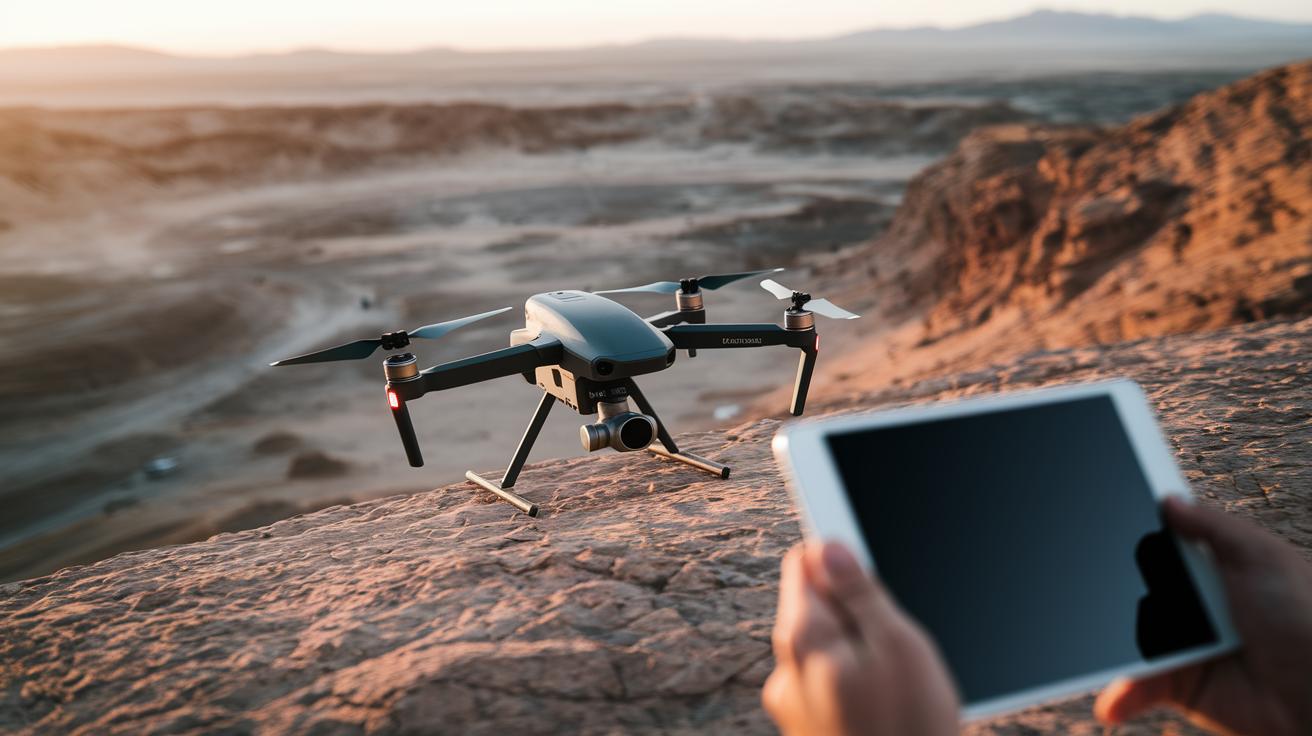
Unmanned aerial systems and self-flying drones are changing the way we think about flight in the field of aeronautical engineering. Nowadays, drones fly without a pilot, using clever controls to handle surprises like gusts of wind or obstacles in their path. This means that jobs once seen as risky or slow can now be done more safely and quickly. For example, a drone might choose a different route on the fly during a survey to get even better information from a rough area. It’s pretty exciting to see how these developments are making our skies safer and operations more cost-effective.
New fuel-saving engines and 3D printing are also shaking up how we design and build vehicles. Engineers are now creating propulsion systems that use fuel more wisely, lowering emissions while keeping things powerful. Plus, with 3D printing (a process that builds items layer by layer), designers can make parts that are both light and strong, things that were once hard to create with old-fashioned methods. Imagine parts that used to take hours to machine now being printed in one go! This mix of smart design and green technology is setting a new bar for both planes and spacecraft.
Reusable rockets teamed up with smart, AI-powered flight controls are taking aerospace innovation to a whole new level. Today’s rockets are built to come back to Earth and be used again, which can really cut down on costs. At the same time, these intelligent systems use live data to adjust flight paths, making launches safer and more efficient. For instance, an AI might notice a sudden shift in the weather and instantly tweak a spacecraft’s route. These breakthroughs hint at a future where space travel is not only smarter and kinder to the planet, but also easier for more people to access.
Final Words
in the action our article compared the fundamentals of aeronautical vs aerospace engineering by breaking down design, academic routes, and career trends. We explained how one field centers on crafting aircraft while the other also ventures into space vehicle systems.
We linked core topics like aerodynamics, propulsion, and materials science with emerging innovations that shape today’s scientific landscape. The insights leave us excited about future research and everyday ideas that spark curiosity.
FAQ
How do aeronautical and aerospace engineering salaries compare?
The salary for aeronautical engineering generally averages around $130K, while aerospace engineering comes in at about $108K, though pay varies by location, experience, and specific role.
How are aeronautical and aerospace engineering jobs different?
Aeronautical engineers focus on designing and maintaining aircraft and drones that fly within Earth’s atmosphere, while aerospace engineers work on both aircraft and space-related vehicles, expanding their career options.
What are the academic pathways for aeronautical versus aerospace engineering degrees?
Both degree tracks require a robust foundation in mathematics, physics, and engineering principles, with aeronautical programs focusing on aircraft design and aerospace programs covering spacecraft and orbital technologies.
Does NASA hire aeronautical engineers?
NASA brings on board both aeronautical and aerospace engineers to support its missions, relying on their expertise for atmospheric and space-related project development.
Is aeronautics the same as aerospace engineering?
Aeronautics refers to the study of flight within Earth’s atmosphere, while aerospace engineering encompasses both aeronautics and the design of spacecraft and satellite systems.
Is Elon Musk an aeronautical engineer?
Elon Musk is best known as an entrepreneur and tech innovator; he does not have a background as an aeronautical engineer but works extensively in the space industry through his companies.
What insights do online communities like Reddit offer about these engineering fields?
Conversations on Reddit provide personal experiences, job market perspectives, and advice on education and career challenges in both aeronautical and aerospace engineering.
How do roles in mechanical, nuclear, civil, chemical, and mechatronics engineering compare with aerospace disciplines?
Each field has its own focus—mechanical on general machinery, nuclear on energy, civil on infrastructure, chemical on substances, and mechatronics on blending electronics with mechanics—distinct from the specialized flight and space design in aerospace engineering.