
Have you ever wondered if the little things you do every day really shape our planet's future? Our weather changes because of both nature's own patterns and the stuff we do, like driving cars or running factories.
When we burn fossil fuels (oil, coal, or natural gas that come from ancient plants and animals), it adds extra heat to our world. Natural events like volcanic eruptions mix in, too, trapping heat all around Earth.
In this article, we explain the main reasons behind climate change. We show how nature and our choices go hand in hand to craft the future of our planet.
Primary Drivers of Climate Change
Climate change happens because of a mix of natural events and human actions. Nature gives us changes like shifts in the sunlight we get or big events like volcanic eruptions that shake things up. At the same time, human activities add to the mix, and together they shape our weather and climate.
Every day, we burn fossil fuels for energy, drive our cars, and power factories. This releases gases such as CO₂, CH₄, and N₂O into the air. These gases act like a warm blanket, trapping heat around the Earth. Scientists, including those from the Intergovernmental Panel on Climate Change, warn that if our planet warms by more than 2 °C, we could see some very serious changes.
Below is a table that shows a few natural and human influences on our climate:
| Natural Drivers | Human Activities |
|---|---|
| Sunlight changes | Burning fossil fuels |
| Volcanic eruptions | Deforestation and land conversion |
| Ocean current shifts | Agriculture and waste emissions |
| Surface reflectivity (how much light bounces off Earth) | Industrial processes |
| Transportation |
For more details on how these forces work together to affect our planet, check out the upcoming sections and learn more about what is climate change here.
Natural Contributors to Climate Change
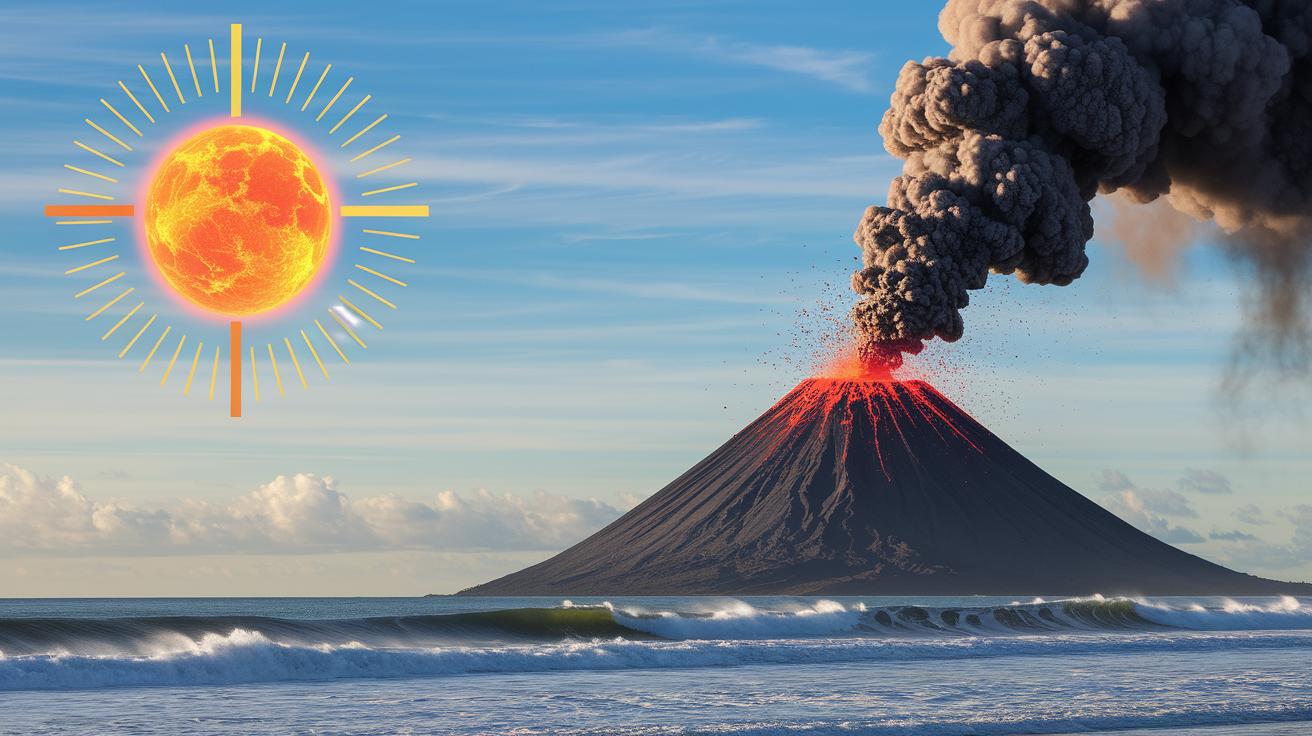
Nature has always played a big part in how our climate works. For example, small changes in how much energy the sun sends our way (solar irradiance variations, or tiny shifts in the sun's output) can change the overall temperature on Earth. It’s a bit like tweaking a dimmer switch, a small change in brightness can change the mood of a whole room.
Volcanoes matter too. When one erupts, it sends dark particles (aerosols, which are tiny bits that float in the air) high up into the sky. These particles block some sunlight, making it a bit cooler for a while, just like when a cloud suddenly covers the sun.
The oceans are busy movers as well. They shift warm water from the equator to the poles, changing local weather patterns as they do. Think of it like stirring a pot, the heat moves around, mixing things up across different regions.
Another key factor is surface reflectivity changes (albedo alterations). When ice melts, it leaves behind darker ground that soaks up more heat. This is similar to wearing a dark shirt on a hot day, it absorbs more sunlight and makes things warmer.
| Natural Factor | Mechanism | Relative Impact |
|---|---|---|
| Solar Irradiance Variations | The sun’s energy output shifts slightly, changing the heat we receive | Long-term influence on temperatures |
| Volcanic Eruption Impacts | Dark aerosols block sunlight, causing short-term cooling | Temporary cooling effects |
| Ocean Current Modifications | Currents move warm water between regions | Changes to local weather patterns |
| Surface Reflectivity Alterations | Melting ice reveals darker surfaces that absorb more heat | Increased warming when reflectivity drops |
These natural factors create the climate’s baseline, even as human influences add extra layers of complexity.
Human-Induced Causes of Climate Change
When we burn coal, oil, and gas in power plants, factories, and even on our roads, they send tons of carbon dioxide into our air. This gas traps heat and warms our planet. Picture a power plant burning coal, releasing a thick cloud of gases into the sky. Kind of wild, right? In the early days, steam locomotives belched out enormous clouds of smoke, accidentally amping up the Earth's temperature.
Clearing forests to make room for farms or cities also stokes the warming process. Trees and plants normally soak up carbon dioxide, acting like nature’s very own air purifiers. When we remove these green friends, not only do we lose their natural cooling effect, but the carbon stored in them escapes as they decay. Imagine a vibrant forest suddenly transformed into farmland, it takes away nature's cool shield and adds extra carbon into the mix.
Farming practices and the way we manage waste play a big role too. Livestock, like cows, release methane, a gas that holds onto heat even more tightly than carbon dioxide. At the same time, using fertilizers on large farms sends out nitrous oxide, another strong heat-trapping gas. Think about a big dairy farm: all that methane can make local temperatures tick upward.
- Electricity and heat production
- Transportation (road, air, marine)
- Industrial processes (cement, steel, chemicals)
- Agricultural methane and fertilizer use
- Solid waste and wastewater management
Greenhouse Gas Accumulation in Climate Change
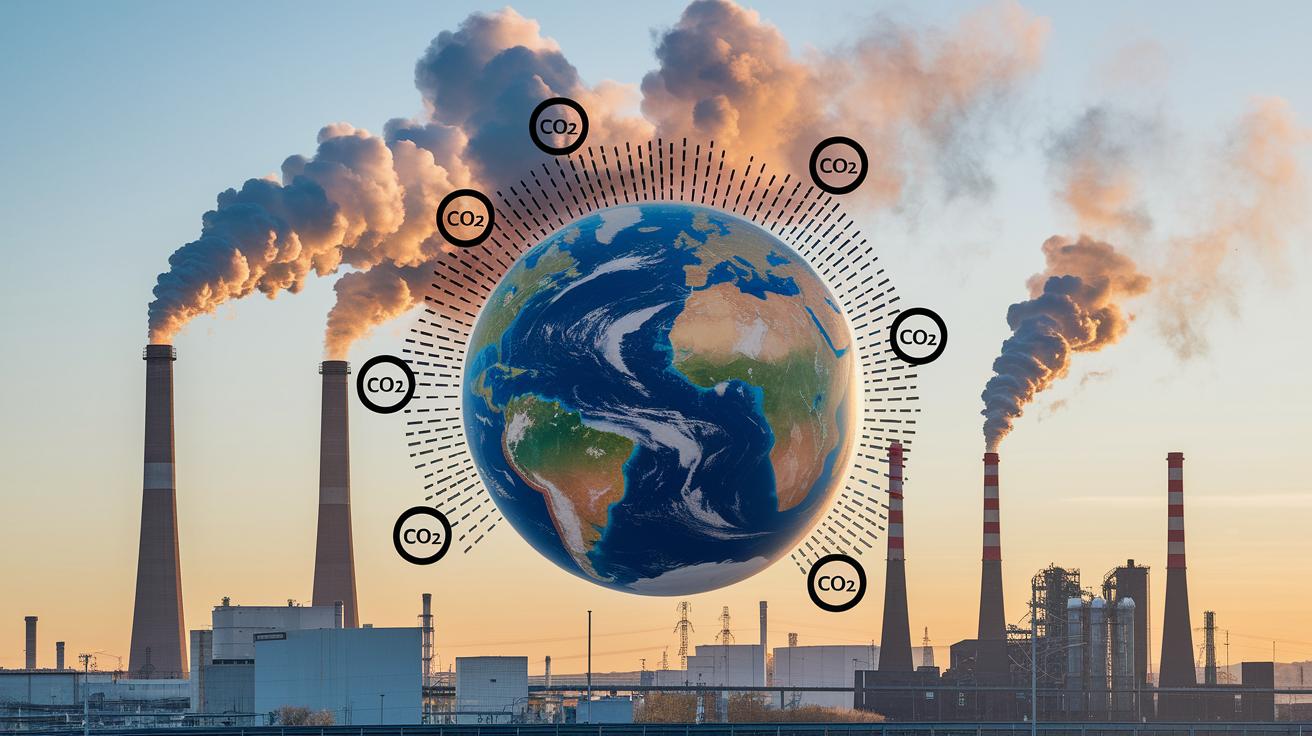
Our planet is warming because certain gases trap heat in our air. The biggest gas is carbon dioxide, which comes from burning fossil fuels. In 2018, it made up 89% of the CO₂ emissions from fuel and industry. Methane, which escapes from old oil and gas wells, and nitrous oxide, mainly from farming, add extra heat, too. When the air gets warmer, more water vapor stays in it and holds on to heat, making the warming even more noticeable. Recently, the global average temperature has risen by about 1°C and even topped 1.5°C, adding extra strain on our weather and natural systems.
Below is a table that shows the key gases, where they come from, and some details from 2018:
| Gas | Where It Comes From | Details from 2018 |
|---|---|---|
| Carbon Dioxide (CO₂) | Burning Fossil Fuels | Accounts for 89% of emissions from fuel and industry |
| Methane (CH₄) | Oil and Gas Extraction | About 280,000 metric tons leaked from abandoned wells |
| Nitrous Oxide (N₂O) | Agriculture | Farming produces nearly 75% of nitrous oxide emissions |
Each gas works a little differently. Carbon dioxide sticks around in the atmosphere for a long time, so its warming effects linger. Methane heats things up quickly but drops off sooner, and nitrous oxide hangs around and continues trapping heat. Simple changes in how we produce energy, run industry, and manage farms could help slow the warming process.
Feedback Loops Amplifying Climate Change
When Earth warms up, the extra heat helps the air hold more water vapor (tiny droplets in the air), and that extra moisture traps even more heat. It’s a bit like adding more fuel to a fire, once you get started, the process speeds up quickly.
Scientists have noticed that these natural cycles can really boost warming fast. For example, the Intergovernmental Panel on Climate Change tells us that warming above 2°C compared to pre-industrial times could lead to serious, long-lasting effects on our planet. Even more, if we don’t cut emissions by half in the next 11 years, forecasts show we could easily pass the 1.5°C limit. This potential for sudden, runaway changes makes it clear: we need to reduce emissions quickly to avoid irreversible impacts on our climate.
Final Words
In the action of understanding our planet's shifts, we saw how natural and human factors work together to create change. We broke down the forces behind greenhouse gas buildup and feedback loops. The article shared clear examples of what causes climate change and the impact of everyday actions. Each section built a clearer picture of our environment. This knowledge can spark hope and inspire smart choices for a healthier future. Keep exploring science and let curiosity guide you toward understanding our dynamic world.
FAQ
What causes climate change essay or PDF?
The climate change essay or PDF explains that both natural events—like volcanic eruptions and solar variations—and human activities such as burning fossil fuels and deforestation raise greenhouse gas levels and warm the planet.
What are the main causes of climate change?
The main causes include human activities like fossil fuel burning, deforestation, industrial emissions, transportation, and agriculture, along with natural factors such as solar changes and volcanic eruptions that alter Earth’s energy balance.
What are the effects of climate change?
The effects of climate change include rising temperatures, melting ice caps, sea-level rise, more extreme weather events, disrupted ecosystems, reduced crop yields, and challenges to water and overall habitat stability.
What are the natural causes of climate change?
The natural causes include changes in solar irradiance, volcanic eruptions releasing aerosols, shifts in ocean currents, and variations in surface reflectivity, all of which influence the planet’s ability to absorb and retain heat.
What is the current main cause of climate change?
The current main cause is human-induced greenhouse gas emissions from burning fossil fuels, deforestation, and agriculture, which trap more heat in the atmosphere and drive the global rise in temperatures.
Where does 90% of global warming occur?
Ninety percent of global warming occurs in the lower atmosphere, especially over industrial and urban regions where concentrated greenhouse gases have the strongest impact on trapping heat.
Why is 2025 considered the hottest year?
Some predictions label 2025 as the hottest year due to ongoing greenhouse gas buildup and feedback loops like increased water vapor, which intensify heat retention as current emission trends persist.