
Have you ever wondered if the latest digital advances could change our military strength? New technology is mixing smart digital tools with trusted old strategies to make operations run faster and more securely.
Tools like drone interceptors (drones designed to catch other drones) and AI-backed controls (computer systems that help machines make decisions) are helping forces respond quicker and more accurately. Meanwhile, investing in skilled workers adds a kind of real-world strength that no machine alone can match.
In short, this mix of fresh ideas and classic methods is laying the groundwork for a tougher, more adaptable defense network that meets today’s challenges and protects nations with real resilience.
Innovations and Trends in Defense Technology
Defense technology is changing fast these days. New moves, like the December 15 directive offering bonuses up to $25,000 for top-performing civilian employees, show that the Pentagon is serious about both investing in people and using state-of-the-art systems. They’re blending digital tools with classic defense techniques, which is pretty exciting when you think about it.
Key projects highlight these shifts. The Pentagon is building smarter unmanned systems that depend on modern research and automation. For instance, drone interceptors are now ready at military bases to handle threats with minimal fuss. The Army's $5.6 billion deal for advanced data techniques and cloud support shows how civilian tech is getting woven into military work. Plus, the Army is set to deploy the Dark Eagle hypersonic missile in early 2026, and the Navy has nearly $1 billion lined up for its F/A-XX fighter. Cybersecurity is also ramping up, with nearly 200 Air Force bases adopting zero-trust practices and the Defense Intelligence Agency testing new AI validation tools.
The trend is clear. Funding decisions, practical needs, and a push for digital change are all mixing to transform how defense works. Investments in human skills and tech innovation are moving military systems toward being faster, smarter, and more secure. This vibrant landscape is attracting fresh ideas and resources, setting the stage for a defense network that’s more adaptable and resilient than ever.
Advanced Combat Systems in Defense Technology

Today’s combat systems are getting a fresh upgrade thanks to new tech that makes them faster, smarter, and more flexible. New ways of designing and building these tools are changing modern warfare. With self-driving controls (that is, systems that work on their own) and sharing information in real time, these military tools are changing the way soldiers work together on the battlefield.
- Dark Eagle hypersonic missile – flies over 1,000 km at speeds above Mach 5 (Mach number means five times the speed of sound)
- F/A-XX next-gen fighter – combines stealth features with a bigger capacity for carrying weapons
- Low-collateral drone interceptor – stops enemy drones using methods that avoid extra damage
- Direct Impact® 40 mm OC sponge round – offers crowd control from up to 150 m away
- Multi Port II™ Distraction Device® – creates bright flashes and temporary incapacitating effects for tactical moves
These systems are being added to joint military operations in a way that makes for faster and more synchronized responses. Each tool has been improved so that different parts of the military can work together when facing unexpected challenges. For instance, the Dark Eagle missile and the stealthy F/A-XX fighter team up to reach far distances and make precise strikes together. Meanwhile, the low-collateral drone interceptor adds a flexible layer of protection by taking down unmanned threats gently. The Direct Impact rounds and Multi Port II device provide quick solutions for managing difficult situations and gaining control during tactical moves.
Set to be rolled out in early 2026, these advances promise to help different branches of the military coordinate seamlessly. This upgrade not only makes operations smoother but also builds a stronger, more prepared force around the world.
Cybersecurity Integration in Defense Technology
At almost 200 Air Force bases, a new security method called zero-trust is in place. This system makes every user and device prove its trustworthiness before getting in. The network is split into many small parts, kind of like different rooms in a house, so if one part is hacked, the breach stays contained. Before these changes, a single compromised account could open the door to the entire network. This approach makes sure that only trusted users can access the system while keeping any potential problems small.
The Defense Intelligence Agency is using smart computer tools (AI, which means machines that can learn and make decisions) to keep its intelligence models accurate and secure. Meanwhile, the Army is investing $5.6 billion in data analysis and cloud setups to build a stronger and safer network. All these efforts work together to create a focused, well-organized defense against digital threats while keeping modern practices in data management in the loop.
Autonomous and Robotic Platforms in Defense Technology
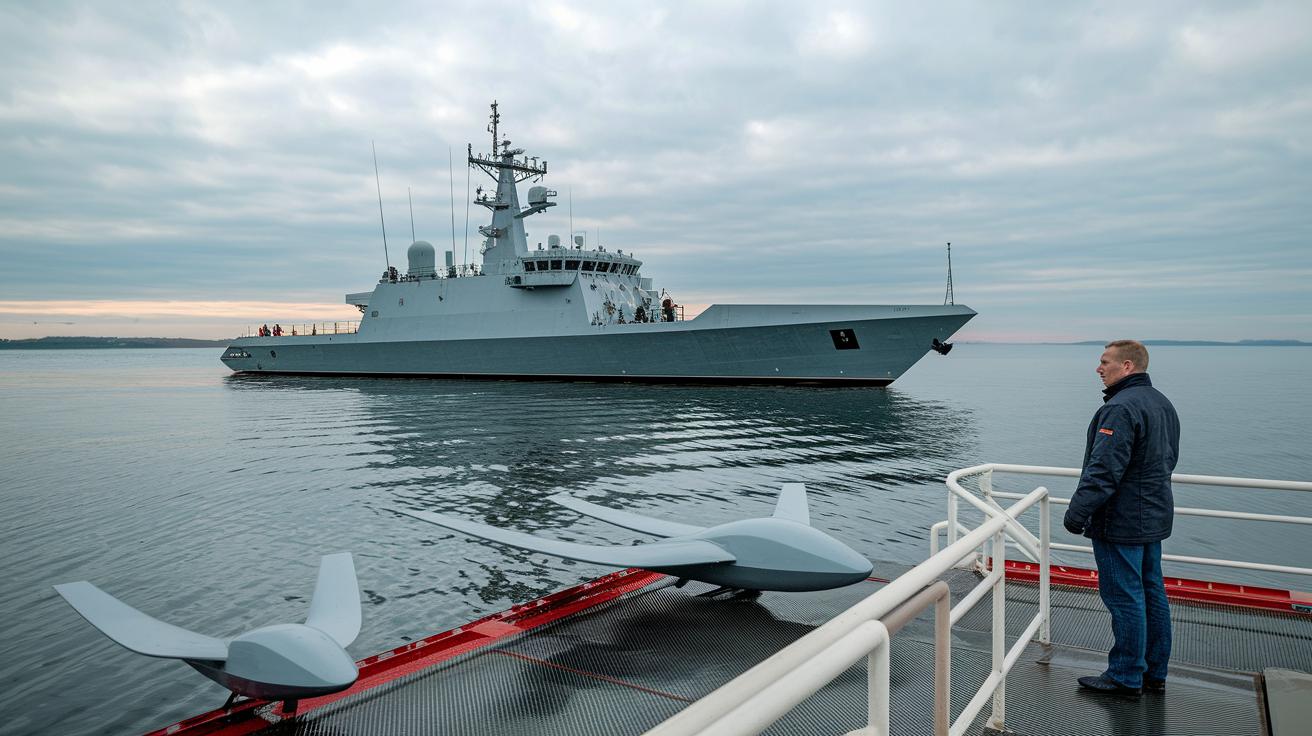
The military is moving fast toward systems that can operate on their own. The Navy is trying out new plans for unmanned ships, showing that fleets with smart, self-running vessels are quickly becoming a key part of global defense. Plus, new drone interceptors that stop enemy drones without heavy damage are now active at key bases. MARSOC really needs specialists who can work with these self-guided systems. And with the Navy aiming to have half its surface fleet unmanned by 2045, it's clear that robotics and advanced tech are set to change modern defense.
| Platform | Type | Key Capability |
|---|---|---|
| Dark Eagle Missile | Autonomous Hypersonic | Mach 5+ strike |
| Drone Interceptor X | UAV Countermeasure | Non-kinetic neutralization |
| Sea Drone Alpha | USV Surveillance | Extended maritime patrolling |
| UGV Pathfinder | Ground Robot | Route clearance |
Blending these smart systems with our current forces is paving the way for quicker and safer responses. Commanders are already planning new routines that mix traditional soldiers with unmanned machines to create teams that adapt well in uncertain situations. Next, research and development will work to improve how these vehicles chat and coordinate with each other. In truth, this mix of robotics and human expertise not only strengthens our defense but also builds a more flexible military ready to meet the challenges of tomorrow.
R&D Breakthroughs and Leading Players in Defense Technology
A few key labs and big contractors are rewriting the rules for defense technology today. Big agencies like the Defense Intelligence Agency and Space Force are teaming up with well-known companies like Lockheed Martin and GE Aerospace. They’re blending fresh ideas with tried-and-true practices, making sure our forces stay ready for a fast-changing world.
Looking closer, some breakthroughs are really turning the tide. The Defense Intelligence Agency is putting resources into smart AI tools (computer systems that learn and make decisions) to help automated systems work safely, even in tricky situations. Meanwhile, Space Force is joining forces with private companies to set up a commercial reserve fleet by 2026, which means quicker response times. On another front, Lockheed Martin and GE Aerospace are testing new ramjet engines that could boost the speed and range of hypersonic weapons. There’s also secret research on directed-energy weapons (tools that use focused energy like lasers) moving fast from prototype to real tests. Imagine a lab where the soft hum of machines mixes with groundbreaking ideas coming to life.
Some projects are still kept under wraps as classified secrets. Even though details are limited, these efforts are vital for pushing forward disruptive technology and reshaping modern warfare.
Regulatory and Market Trends in Defense Technology
New budget plans show a clear push to update our military systems. In FY26, nearly $1 billion is earmarked for the F/A-XX project, a new fighter jet in the works, and a $5.6 billion deal is set aside to boost cloud and data systems (which help store and manage information). These hefty investments are nudging the military to change its old ways of buying tech. Instead of sticking only with traditional methods, they're now blending in commercial solutions and quicker buying practices to keep up with modern needs.
Stricter rules on selling hypersonic weapons (extremely fast missiles) and UAVs (drones) are also shifting how countries work with suppliers around the world. Companies and governments now have to follow tougher standards, which is changing the landscape of international collaborations and joint projects. Plus, the Pentagon’s move to adopt commercial GenAI platforms (advanced artificial intelligence from private companies) shows a growing trust in outside tech innovations. All of this is reshaping global military supply chains, setting new standards for working internationally, and making sure every new system meets the latest security and performance guidelines.
Real-World Applications of Defense Technology
Modern defense technology is showing just how useful it can be on the front lines. These high-tech systems use smart sensors (devices that help us see what’s really happening) and detailed data maps to offer real help during tough missions. They boost how well teams work together and even help keep soldiers safer when things get intense. Imagine testing a new gadget during a training run that suddenly turns a critical mission around, much like when an officer once played with unusual training ideas that later changed how battles were planned.
One cool example is when the U.S. military tried out its first group test with a swarm of drones on home ground. These drones work together like a team to handle tricky challenges. Equally eye-opening was how tools like Splunk and Varonis (software that turns raw numbers into clear, useful information) were added to Air Force systems, giving leaders clear insights during fast-changing situations. Plus, at the Defense Technology Training Academy, simulation exercises help train troops in using non-lethal tactics. This hands-on practice shows just how modern training methods can really boost mission readiness and overall success.
Final Words
In the action from the blog, we saw how defense technology is reshaping military tools. The post covered advanced combat systems, smart cybersecurity measures, and robotic platforms that are changing how forces work.
We also explored breakthroughs in research and market trends that keep our scientific minds intrigued. Each segment shows real-world applications that bring complex ideas down to earth. The future of these innovations looks positive and accessible, inspiring more curiosity and informed discussion.
FAQ
What does Defense Technology Safariland and its ownership entail?
The defense technology associated with Safariland refers to their specialized tactical products. Safariland is known for supplying safety gear and protective equipment tailored for military and law enforcement, though ownership details can vary by contract.
What do the Defense Technology Academy and training programs offer?
The defense technology academy and training programs equip participants with practical skills in operating modern military systems. They use realistic simulations and hands-on exercises to build expertise in system operation and maintenance.
What are defense technology companies focused on?
The defense technology companies work on developing modern military systems. They range from large contractors to smaller tech firms that design innovative equipment, smart weapons, and secure communication systems to support national defense.
What content does a defense technology journal provide?
The defense technology journal covers recent breakthroughs, research updates, and industry insights. It reports on new systems, program progress, and trends shaping modern military innovation and the future of security solutions.
What is Defense Technology OC Spray used for?
The defense technology OC spray offers a less-lethal solution for crowd control and self-protection. It typically uses sponge rounds for tactical deployments, reducing injury risks while maintaining effective deterrence.
What paths do defense technology careers involve?
The defense technology careers include roles in engineering, cybersecurity, and project management. Professionals in these fields work on developing and maintaining systems that improve national security and modern military operations.
What are defense technology weapons comprised of?
The defense technology weapons include sophisticated systems like hypersonic missiles and precision-guided munitions. These weapons are designed for targeted engagement and optimized performance in modern combat scenarios.
What does defense technology mean?
The defense technology refers to the array of systems and innovations created to protect national security. It encompasses advanced weaponry, cybersecurity measures, unmanned systems, and other tools used by military forces.
What defines aerospace and defense technology?
The aerospace and defense technology combines innovations in air and space systems with military applications. It covers aircraft, satellites, and defense systems that work together to ensure national safety and strategic advantage.
What role does the Defense Technology Security Administration play?
The defense technology security Administration manages safety measures for military technology. It works on safeguarding data, improving system resilience, and ensuring secure operations across various defense platforms.