
Ever wonder if you could design rockets or planes someday? Aerospace engineering is not just about building machines. It’s about opening up a world full of exciting opportunities.
This field is growing fast, and many jobs come with great pay. If you enjoy science and being creative, aerospace could be the perfect match. Our guide walks you through everything, from strengthening your high school skills to landing internships that give you real experience.
Ready to take off into a career that brings both challenges and rewards? Let’s dive in and see how you can soar in the world of aerospace engineering!
Roadmap to Becoming an Aerospace Engineer
Aerospace engineering is all about designing and building aircraft, spacecraft, missiles, and satellites. It takes a mix of creative ideas and careful thinking to create vehicles that perform safely and reliably. If you're curious about what aerospace engineering means, you can learn more here: "what is aerospace engineering" (https://buzzyandclever.com?p=1666).
The U.S. Bureau of Labor Statistics says this field is expected to grow by about 6% from 2021 to 2031, which means roughly 3,700 new jobs are on the horizon. In May 2021, the typical salary was around $122,270 a year. Whether you dream of working on fast jets or exploring outer space, your journey starts with a solid education and plenty of hands-on experience.
- Build a strong high school foundation by excelling in subjects like math, physics, chemistry, and even communications.
- Earn a bachelor’s degree in aerospace engineering. This might take 4 to 5 years if you study full-time, a bit longer if you’re part-time, or about 3 years in an accelerated program.
- Grab internships or co-op opportunities along the way to pick up real-world skills in technology and teamwork.
- Get your Professional Engineer license to officially show your expertise.
- Consider a master’s or doctoral degree if you want to specialize even more.
- Finally, start working in the field and make sure to keep learning and expanding your skills.
This roadmap highlights the important steps to become an aerospace engineer. It’s all about steady progress, mixing schoolwork with real-life experience, and always being ready to learn something new.
Educational Pathways and Degree Requirements for Aerospace Engineers
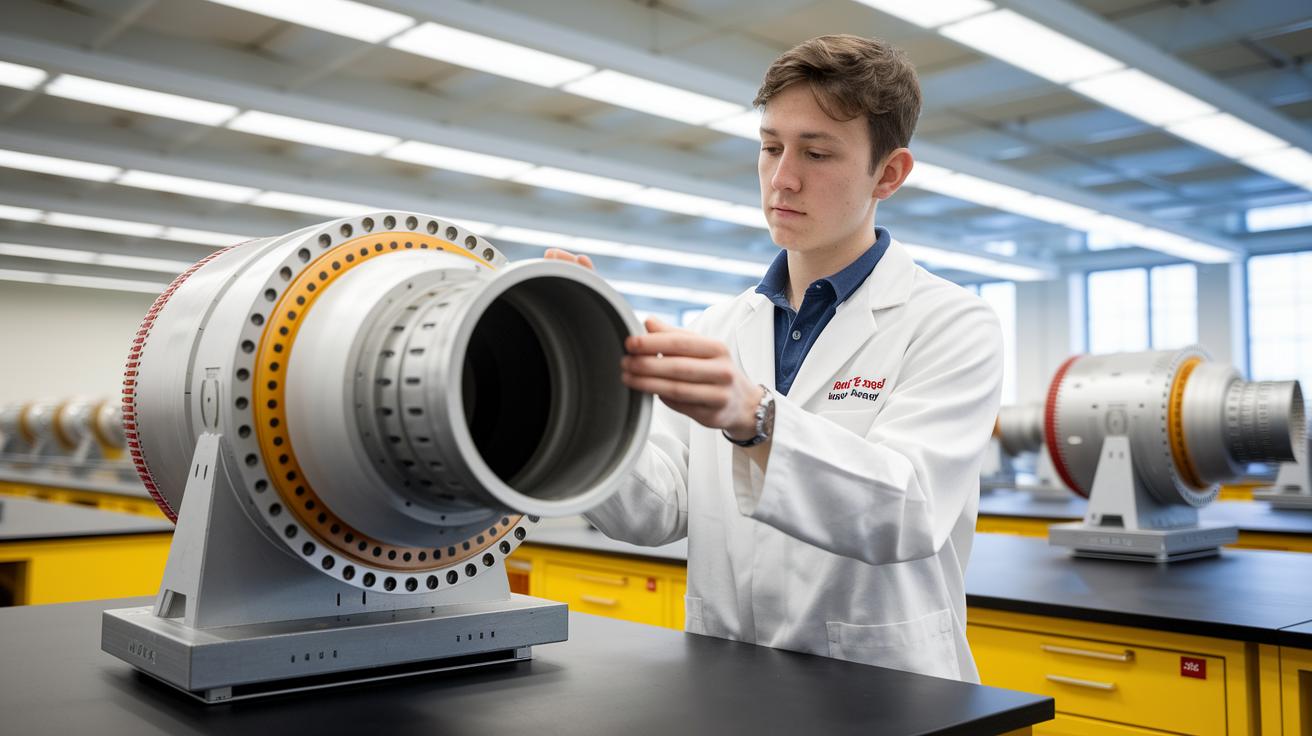
Most kids dreaming of space or flight begin by earning a bachelor’s degree in flight engineering. This degree usually takes about 4 to 5 years when you study full-time, though some people speed things up and finish in around 3 years. A strong background in math, physics, and chemistry from high school really helps get you ready for the challenges ahead. These programs mix classroom theory with hands-on lab work and test exercises so students get a real feel for the core ideas behind engineering. If you want more details about the program, check out the aerospace engineering degree page (https://buzzyandclever.com?p=1877).
While a master’s degree in air and space technology isn’t a must for all, it can open up chances for leadership roles and more complex projects. For those eager to dive deeper into research or eventually teach, a Ph.D. might be the way to go, although the time to finish varies. Both graduate paths let you explore more in-depth topics and often include classes that push the limits of modern aerospace design and tech.
| Degree Level | Typical Duration | Key Focus |
|---|---|---|
| Bachelor’s | 4–5 years FT; 3 years accelerated | Core engineering fundamentals, design labs |
| Master’s | Varies by program | Advanced specialization and research |
| Doctoral | Varies by institution | Original research and teaching experience |
There are also nontraditional routes if you need a more flexible schedule. Online certificates and part-time classes let you keep working while studying, and some fast-track programs can help you jump into the exciting world of aerospace engineering even quicker.
Advanced Credentials and Specializations in Aerospace Engineering
After you finish your bachelor’s degree, many future aerospace engineers decide to build on that foundation. A master’s degree often opens doors to supervisory roles through focused classes and hands-on projects. And if you’re set on research or teaching, a doctorate in aviation design prepares you for high-level studies. For those who need a quick skill boost, digital certificates in flight tech offer targeted training without the full commitment of a degree. Each option has its own benefits based on what you want to achieve in your career.
Staying competitive means choosing a specialty that fits your goals. Studying flight mechanics helps you understand how aircraft move and stay stable. Propulsion studies teach you about engine performance (that is, how well an engine pushes a plane forward), while courses in structures give you a closer look at safety and durability. Aerodynamics classes let you explore how air flows around a plane to make it more efficient, and systems integration shows you how to bring all these pieces together into one smart design. All these focus areas match real-world needs and prepare you to push the boundaries of aerospace innovation.
Essential Technical Skills and Hands-On Experience for Aspiring Aerospace Engineers

Aspiring aerospace engineers need to get comfortable with the tools that make modern flight design possible. For example, CAD modeling software lets you draw detailed blueprints for your projects, while simulation tools like CFD (computational fluid dynamics, a method to see how air flows around parts) help you understand how air moves over a design. It's also important to grasp the basics of how different systems in an aircraft work together, and to learn the principles behind propulsion (the way engines create thrust). Imagine designing a simple wing with CAD, then using CFD to test if small changes could boost its performance.
Real-world, hands-on experience is just as key. Lab courses and capstone projects challenge you with real problems and encourage creative problem-solving and teamwork. Early projects like test-stand experiments or design challenges build your confidence and get you ready for working with others. These experiences blend theory with practice, giving you a chance to experiment, fine-tune your ideas, and prepare for the fast-paced world of aerospace engineering.
Internships, Mentorship, and Industry Partnerships for Aerospace Engineering Students
Internships and co-op placements give aerospace engineering students a real chance to get their hands dirty on projects for 8 to 10 weeks. These stints let them put what they’ve learned in class to work, whether they’re testing parts for aircraft or lending a hand with design projects. It’s a practical way to build up confidence and sharpen problem-solving skills when facing the everyday surprises of flight research.
Work-study programs and industry partnerships open doors to even more hands-on experiences. By joining forces with companies that specialize in air technology, students get to jump into live projects and see how modern aviation design really works. These opportunities boost technical abilities and also teach students the ins and outs of working in a dynamic team environment.
Mentorship programs play a big role too, linking students with seasoned engineers from the air and space fields. Through these connections, aspiring aerospace engineers get personal advice on overcoming early career bumps and fine-tuning their technical know-how. Chatting with experienced professionals not only builds a network of valuable contacts but also paves a smoother road into the competitive world of aerospace engineering.
Aerospace Engineering Career Paths, Demand, and Salary Expectations

The aerospace field is evolving fast. Today, we see engineers working on smart, AI-powered systems (that means computers are learning and making decisions), eco-friendly engines, and robotics that help shape the future of air travel. Growth in this industry is steady, and other sections explain how these trends create exciting career opportunities in innovative projects and fresh design techniques.
Early in your career, you'll notice that entry-level pay is quite competitive, with a median salary around $122,270. For more details on how salaries change by region and project challenges, check out our roadmap and educational pathways sections.
Choosing a specific niche can really boost your path in aerospace. Have you heard that engineers spend countless hours perfecting simulation models before a rocket even takes off? These models predict how important systems will behave and can lead to groundbreaking innovations. Focusing on hands-on training and constantly updating your skills is a smart move in this dynamic field.
Final Words
In the action of reviewing the roadmap, we broke down how each step, from solid school foundations to earning degrees and gaining hands-on experience, builds the future of flight design. We explored academic tracks, technical skills, and real-world opportunities in aerospace. This guide shows how to become an aerospace engineer with clear milestones and creative problem-solving. The path is challenging yet rewarding. Stay curious, keep learning, and reach for the skies.
FAQ
Frequently Asked Questions
How to become an aerospace engineer reddit
The query highlights opinions shared on Reddit. Many users recommend building a strong foundation in math and science, earning a related degree, gaining internship experience, and networking for guidance in aerospace engineering.
Aerospace engineering salary
The query indicates that aerospace engineers earn a median annual wage of about $122,270, with pay varying based on experience, role, and specific industry demands.
How to become an aerospace engineer without a degree
The query suggests exploring nontraditional routes. While some pursue technical certifications or military programs, most roles in aerospace engineering require a bachelor’s degree or related credential for entry.
How to become an aerospace engineer in the military / in the Air Force
The query implies that joining the military or Air Force involves meeting standard educational and physical requirements. Typically, candidates attend military academies or complete a degree in engineering combined with specialized military training.
Aerospace engineer degree
The query refers to the academic requirement for the field. An aerospace engineer degree usually means completing a four-to-five-year bachelor’s program focused on core engineering principles, labs, and hands-on design projects.
How long does it take to become an aerospace engineer?
The query clarifies that earning a bachelor’s degree in aerospace engineering generally takes four to five years full-time, though accelerated and part-time options might adjust this timeline slightly.
How to become an aerospace engineer for NASA / Does NASA accept aerospace engineers?
The query combines steps to join NASA. Usually, candidates need a strong academic record with a related degree, relevant internships, and sometimes advanced study, as NASA consistently hires qualified aerospace engineers.
What qualifications do I need to be an aerospace engineer?
The query stresses that key qualifications include a solid background in math and science, a bachelor’s degree in aerospace or a similar engineering field, plus hands-on experience and potential licensure for professional practice.
Do aerospace engineers make 800k a year?
The query indicates skepticism about extremely high salaries. Typically, aerospace engineers earn around $122,000 annually, with higher earnings in advanced positions, but $800,000 per year is highly unusual.