
Have you ever wondered how one split second can change everything? On a bitterly cold January morning in 1986, everything came crashing down in just over a minute when the space shuttle Challenger exploded. The harsh weather and some crucial technical errors combined to create a tragedy that shocked the world. In this post, we'll walk through the decisions made that day, the challenges faced, and how that one catastrophic event still shapes space travel. It's a striking reminder that sometimes, a single moment can alter the course of history.
Space Shuttle Challenger Exploded: Powerful Historical Insight
On January 28, 1986, a bright Florida morning took a tragic turn. The Space Shuttle Challenger was set for its 10th mission from Cape Canaveral. Originally, the launch was planned for January 27, but bad weather pushed it back. The temperature was a harsh minus 7 degrees Celsius (far below the safe limit of 10 degrees Celsius). At 11:38 a.m. EST, just 73 seconds after liftoff, the shuttle broke apart. Hot gases escaped through worn seals known as O-rings (small rings that help keep rocket parts secure), causing the failure that led to the loss of all seven crew members, including teacher Christa McAuliffe.
- January 27, 1986: Bad weather forces a delay in the launch.
- January 28, 1986: The shuttle is prepped for launch on a very cold morning (minus 7°C).
- 11:38 a.m. EST: The launch begins from Cape Canaveral.
- 73 seconds after liftoff: The shuttle falls apart when hot gases breach the booster seal.
- Aftermath: All seven crew members, including teacher Christa McAuliffe, tragically lose their lives, leaving a lasting impact on space history.
This timeline shows how quickly even well-planned events can go wrong. Each moment from the weather delay to the sudden failure reminds us of the tough decisions and risks that come with exploring space. It’s a powerful lesson in how unpredictable space travel can be.
Background and Mission Objectives of Challenger’s STS-51-L Flight

Challenger was built by Rockwell International starting in November 1975, with Lockheed Martin beginning tests on its structure on April 2, 1978. It made its debut flight in April 1983, opening a new chapter in America’s space exploration during a time when countries were racing to reach space (that is, a fierce global competition to explore beyond our planet). This 10th mission, STS-51-L, was planned to send the TDRS-B satellite into orbit.
This flight was even more exciting because it was set to include Christa McAuliffe, who would have been the first civilian teacher in space. Earlier missions had already marked important milestones, for example, when Sally Ride flew on STS-7 in June 1983 and Guion Bluford on STS-8 in November 1983. And in April 1984, during the STS-41C mission, the crew even carried out the first in-flight satellite repair.
In truth, the STS-51-L flight was part of NASA’s larger effort to blend scientific research with public outreach. By connecting technical achievements with an educational mission, it aimed to both push the limits of space technology and inspire people. This background helps us understand the key decisions that eventually shaped the mission’s destiny.
Technical Malfunction Appraisal: O-Ring Failures and Booster Anomalies
On a bitterly cold day at -7°C, the O-rings in the boosters started to act up. These little rubber rings, which usually help hold high-pressure gas in check, turned stiff and brittle because the rubber lost its flexibility (this is called the glass transition). Can you imagine how a tiny ring could spark such a big problem?
Since the rubber couldn’t bend as intended, the heat-resistant putty, the material that usually seals everything tight, got pushed out. When the boosters fired up, the high-pressure gases ate away at this loose seal. Flames then reached the external tank, which ended in a huge structural failure. Early computer models simply didn’t account for how the material would react in such extreme cold.
Engineers at MTI had already warned that seals might fail when temperatures dropped below 10°C. They based this warning on solid science about materials and engineering, every part needs to work well no matter the conditions. However, pressure from management and strict launch timelines meant those concerns weren't taken seriously.
The design of the boosters didn’t get adjusted for the deep cold, which seriously hampered the O-rings and the overall booster strength. From the moment the putty was pushed aside to the gas bursting through, every step showed just how delicate the balance is between good design and nature’s harsh conditions.
Rogers Commission Findings and the Challenger Accident Investigation Report
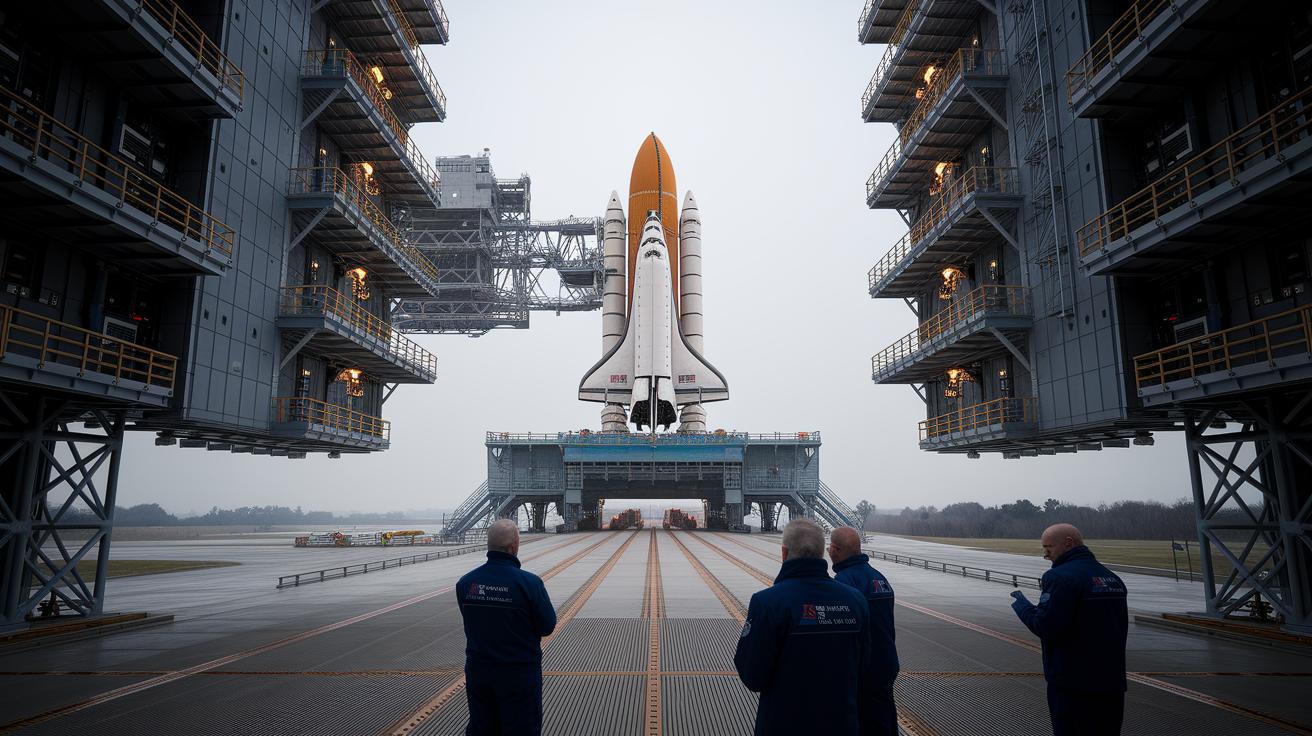
Even a tiny component, when inadequately tested, can spark a catastrophic failure that changes space exploration forever. The Rogers Commission was set up on February 3, 1986, to find out what went wrong with the Space Shuttle Challenger. The team poured over flight details, launch steps, and internal messages to unravel the mystery. By June 6, 1986, they handed over a detailed report that laid out the full story of the tragedy.
The investigation revealed that a faulty O-ring was a key issue. These O-rings were meant to seal high-pressure gases, but on that cold launch day, they turned brittle and failed to do their job. The report pointed out that not enough cold-weather testing was done, which let this dangerous flaw slip by. It also noted that management brushed aside engineers' warnings, showing a clear breakdown in safety checks.
The report made 24 recommendations, including a complete redesign of the solid rocket booster joints and better communication between engineering teams and leaders. It stressed that safety steps must be followed diligently at every stage of a mission. This deep dive into the failure continues to serve as a powerful reminder for everyone involved in space exploration.
NASA Reforms and Safety Protocol Overhaul Post-Challenger Explosion
After that awful tragedy, NASA truly learned its lesson. They stopped all shuttle flights for 32 months so they could fix problems and rebuild trust. Engineers even redesigned the booster joints by adding an extra O-ring along with heaters to stop the parts from getting too stiff in the cold. They set strict rules about temperature, promising, "No launch unless the temperature is safe." It was a clear sign that nothing would be the same again.
NASA also set up a new team called the Office of Safety, Reliability, and Quality Assurance. This team kept a close eye on every technical decision to make sure nothing was missed before a launch. They reworked Flight Readiness Reviews so that independent engineers had to approve every detail, making sure everything was checked over.
| Reform | Change |
|---|---|
| Shuttle Fleet | Grounded for 32 months |
| SRB Joint Design | Added third O-ring and heaters |
| Oversight | Created Office of Safety, Reliability, and Quality Assurance |
| Readiness Review | Mandated independent engineering approval |
These changes marked a major shift in how space missions were managed. They helped create a culture where safety was the top priority, guiding every decision in space exploration.
Cultural Impact and Remembrance Following the Space Shuttle Challenger Tragedy

Losing the Challenger stirred deep feelings all over the country. People observed a national day of mourning, and on January 28, 1986, President Reagan gave a heartfelt memorial address that touched millions as they mourned the brave seven crew members. Across the nation, schools paused their lessons to honor those lost, and communities gathered to share their sorrow and support one another.
Memorials took shape at the Kennedy Space Center and Arlington National Cemetery, where families and friends could come together and remember. Every year, ceremonies honor this heroic crew, ensuring their memory stays alive in our hearts. Christa McAuliffe's legacy lives on through the Teacher in Space program and STEM projects, inspiring young minds to dive into science and exploration.
Reflecting on the Challenger disaster helps us see the true human cost of risks in technology and shows the strength that rises after tragedy. These moments of national grief now serve as powerful reminders of the importance of safety, community, and learning from our past.
Final Words
In the action, we traced the timeline and technical aspects that led to the tragic day when the space shuttle challenger exploded. We explored the mission’s background, the design issues in the O-rings, and the insights from the official investigation.
NASA’s reforms and the lasting cultural impact remind us all of the lessons learned. These clear facts make the story accessible and offer hope for stronger safety measures ahead.
FAQ
What happened during the Space Shuttle Columbia disaster and how many crew members died?
The Columbia disaster refers to the shuttle breaking apart during reentry on February 1, 2003, leading to the loss of all seven crew members. This tragic event spurred major safety reviews in the space program.
Was there a Space Shuttle explosion in 1982?
There is no verified incident of a Space Shuttle explosion in 1982. The major shuttle tragedies recorded are the Challenger explosion in 1986 and the Columbia disaster in 2003.
Is there footage or video of the Space Shuttle Challenger explosion?
The Challenger explosion is documented in historical archives with available footage that captures the moments around liftoff and the disintegration. These recordings serve as a somber reminder of the event.
What happened to the Challenger crew’s remains and their condition?
The Challenger crew’s remains were recovered following strict protocols and handled with respect. The recovery process ensured proper identification and memorialization according to NASA procedures.
Did the Challenger crew’s families receive settlements?
Following the disaster, the families of the Challenger crew were provided with financial settlements and support through legal and government channels as part of efforts to address the tragedy.
What were the last words spoken by the Challenger crew?
Official records do not clearly document a set of final words from the Challenger crew. Communication was minimal as events rapidly unfolded, and details of their final moments remain respectfully limited.