
Ever wondered how a big donation can change emergency care? Penn Emergency Medicine’s Clifton Center for Medical Breakthroughs is mixing high-tech tools like AI (computer programs that learn) and telemedicine (virtual doctor visits) with in-person care. A generous $120 million gift helps them do fast check-ups and try new treatments. In this post, we’ll show you how modern tools and skilled teams are coming together to reshape emergency medicine.
Overview of Penn Emergency Medicine at the Clifton Center for Medical Breakthroughs
Penn Medicine has rebranded its Pavilion as the Clifton Center for Medical Breakthroughs after receiving a life-changing $120 million gift from Catherine and Anthony Clifton. This generous donation shows just how committed Penn is to leading the way in emergency medicine. It not only fuels top-notch research but also shifts the center’s focus towards new, innovative emergency care.
At this new center, patients will enjoy improvements powered by modern technology. Imagine AI-powered systems to quickly sort patients, telemedicine options for remote emergency advice, and even portable robots that can help with diagnosis. These tools are designed to make emergency assessments faster and treatments more responsive.
Moreover, the center is breaking new ground in treatments. Researchers are exploring personalized gene-editing methods for trauma patients (using special tweaks in a person’s genes to help heal injuries better) and are testing smart, data-led plans to fight sepsis quickly. Their clear goal is to speed up research in urgent care, mix digital health tools into everyday emergency services, and train future emergency doctors with hands-on programs. With its mix of state-of-the-art technology and a team-based approach, the Clifton Center is ready to transform how emergency medicine meets complex health needs while improving overall care.
History and Naming of the Clifton Center for Medical Breakthroughs
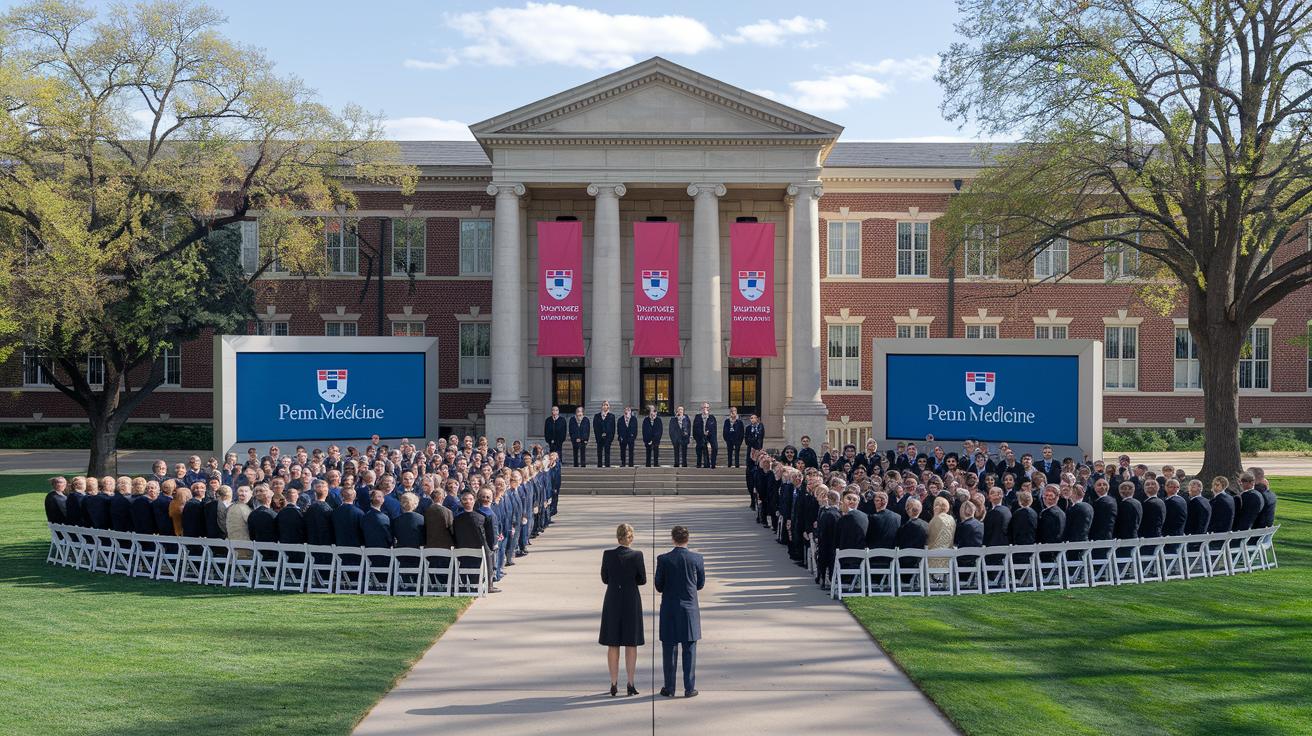
In 2024, campus leaders, donors, and community members came together to rename a familiar pavilion. It was a day that mixed modern technology with the rich history of the campus, marking a fresh step for Penn Medicine in both research and patient care.
A few highlights of the day include:
- Catherine and Anthony Clifton’s generous $120 million gift
- A heartfelt dedication in 2024 featuring campus leaders and the local community
- A milestone event that links Penn Medicine’s storied past with its vision for future clinical breakthroughs
This renaming wasn’t just about celebrating a big gift, it set the stage for groundbreaking medical research and emergency care. By blending a deep historical legacy with today’s state-of-the-art clinical work, the event captured the natural evolution of Penn Medicine. As the center moves forward, it will keep honoring its celebrated traditions while driving bold new advancements, staying true to its role as a vital part of both the academic community and the city of Philadelphia.
Research Initiatives and Breakthrough Treatments in Penn Emergency Medicine at Clifton
At the Clifton Center, Penn researchers are trying out new ideas that could change how we handle emergencies. They mix cool technology with practical medical know-how from Penn’s list of 20 breakthrough projects. This blend of high-tech tools and hands-on care is making emergency treatment smarter and quicker.
One exciting project uses personalized gene editing (a way to tailor treatments by changing genes) and tiny robotics (little machines that work in tough situations) to improve care in emergencies. A study led by Wharton even found that switching to electronic medical records in Malawi cut HIV patient deaths by 28%. This shows that smart use of data can really save lives.
The center also works closely with Pennovation’s Polyhedral Structures Laboratory. There, experts in design, engineering, and computer science team up to create new materials and solutions that help in urgent care. This teamwork ensures that every second counts when helping patients.
Here are some of the smart strategies they’re exploring:
- Personalized gene editing for trauma patients
- Tiny robotics for field triage and portable diagnostics
- AI-driven protocols to check patient risk levels quickly
- Telemedicine for remote emergency consultations
- Data-driven plans to cut down treatment delays
All these projects show how committed the team is to changing emergency medicine. By using cutting-edge research with real-world tools, they’re making care faster and more precise. This work not only improves treatments now but also trains new clinicians to think quickly when it counts.
The Clifton Center is where smart technology meets caring hands. Their new ideas promise to bring faster, safer, and more compassionate care to everyone in need during emergencies.
Collaborative and Interdisciplinary Efforts in Penn Emergency Medicine at Clifton
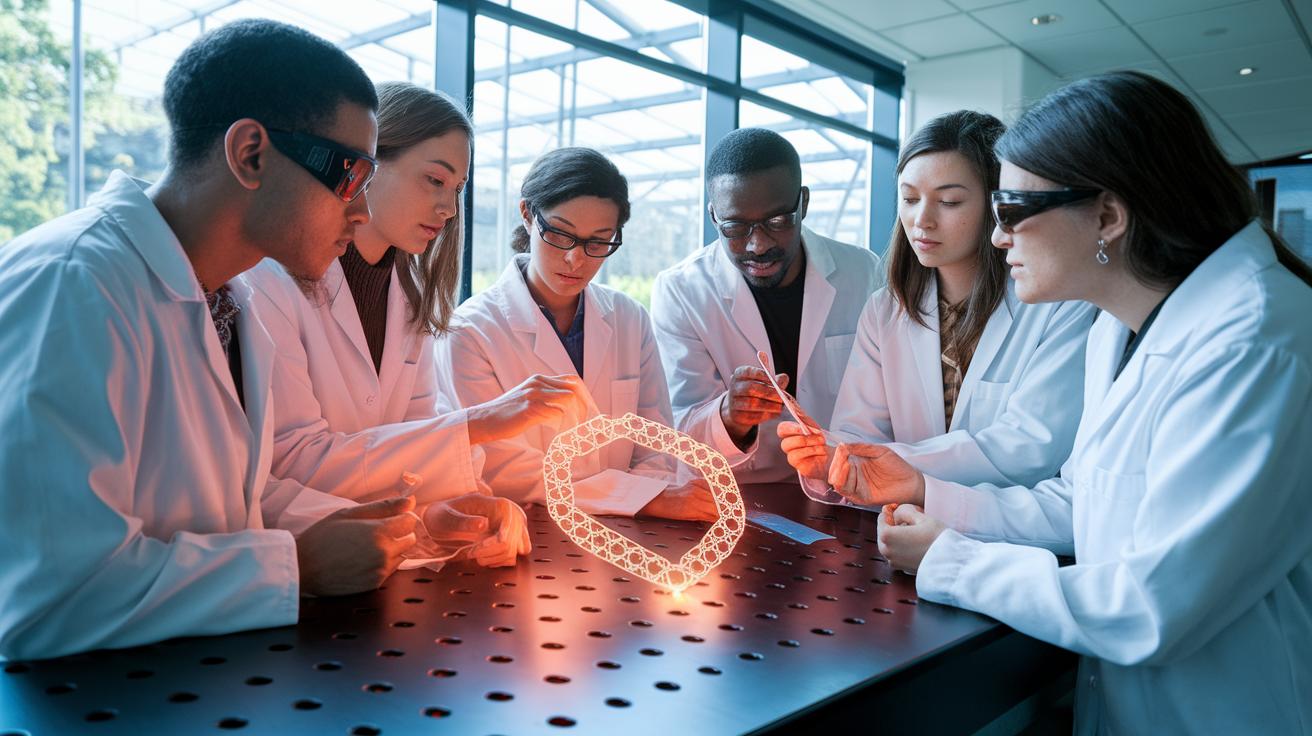
At Clifton Center, teams come together to test new medical devices and update emergency procedures. Experts at Pennovation’s Polyhedral Structures Lab blend design, hands-on engineering (the creative side of science), and computer science to turn fresh ideas into real tools. For example, they worked on a device that tracks patient vital signs in real time, imagine checking your watch to see your heart rhythm. This teamwork helps move lab discoveries quickly into emergency care.
Joint projects with Wharton and other departments also focus on improving how projects are managed and treatments are given. Researchers mix ideas from technology, business, and medicine to make decisions faster and refine emergency steps. In the end, patients enjoy better monitoring and quicker treatments, placing the center at the forefront of life-saving care.
Access and Patient Services at Penn Emergency Medicine Clifton Center
The Clifton Center sits at 1 Convention Avenue, just beside 3400 Spruce Street in Philadelphia. You'll find wayfinding kiosks and campus maps that help you move easily through the Penn Medicine Pavilion. Plus, the emergency department is ready for you 24 hours a day, so urgent care is always a quick stop away.
If you're visiting, there are several parking options at the Hospital of the University of Pennsylvania. Daily rates are clearly posted to help you plan your budget. Whether you're driving, taking a taxi, or using a rideshare, on-site parking makes your trip smooth and stress-free. Detailed campus maps also point you to key spots like emergency access points, registration desks, and waiting areas. All of this shows the center's real commitment to making every visit simple and comfortable, welcoming everyone like a true Philadelphia medical hub.
Contact, Career, and Education Opportunities at the Clifton Center for Medical Breakthroughs
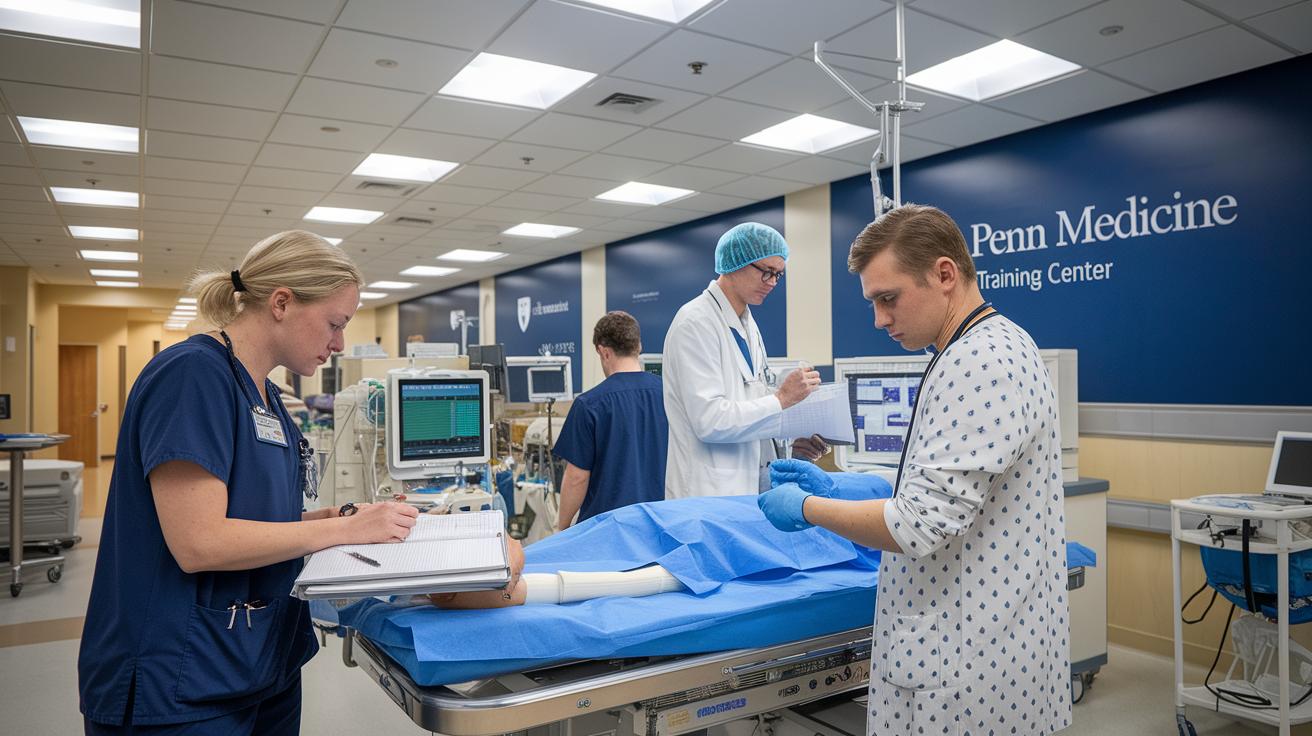
The Clifton Center offers emergency medicine residencies and fellowships through Penn’s Department of Emergency Medicine. They provide real-world, hands-on training that mixes advanced clinical skills with everyday practice. Newcomers can dive into emergency care through solid training programs, and experienced professionals can check the Penn Medicine careers portal for openings like clinical researcher and support staff roles.
The center also holds quarterly seminars and workshops that share the latest updates in emergency treatment protocols. Think of a seminar as a spark that lights up new ideas in patient care. These activities create a lively space where hands-on practice meets fresh innovation.
For more details or to see current job listings, contact the center directly or visit the Penn Medicine careers portal.
Recent News and Future Directions in Penn Emergency Medicine at Clifton
In 2024, the Penn Medicine Pavilion changed its name to the Clifton Center for Medical Breakthroughs. This shift shows a fresh way of thinking about emergency care, one that mixes cutting-edge technology and research with patient services to help care feel more responsive and based on real data.
Looking ahead to 2025, the center has some exciting plans. They’re set to boost their AI diagnostics (systems that quickly check patient data using computer tricks), add tele-emergency services for people in remote areas, and improve trauma care so treatments arrive right when needed. They’re even planning to create shared lab spaces where experts from different fields can work together and bring in top clinical scientists who can turn research into real-world help. All these changes mean that emergency treatment will be faster and smarter, so patients in Philadelphia and beyond can enjoy quicker, more effective care.
Final Words
In the action, this article captured how the renamed center impresses with cutting-edge solutions like AI triage, telemedicine enhancements, and portable diagnostics alongside breakthrough treatments for trauma. It also highlighted a rich mix of research projects and strong partnerships that shape acute care studies.
The penn emergency medicine clifton center for medical breakthroughs shows us a forward-thinking approach that blends clinical innovation and patient support. It's inspiring to see science boost everyday life, leaving us excited about what comes next.
FAQ
Q: What is the Clifton Center for Medical Breakthroughs at Penn Medicine in Philadelphia?
A: The Clifton Center for Medical Breakthroughs is Penn’s renamed emergency facility that focuses on innovative treatments and research breakthroughs, made possible by a $120 million donation from the Clifton family.
Q: What does the Penn Medicine Pavilion map show?
A: The Penn Medicine Pavilion map helps visitors navigate key areas of the facility, from emergency departments to parking, ensuring smooth access to medical services.
Q: What is located at 1 Convention Avenue, Philadelphia, PA 19104?
A: The address at 1 Convention Avenue houses the Clifton Center for Medical Breakthroughs, where advanced emergency services and innovative medical research are conducted.
Q: How do I contact the Penn Presbyterian emergency room?
A: The Penn Presbyterian emergency room phone number is available on the official Penn Medicine directory, offering key contact details for urgent care needs.
Q: What are the Penn Pavilion cafeteria hours?
A: The Penn Pavilion cafeteria operates on a schedule designed for patients, visitors, and staff. For the most up-to-date hours, please refer to the Penn Medicine website.
Q: What factors have led to doctors leaving Penn Medicine?
A: Reasons behind doctors leaving Penn Medicine center on institutional challenges and staff dynamics. Detailed accounts from studies and professionals shed light on these complex factors.
Q: Who are Katherine and Anthony Clifton?
A: Katherine and Anthony Clifton are the benefactors behind a $120 million donation that resulted in renaming Penn Medicine’s facility as the Clifton Center for Medical Breakthroughs, supporting major clinical innovations.
Q: What is the new building at Penn Medicine?
A: The new building, now known as the Clifton Center for Medical Breakthroughs, embodies state-of-the-art emergency care technologies and advanced research initiatives at Penn Medicine.
Q: Who is Anthony Clifton?
A: Anthony Clifton, together with Katherine Clifton, provided a significant donation to Penn Medicine that led to the facility’s renaming, marking a milestone in emergency medicine advancements.